Lesionectomy is often recommended when medication alone cannot control seizures and imaging has pinpointed a clear source in the brain. It’s a precise, proven approach that can greatly reduce seizure frequency and help patients regain independence and confidence.
epilepsy
Lesionectomy
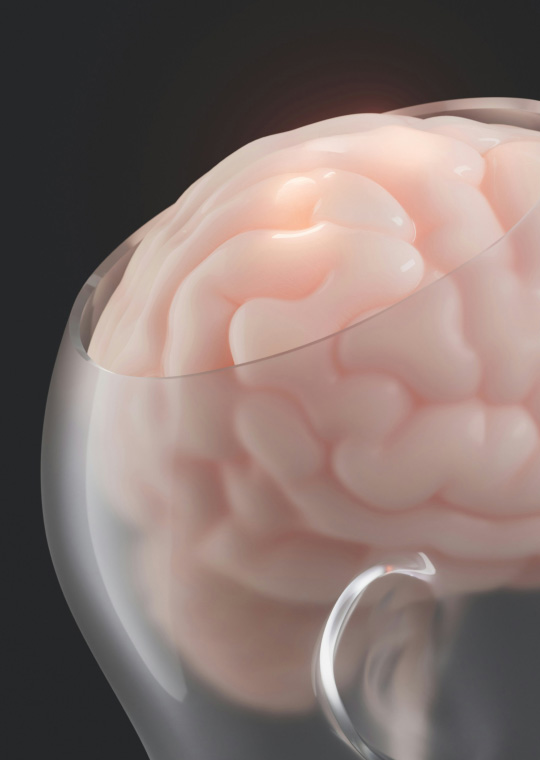
During the procedure, surgeons remove the lesion — a small area of damaged or abnormal brain tissue — that is responsible for triggering seizures or other neurological symptoms. Advanced imaging and monitoring techniques help ensure only the affected area is removed, preserving healthy brain tissue.
At a Glance
Expected Results
Significant reduction or complete control of seizures; improvement in quality of life and daily functioning.
Procedure Time
Typically 3–6 hours, depending on the size and location of the lesion.
Anaesthetic
Performed under general anaesthesia.
Hospital Stay
Usually 3–7 days for monitoring and recovery.
Recovery Time
Most patients need 4–8 weeks for full recovery, with gradual return to normal activities.
Return to Work/School
Usually within 6–8 weeks, depending on recovery progress and type of work.
Follow-up
Regular neurological assessments and imaging to monitor progress and seizure control.
Frequency
One-time procedure; rarely needs repetition if seizures are well controlled.
Risks
As with any brain surgery, there is a small risk of infection, bleeding, or temporary neurological changes, though these are carefully managed.
The Procedure
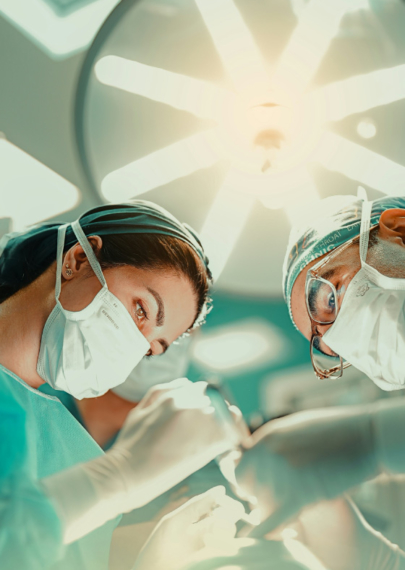
A lesionectomy is a highly precise form of brain surgery designed to remove a specific area of abnormal tissue that causes seizures or other neurological symptoms.
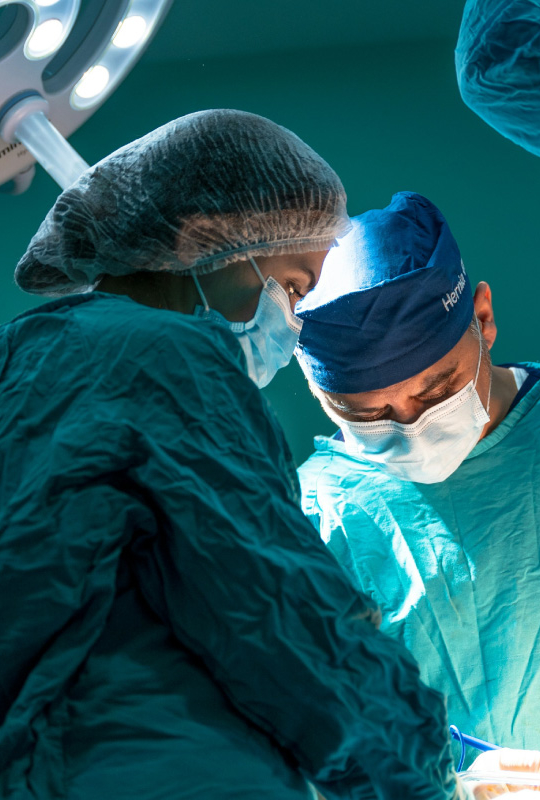
Before surgery, detailed imaging such as MRI and EEG monitoring is used to accurately identify the lesion’s location and its role in seizure activity. During the operation, the surgeon makes a small opening in the skull to access the affected area. Using advanced microsurgical techniques, the lesion is carefully removed while preserving the surrounding healthy brain tissue.
Throughout the procedure, specialised monitoring ensures critical brain functions—such as movement, speech, and memory—remain protected. Once the lesion is removed, the area is closed and the bone flap is replaced securely.
Patients are then closely monitored in the recovery unit, where most regain alertness within hours. The overall goal is to achieve lasting seizure control while maintaining normal neurological function and quality of life.
Benefits
Seizure Control
Many patients experience a major reduction—or complete stop—in seizures, especially when the lesion is clearly defined and accessible.
Improved Quality of Life
Reduced seizure frequency often allows greater independence, improved concentration, and the ability to resume normal daily activities.
Preservation of Brain Function
Advanced imaging and surgical monitoring help protect vital brain areas, minimising the risk of functional loss.
Reduced Medication Dependence
Successful surgery can allow patients to lower or even discontinue anti-seizure medications over time, under medical supervision.
Long-Term Results
Lesionectomy is typically a one-time procedure that can provide lasting seizure control and improved neurological stability.
Meet The Clinical Team
Behind every successful outcome is a dedicated team. Meet the clinical team whose expertise and compassion make LCU world-renowned.
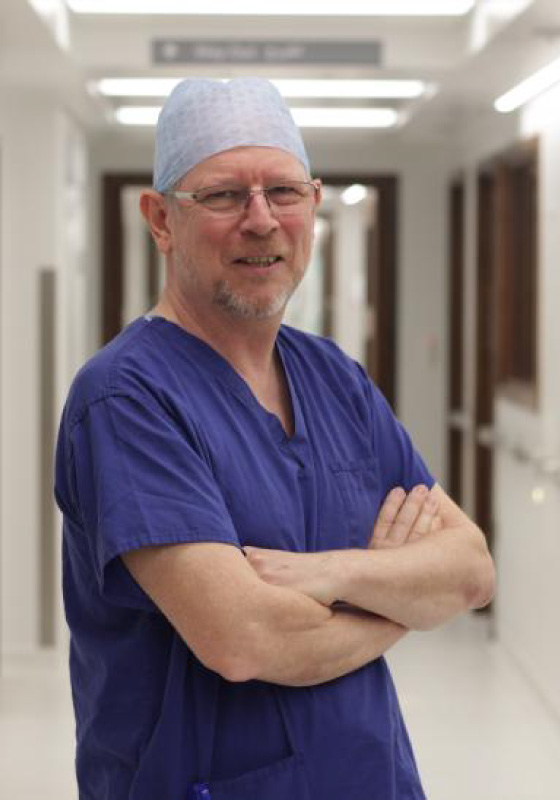
Plastic & Craniofacial Surgeon
Professor David Dunaway
Bringing decades of experience in complex Craniofacial and reconstructive surgery.

Consultant Paediatric Neurosurgeon
Professor Owase Jeelani
Professor Owase Jeelani is a Consultant Paediatric Neurosurgeon and has worked at Great Ormand Street Hospital for Children (GOSH) part...