LCU - Syndromic Craniosynostosis

craniofacial

Syndromic Craniosynostosis

LCU - Syndromic Craniosynostosis

What is Syndromic Craniosynostosis?

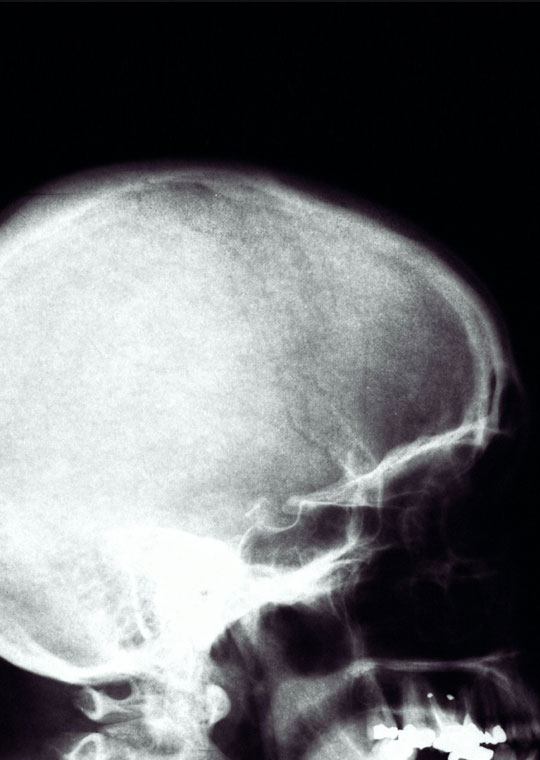
Syndromic craniosynostosis is a form of craniosynostosis that occurs as part of a genetic syndrome, involving the premature fusion of one or more cranial sutures along with other physical and developmental anomalies. Unlike nonsyndromic craniosynostosis, which occurs in isolation, syndromic cases are associated with broader syndromes such as Apert syndrome, Crouzon syndrome, Pfeiffer syndrome, and Saethre-Chotzen syndrome. These conditions typically involve distinctive facial features, limb abnormalities, and potential neurological complications. Syndromic craniosynostosis often requires a multidisciplinary approach due to its complexity.
The Procedure

How is it Diagnosed?

Diagnosis begins with clinical observation of abnormal skull shape and facial features. Because the condition is part of a syndrome, children may also present with other signs such as syndactyly (fused fingers or toes), hearing loss, or developmental delays. A detailed medical history and physical examination are followed by imaging studies such as CT scans to assess which sutures are involved and the extent of cranial deformity.

Genetic testing plays a crucial role in confirming the diagnosis and identifying the specific syndrome. Early diagnosis enables appropriate planning for medical and surgical management and genetic counselling for families.

What Are the Causes?

Syndromic craniosynostosis is caused by mutations in specific genes that affect bone development and cranial suture fusion. Common gene mutations include:

  • FGFR1, FGFR2, and FGFR3 (Fibroblast Growth Factor Receptors) – frequently involved in Apert, Crouzon, and Pfeiffer syndromes
  • TWIST1 – associated with Saethre-Chotzen syndrome

These genetic mutations can be inherited or occur spontaneously (de novo). Inheritance patterns vary, with many syndromes being autosomal dominant, meaning only one copy of the mutated gene is sufficient to cause the disorder.

What Are the Implications?

Syndromic craniosynostosis can lead to multiple functional and cosmetic challenges. Premature suture fusion can restrict skull and brain growth, potentially resulting in increased intracranial pressure (ICP), which may cause headaches, vision problems, or developmental delays. Abnormal head shapes and facial asymmetry can affect feeding, breathing, speech, and vision.

Psychosocial impacts, such as reduced self-esteem or social difficulties, may arise due to noticeable facial differences. Because of the systemic nature of these syndromes, children may also face hearing loss, dental problems, sleep apnoea, and limb deformities.

What Are the Treatment Options?

Management of syndromic craniosynostosis is complex and typically involves a team of specialists, including craniofacial surgeons, neurologists, geneticists, ENT specialists, and psychologists.

Surgical intervention is usually necessary to correct skull shape, relieve intracranial pressure, and address facial anomalies. Common procedures include:

  • Cranial vault remodeling to reshape the skull and allow brain growth
  • Fronto-orbital advancement to correct forehead and eye socket deformities
  • Midface advancement for severe facial hypoplasia

Surgeries are typically staged throughout childhood, depending on severity and developmental milestones.

What Are the Possible Complications?

Due to the complexity of the condition and required interventions, complications can include:

  • Surgical risks such as infection, bleeding, and need for revision
  • Recurrence of suture fusion or deformity
  • Persistent increased intracranial pressure
  • Developmental delays despite intervention
  • Airway and vision problems

Lifelong monitoring and supportive therapies are often required to address evolving needs. With comprehensive care, many children with syndromic craniosynostosis lead fulfilling lives, although challenges may persist into adulthood.

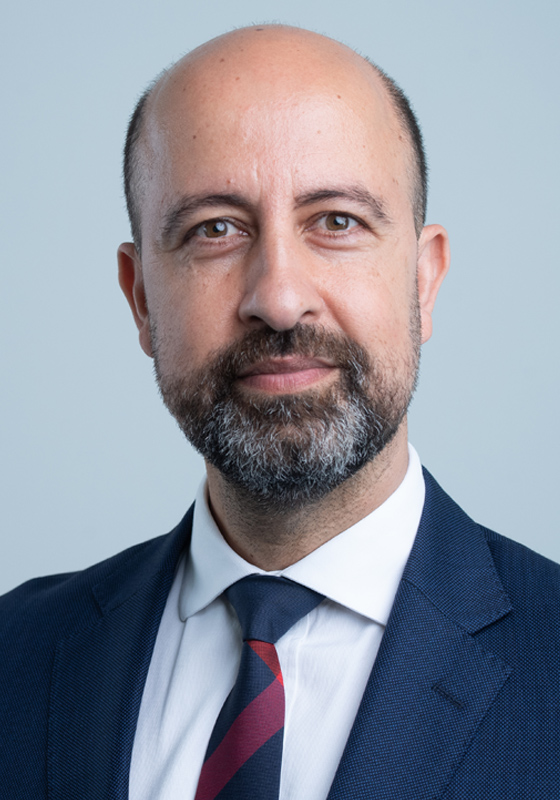
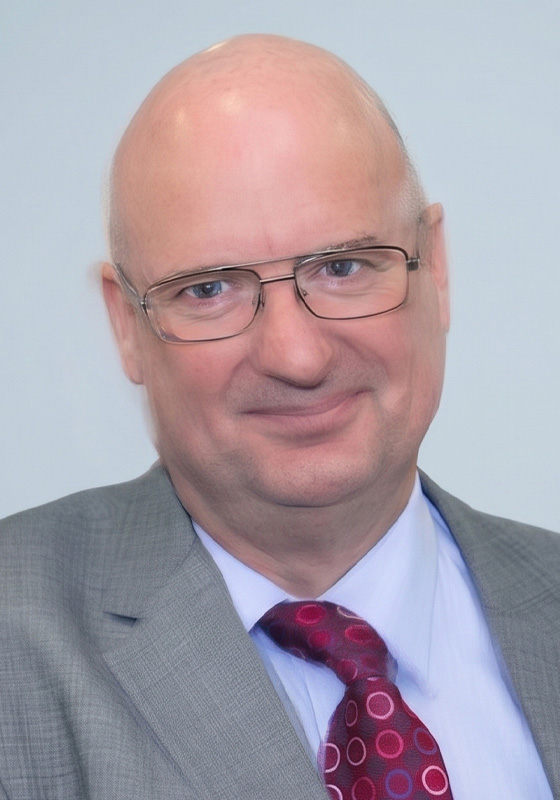
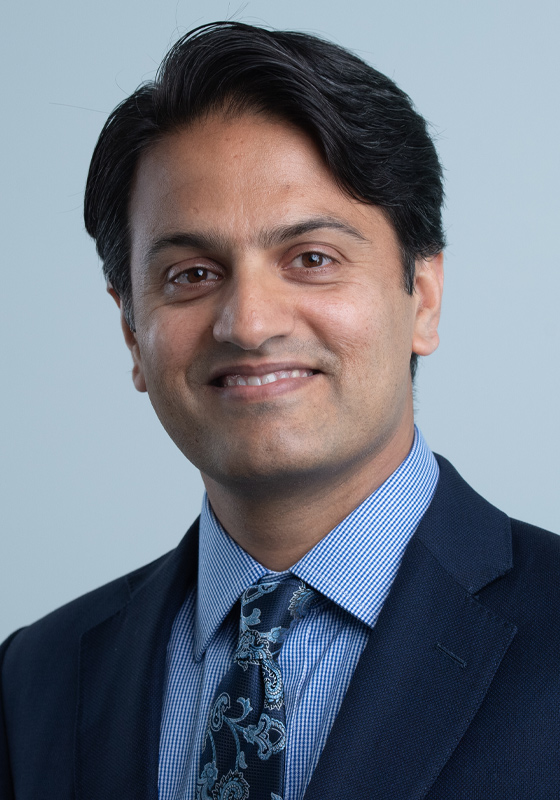
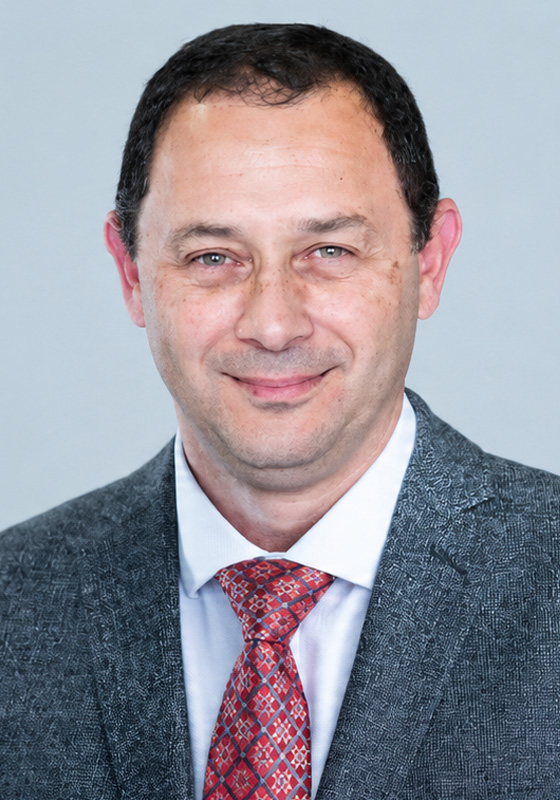
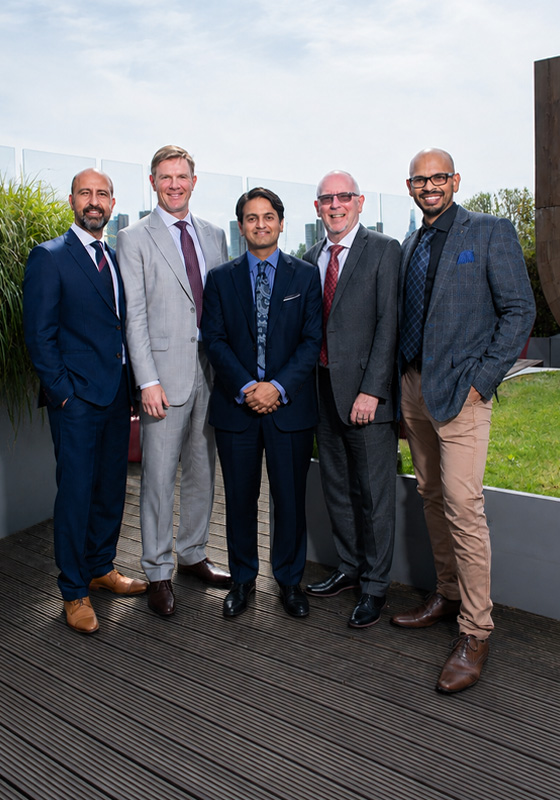
Meet the Surgeons - London Craniofacial Unit

Meet The Clinical Team

Behind every successful outcome is a dedicated team. Meet the clinical team whose expertise and compassion make LCU world-renowned.

Testimonials

We’re proud to have helped patients from across the UK and around the world. Their stories inspire the work we do every day.

Our Locations

Wherever you meet us, you’ll receive the same world-class expertise and compassionate care. Our surgeons work across some of London’s most respected hospitals and private clinics.

Our Locations - London Craniofacial Unit
Great Ormond Street Hospital - London Craniofacial UnitGreat Ormond Street Hospital - London Craniofacial Unit

Great Ormond Street Hospital (GOSH)

Professor David Dunaway and Owase Jeelani lead the world-renowned Craniofacial and Neurosurgery units at GOSH.
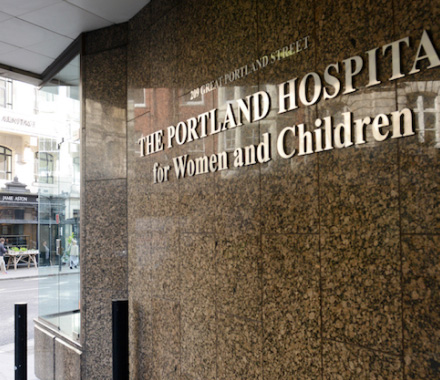
The Portland Hospital - London Craniofacial UnitThe Portland Hospital - London Craniofacial Unit

The Portland Hospital

The Portland is the UK’s largest private children’s hospital with a dedicated paediatric intensive care unit.
LCU - 84 Harley StreetLCU - 84 Harley Street

84 Harley Street

LCU take full advantage of this location to consult with patients in a relaxed environment.
LCU - 152 Harley StreetLCU - 152 Harley Street

152 Harley Street

Specialist consultations and advanced diagnostics in London’s leading medical district.
LCU - Weymouth Street HospitalLCU - Weymouth Street Hospital

Weymouth Street Hospital

LCU procedures are carried out at Weymouth Street Hospital’s advanced, patient-centred facilities.
LCU - The London ClinicLCU - The London Clinic

The London Clinic

The London Clinic is one of the UK’s leading private hospitals, located in central London near Harley Street.
LCU - The Wellington HospitalLCU - The Wellington Hospital

The Wellington Hospital

LCU performs their general anaesthesia adult plastic & reconstructive procedures here.

Download our brochure for more information

The home of LCU — a world-leading centre for complex Craniofacial and Reconstructive Surgery.