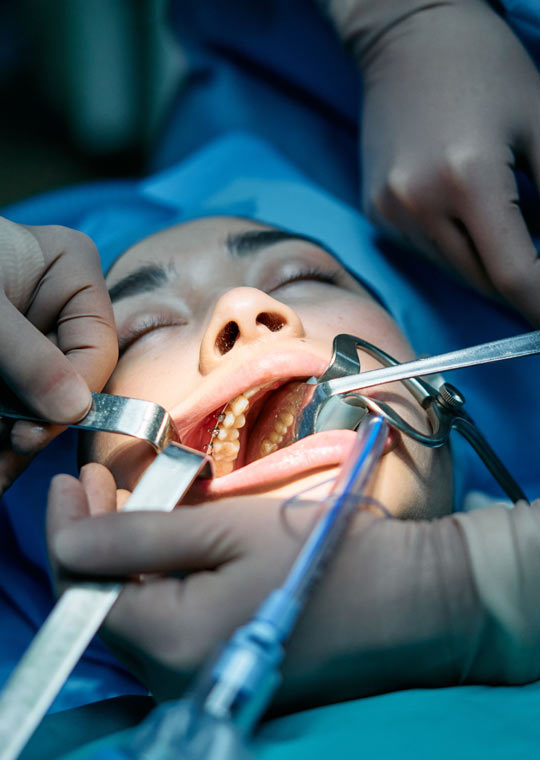
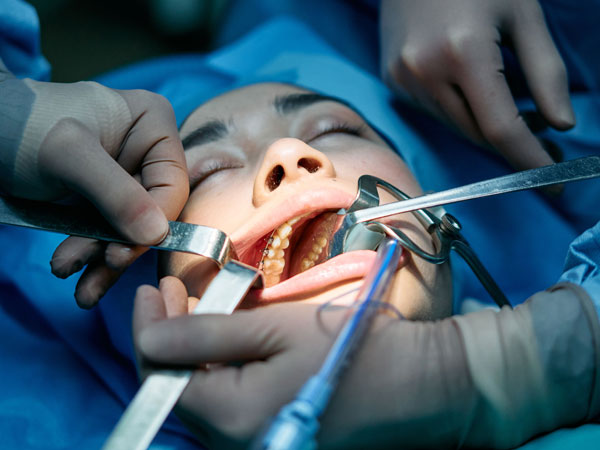
Oral surgery is a branch of dentistry involving surgical procedures on the teeth, mouth, and jaws.
maxillofacial
Oral Surgey
The Procedure
Impacted teeth
Impacted wisdom teeth are third molars that are unable to erupt fully due to lack of space, a physical obstruction, or an abnormal angle, leading to potential issues like pain, swelling, decay, and damage to adjacent teeth. Problems with impacted wisdom teeth are very common and it has been suggested that 70% of the population have impacted wisdom teeth.
Symptoms can include jaw swelling, pain, or difficulty opening your mouth, and treatment typically involves professional removal. This is a surgical procedure which can either with local anaesthesia or in hospital under general anaesthesia as a day case. Careful preoperative assessment of the impacted wisdom is required as there a variable relationship of the nerve that is responsible for the sensation in the lower lip and chin to the roots of the impacted wisdom tooth. This nerve can be at risk. A 3D scan may be required to determine the relationship of the roots to nerve. If the risk is thought to be high a coronectomy may advised. This is where the crown of the impacted is removed leaving the roots behind.
Other teeth can also be impacted and require removal particularly if orthodontic treatment is being carried out. The second most commonly is the upper canines and usually surgical management is requested by the orthodontist. Retained tooth roots may also require surgical removal.
Cyst of the Jaw
These are usually odontogenic. Odontogenic cysts are benign, closed sacs that form in the jawbone from the tissues involved in tooth development.
Dentigerous cyst
Is a fluid-filled sac that forms around the crown of an unerupted permanent tooth, most commonly the mandibular third molar (wisdom tooth). These benign, slow-growing cysts are often discovered during routine dental x-rays and can cause swelling or tooth displacement if they become large enough. Treatment is surgical, with the cyst and impacted tooth typically removed, but larger cysts may require different procedures to avoid jaw fracture. Recurrence rates are extremely low.
Keratocystic odontogenic cysts (KCOTs)
Formerly odontogenic keratocysts (OKCs), are benign but aggressive developmental cysts in the jaw that have a high recurrence rate. They are thought to originate from dental lamina remnants and often occur in the posterior mandible, but can also develop elsewhere. Due to their aggressive local behavior and tendency to recur, treatment often involves more than just surgical removal and may include adjunctive therapies like chemical treatment, peripheral bone removal, or monitoring.
Ameloblastoma
is a rare group of benign tumours that develops from tooth-forming cells and most often appears in the jawbone, particularly the lower jaw. While typically slow-growing and noncancerous, it can be locally aggressive, causing pain, swelling, and bone destruction, and has a high rate of recurrence. Treatment will depend on the type of ameloblastoma but usually involves aggressive surgical removal, with long-term follow-up being crucial.
Benign oral lesions
fibromas, mucoceles, canker sores, and warts. These lesions are not life-threatening and do not spread to other parts of the body, but they may require medical treatment depending on the type and cause. They are be related to deficiencies in the blood requiring blood tests and common treatments include surgical removal to confirm the diagnosis, cryotherapy, or topical medications.
Common benign oral lesions
Fibroma
A smooth, firm, pink lump, often caused by irritation, that can be removed surgically.
Mucocele
A bluish, swollen sac caused by a blocked or damaged salivary gland that may periodically rupture.
Aphthous ulcers
Painful, yellowish-white sores with a red border that usually heal on their own within two weeks.
Papillomas (Warts)
Growths caused by HPV that may go away on their own or be treated with medication or surgery.
Leukoplakia
A white patch on the oral mucosa that does not wipe off. It requires monitoring as it can, in rare cases, be precancerous.
Lichen Planus
A chronic inflammatory condition that can appear as white, lacy patches or red, swollen patches on the oral mucosa.
Herpes labialis
Blisters caused by the herpes simplex virus that appear on the lips and around the mouth.
Amalgam Tattoos
Dark spots that occur when amalgam particles from fillings become embedded in the gum or other oral tissue.
Procedure Videos
LCU have produced informative content to give patients a greater understanding of their procedure.
Wisdom Teeth
Mr Tim Lloyd, Consultant Oral & Maxillofacial Surgeon at LCU, discusses Wisdom Teeth.
Meet The Clinical Team
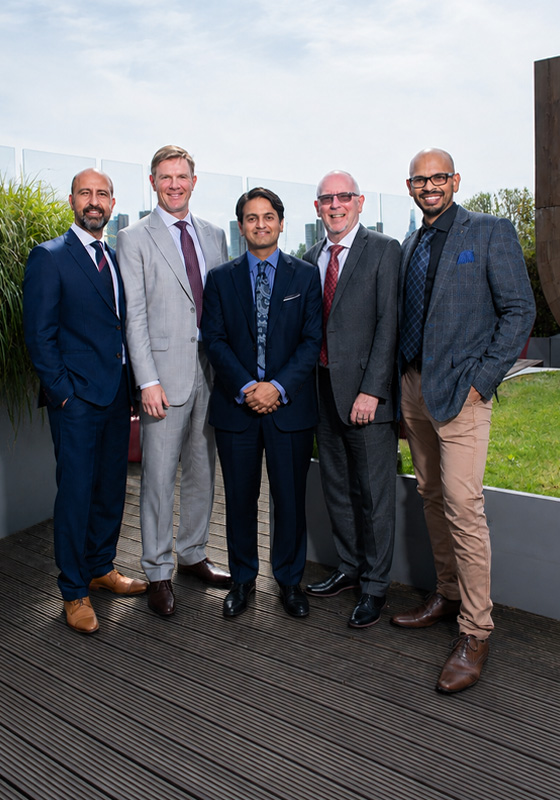
Behind every successful outcome is a dedicated team. Meet the clinical team whose expertise and compassion make LCU world-renowned.

Plastic & Craniofacial Surgeon
Professor David Dunaway
Bringing decades of experience in complex Craniofacial and reconstructive surgery.
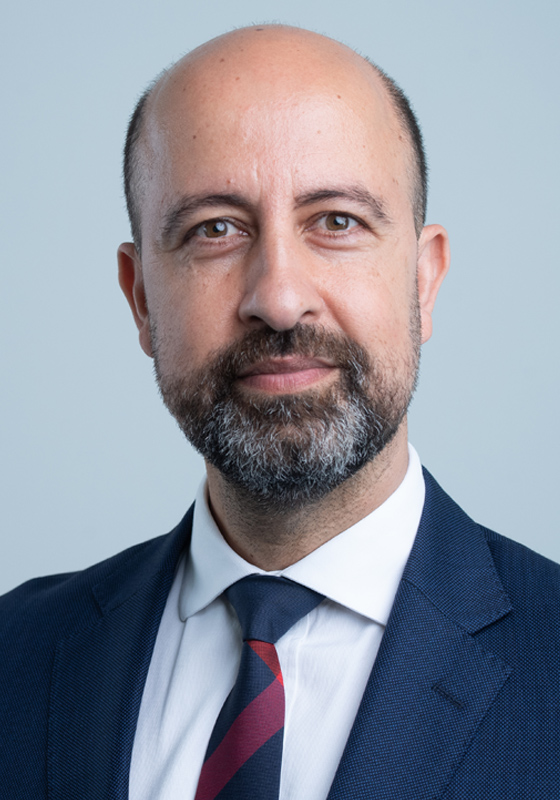
Consultant Paediatric Neurosurgeon
Professor Owase Jeelani
Professor Owase Jeelani is a Consultant Paediatric Neurosurgeon and has worked at Great Ormand Street Hospital for Children (GOSH) part...
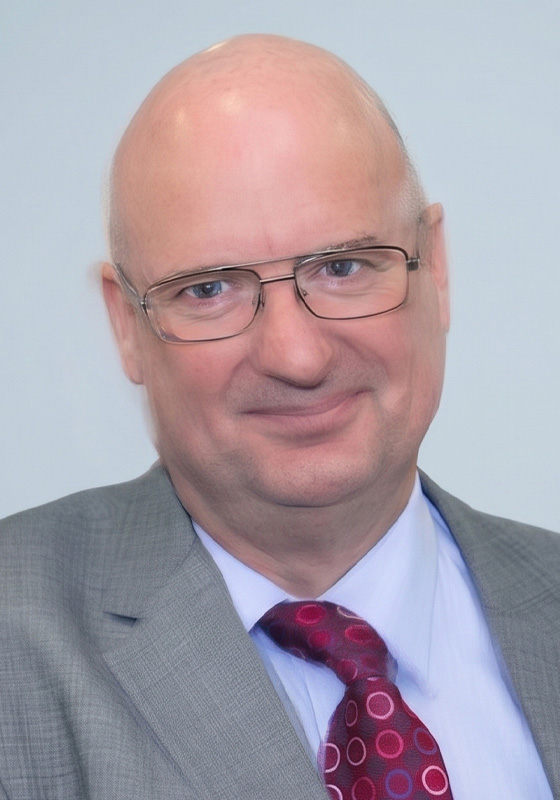
Senior Consultant
Mr Tim Lloyd
Mr Lloyd is the Senior Consultant Craniofacial, Oral and Maxillofacial surgeon at the Eastman Dental Hospital and was appointed at...
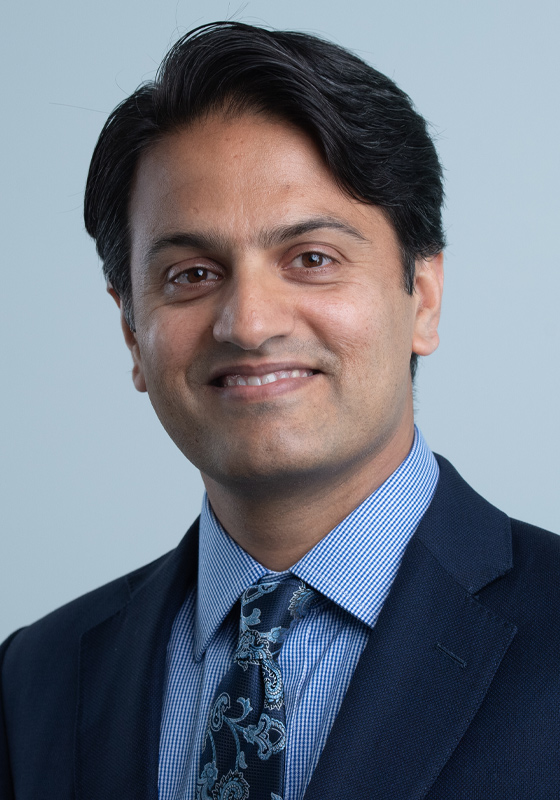
Consultant Paediatric Neurosurgeon
Mr Zubair Tahir
Mr Zubair Tahir is an experienced Consultant Paediatric Neurosurgeon, who is passionate about delivering the highest quality care to all...
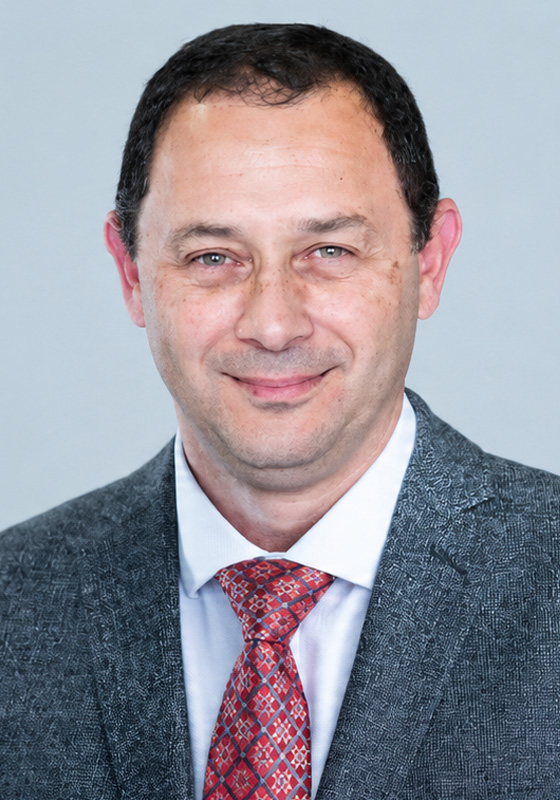
Surgical Lead in Neuro-Oncology
Mr Kristian Aquilina
Mr Kristian Aquilina is the surgical lead for the neuro-oncology department at Great Ormond Street Hospital for Children since 2012....
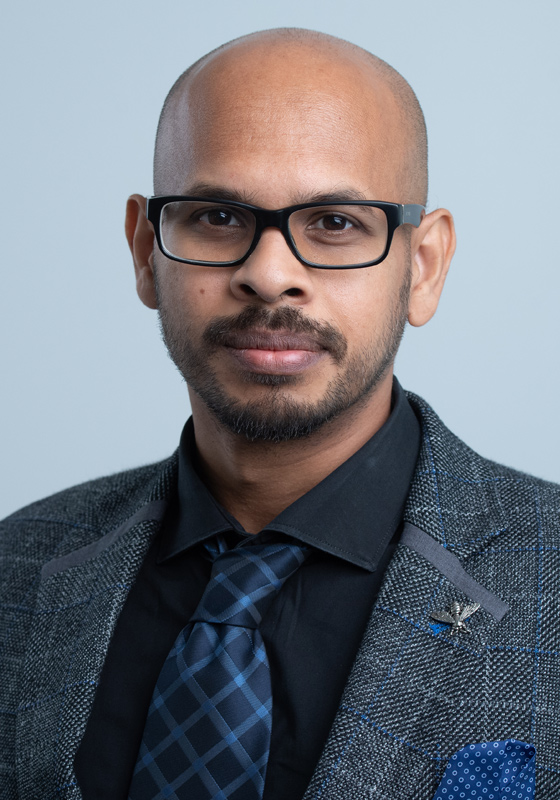
Consultant Paediatric Neurosurgeon
Mr Dulanka Silva
Mr Dulanka Silva is a Consultant Paediatric Neurosurgeon at Great Ormond Street Hospital for Children. In addition to General Paediatric...
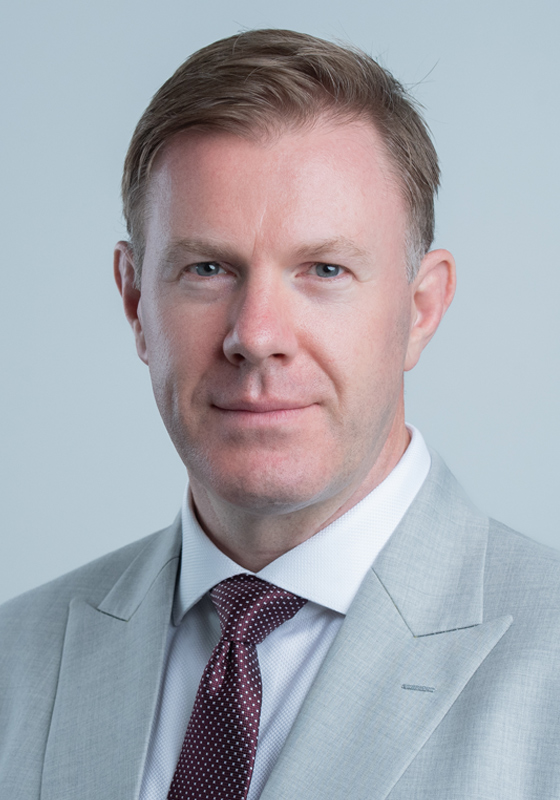
Consultant Plastic, Craniofacial & Aesthetic Surgeon
Mr Graeme Glass
Graeme Glass PhD, FRCS(Plast) MBA is a London trained, internationally respected consultant plastic, craniofacial and aesthetic surgeon.

Consultant Psychiatrist
Dr Justin Shute
Dr Justin Shute is a Consultant Liaison Psychiatrist with over 20 years of experience working within Orthognathic and Craniofacial teams....