LCU - Craniofacial Microsomia

craniofacial

Craniofacial Microsomia

LCU - Craniofacial Microsomia

What is Craniofacial Microsomia?

Craniofacial microsomia (CFM) is a congenital condition characterized by underdevelopment of the structures on one or both sides of the face. It primarily affects the ear, jaw, mouth, and eye, and in some cases, the facial nerves and soft tissues. The severity of CFM varies widely, ranging from mild asymmetry to significant deformities that impact appearance and function. Hemifacial microsomia is a term often used when the condition affects only one side of the face. CFM is the second most common congenital facial condition after cleft lip and palate.


The Procedure

How is it Diagnosed?

CFM is typically diagnosed at birth or shortly thereafter based on visible physical differences. Clinical examination focuses on facial asymmetry, ear abnormalities (such as microtia or anotia), and jaw development. Additional imaging studies such as X-rays, CT scans, or MRI are used to assess bone and soft tissue involvement more precisely. Hearing tests are essential due to the high incidence of conductive hearing loss. In more complex cases, 3D imaging helps guide treatment planning. Genetic and cardiac evaluations may also be performed, as some children with CFM have associated anomalies.

What Are the Causes?

The exact cause of craniofacial microsomia is not fully understood, but it is believed to result from disruptions in blood flow to the first and second branchial arches during early foetal development. These embryonic structures give rise to much of the face and ear. Factors that may contribute to this disruption include:

  • Vascular accidents during early pregnancy
  • Environmental exposures
  • Maternal diabetes
  • Use of certain medications

Most cases are sporadic, meaning they occur by chance, although familial cases have been reported. There is no strong evidence linking CFM to inherited genetic mutations in the majority of patients.

What Are the Implications?

The implications of craniofacial microsomia depend on the severity of the condition and the structures involved. Common issues include:

  • Facial asymmetry
  • Difficulty with eating or breathing due to jaw underdevelopment
  • Hearing loss due to middle or outer ear malformations
  • Speech and language delays
  • Dental and orthodontic problems

Psychosocial challenges can also arise, particularly as children become more aware of their appearance and social interactions increase. Emotional support and early intervention play a critical role in promoting healthy development and self-esteem.

What Are the Treatment Options?

Management of craniofacial microsomia is multidisciplinary and tailored to each individual’s needs. The treatment approach typically includes:

  • Hearing management: Early assessment and use of hearing aids or bone-anchored hearing devices as needed
  • Speech and language therapy: Especially for children with hearing impairment or jaw involvement
  • Orthodontics and dental care: To address malocclusion and dental anomalies
  • Surgical interventions: These may include:
    • Jaw reconstruction (distraction osteogenesis or bone grafting)
    • Ear reconstruction or prosthetic ears
    • Soft tissue augmentation
    • Orthognathic surgery in adolescence for facial balance

Surgical treatment is usually staged over time, with procedures timed to coincide with growth and development milestones. Psychological support and counseling are also integral components of care.

Early diagnosis and coordinated care from a craniofacial team can significantly improve functional outcomes, facial symmetry, and overall quality of life for individuals with craniofacial microsomia.

Meet the Surgeons - London Craniofacial Unit

Meet The Clinical Team

Behind every successful outcome is a dedicated team. Meet the clinical team whose expertise and compassion make LCU world-renowned.

Testimonials

We’re proud to have helped patients from across the UK and around the world. Their stories inspire the work we do every day.

Our Locations

Wherever you meet us, you’ll receive the same world-class expertise and compassionate care. Our surgeons work across some of London’s most respected hospitals and private clinics.

Our Locations - London Craniofacial Unit
Great Ormond Street Hospital - London Craniofacial UnitGreat Ormond Street Hospital - London Craniofacial Unit

Great Ormond Street Hospital (GOSH)

Professor David Dunaway and Owase Jeelani lead the world-renowned Craniofacial and Neurosurgery units at GOSH.
The Portland Hospital - London Craniofacial UnitThe Portland Hospital - London Craniofacial Unit

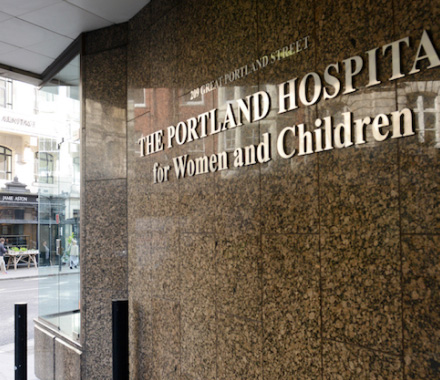
The Portland Hospital

The Portland is the UK’s largest private children’s hospital with a dedicated paediatric intensive care unit.
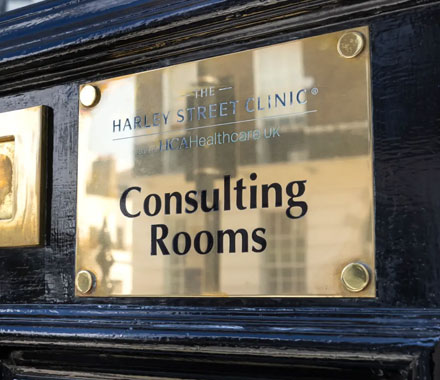
LCU - 84 Harley StreetLCU - 84 Harley Street

84 Harley Street

LCU take full advantage of this location to consult with patients in a relaxed environment.
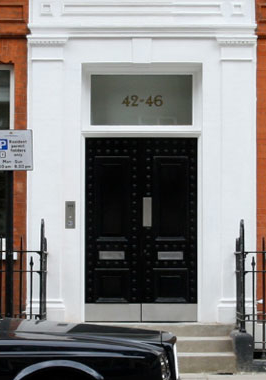
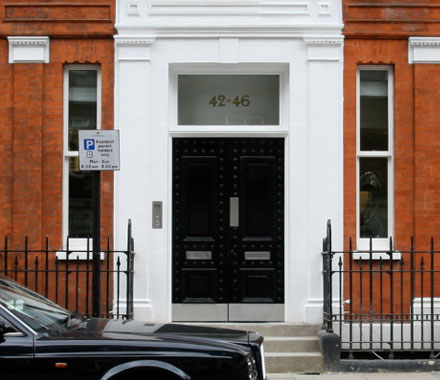
LCU - 152 Harley StreetLCU - 152 Harley Street

152 Harley Street

Specialist consultations and advanced diagnostics in London’s leading medical district.
LCU - Weymouth Street HospitalLCU - Weymouth Street Hospital

Weymouth Street Hospital

LCU procedures are carried out at Weymouth Street Hospital’s advanced, patient-centred facilities.
LCU - The London ClinicLCU - The London Clinic

The London Clinic

The London Clinic is one of the UK’s leading private hospitals, located in central London near Harley Street.
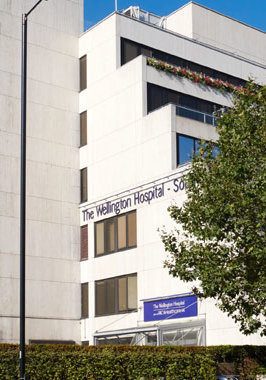
LCU - The Wellington HospitalLCU - The Wellington Hospital

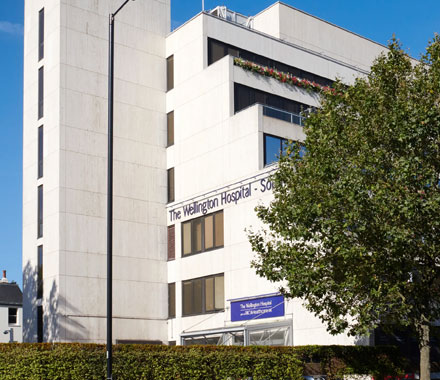
The Wellington Hospital

LCU performs their general anaesthesia adult plastic & reconstructive procedures here.

Download our brochure for more information

The home of LCU — a world-leading centre for complex Craniofacial and Reconstructive Surgery.