Positional plagiocephaly is a common condition that affects the shape of a baby’s head. It causes part of the head to become flattened, usually at the back or more noticeably on one side.
craniofacial
Plagiocephaly in Babies and Children
It is also known as deformational plagiocephaly or, more generally, flat head syndrome.
A baby’s skull is made up of several bony plates that have not yet fully joined together. This flexibility allows the skull and brain to grow rapidly during infancy. It also means that repeated pressure on one part of the head can temporarily alter its shape.
The condition is usually harmless and often improves naturally as a baby grows.
How common is plagiocephaly?
Positional head flattening is very common in babies, particularly during the first few months of life.
Estimates vary, but studies suggest that positional skull flattening may affect around 20–50% of babies at some stage during infancy.
Many cases are mild and improve as babies become more mobile and spend less time resting on the same part of their head.
What does plagiocephaly look like?
The main sign is a change in the shape of your baby’s head. You may notice:
- A flat area at the back of the head
- More flattening on one side than the other
- One side of the forehead appearing slightly more prominent
- One ear appearing slightly further forward
- Mild facial asymmetry in more pronounced cases
Positional plagiocephaly does not put pressure on the brain. It is generally considered a cosmetic head-shape condition rather than a problem with brain growth.
However, not every unusual head shape is positional plagiocephaly. If you are concerned about the shape or growth of your baby’s head, speak to your GP, health visitor or paediatric healthcare professional so that they can assess it properly.
What causes positional plagiocephaly?
Positional plagiocephaly develops when repeated external pressure is placed on one area of a baby’s soft skull.
This can sometimes begin before birth, particularly when space in the womb is limited. Premature babies may also be more susceptible because their skulls are particularly soft.
After birth, flattening can develop when a baby spends a lot of time with their head resting in the same position.
Safe sleep remains essential
Babies should always be placed on their backs for sleep, in line with safe-sleep guidance.
Sleeping on the back substantially reduces the risk of sudden infant death syndrome (SIDS). You should not change your baby’s sleeping position to try to correct a flat head.
Instead, pressure can be reduced safely by varying your baby’s position while they are awake and supervised.
Why does plagiocephaly sometimes affect one side?
Some babies naturally prefer to look in one direction. If their head repeatedly rests on the same side, this can create more pressure on that part of the skull.
In some babies, this preference is related to torticollis, where tight or imbalanced neck muscles make it more difficult to turn the head equally in both directions.
Identifying and treating restricted neck movement can be an important part of managing plagiocephaly.
How is plagiocephaly diagnosed?
Positional plagiocephaly can usually be identified by examining your baby’s head and asking about how the head shape has developed.
A healthcare professional may assess:
- The overall shape and symmetry of the head
- Your baby’s head circumference and growth
- The position of the forehead and ears
- How freely your baby can turn their head
- Whether there are signs of torticollis
- Your baby’s development
Scans are not routinely needed for straightforward positional plagiocephaly.
Occasionally, an unusual head shape can be caused by craniosynostosis, a different and much less common condition in which one or more of the skull sutures fuse too early.
If the diagnosis is uncertain or the head shape has features that are not typical of positional plagiocephaly, your baby may be referred for specialist assessment.
Will my baby’s head shape improve?
For most babies, the outlook is very reassuring.
As babies grow, they naturally begin to move their heads more, sit upright, roll and spend less time lying on the same part of their skull. This reduces pressure on the flattened area.
The skull also continues to grow rapidly, allowing the head shape to become more rounded.
Many babies therefore show considerable improvement during the first 1–2 years of life.
Some asymmetry may remain, particularly when flattening was more pronounced, but significant long-term problems are uncommon.
Treatment for positional plagiocephaly
Many babies with mild plagiocephaly do not require medical treatment. Simple changes to positioning and plenty of supervised movement can encourage natural improvement.
1. Recognise it early
It is helpful to notice changes in head shape early.
If your baby appears to consistently look in one direction, has difficulty turning their head, or you notice increasing flattening, discuss this with your health visitor, GP or another healthcare professional.
2. Encourage supervised tummy time
Tummy time is one of the simplest ways to reduce pressure on the back of your baby’s head.
Place your baby on their tummy for short periods while they are awake and closely supervised.
Tummy time can:
- Reduce time spent resting on the back of the head
- Strengthen the neck, shoulder and upper-body muscles
- Encourage your baby to lift and turn their head
- Support normal motor development
If your baby initially dislikes tummy time, try several short sessions throughout the day and gradually increase the amount as they become more comfortable.
Never place a baby on their tummy to sleep.
3. Vary your baby’s position during the day
Changing how your baby is positioned while awake can reduce repeated pressure on the same area of the skull.
You can try:
- Moving toys or interesting objects to encourage your baby to look towards the non-flattened side
- Alternating the arm you use when carrying and feeding your baby
- Changing which end of the cot you place your baby’s head at, while continuing to place them flat on their back to sleep
- Giving your baby plenty of supervised floor and play time
- Avoiding unnecessary prolonged periods in car seats, bouncers or similar equipment when they are not being used for their intended purpose
4. Physiotherapy
If your baby has difficulty turning their head equally in both directions, they may benefit from assessment by a paediatric physiotherapist.
This is particularly important when torticollis is present.
Physiotherapy may include gentle exercises, stretches and positioning advice designed to improve neck movement and encourage your baby to look in both directions.
5. Helmet therapy
You may come across specially fitted helmets or headbands marketed for treating plagiocephaly.
Helmet therapy remains an area of debate.
In the UK, the NHS does not routinely provide helmets or headbands for flat head syndrome because there is currently insufficient evidence to show that they provide enough additional benefit.
In some healthcare systems and specialist practices, helmet therapy may be considered for selected babies with moderate or severe flattening, particularly when the head shape has not improved sufficiently with repositioning and physiotherapy.
Where helmet therapy is being considered, your baby should first have an appropriate clinical assessment. A specialist can discuss the severity of the flattening, your baby’s age, the likely natural improvement and the potential benefits and limitations of treatment.
When should I seek medical advice?
Speak to your GP, health visitor or paediatric healthcare professional if:
- You are concerned about your baby’s head shape
- The flattening appears to be getting worse
- Your baby consistently holds their head to one side
- Your baby has difficulty turning their head in both directions
- You noticed an unusual head shape at birth that is not improving
- You are concerned about your baby’s head growth or development
- You are unsure whether the flattening is positional plagiocephaly
A healthcare professional can usually distinguish positional flattening from other causes and arrange specialist assessment if necessary.
Key points for parents
- Positional plagiocephaly is common and usually harmless.
- It develops because repeated pressure affects a baby’s soft, growing skull.
- Babies should always be placed on their backs to sleep, even if they have a flat head.
- Supervised tummy time and varying your baby’s position while awake can help.
- Restricted neck movement or torticollis may benefit from physiotherapy.
- Most babies’ head shapes improve naturally as they grow and become more mobile.
- Helmet therapy is not routinely recommended by the NHS and should only be considered following appropriate professional assessment.
- If you are concerned about your baby’s head shape, seek advice from a healthcare professional.
This information is intended as general guidance and does not replace individual medical advice. If you have concerns about your baby’s head shape, growth or development, speak to your GP, health visitor or another appropriately qualified healthcare professional.

Meet The Clinical Team
Behind every successful outcome is a dedicated team. Meet the clinical team whose expertise and compassion make LCU world-renowned.

Plastic & Craniofacial Surgeon
Professor David Dunaway
Bringing decades of experience in complex Craniofacial and reconstructive surgery.
Consultant Paediatric Neurosurgeon
Professor Owase Jeelani
Professor Owase Jeelani is a Consultant Paediatric Neurosurgeon and has worked at Great Ormand Street Hospital for Children (GOSH) part...
Senior Consultant
Mr Tim Lloyd
Mr Lloyd is the Senior Consultant Craniofacial, Oral and Maxillofacial surgeon at the Eastman Dental Hospital and was appointed at...
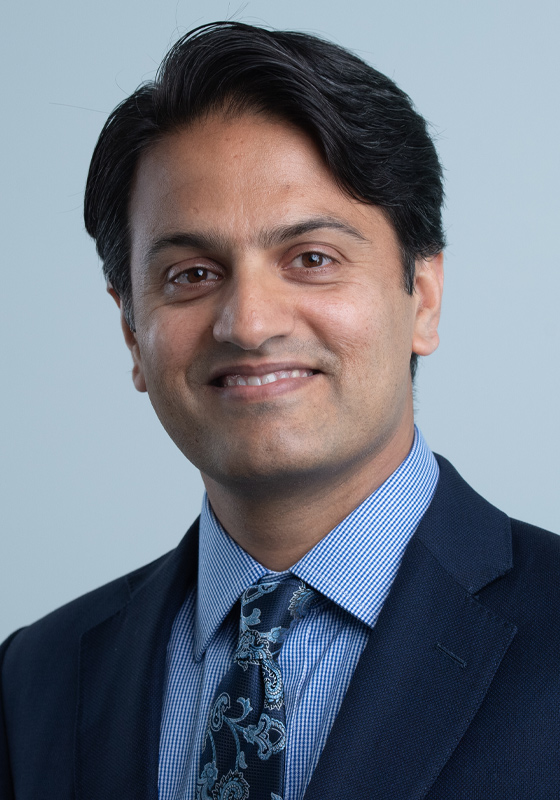
Consultant Paediatric Neurosurgeon
Mr Zubair Tahir
Mr Zubair Tahir is an experienced Consultant Paediatric Neurosurgeon, who is passionate about delivering the highest quality care to all...
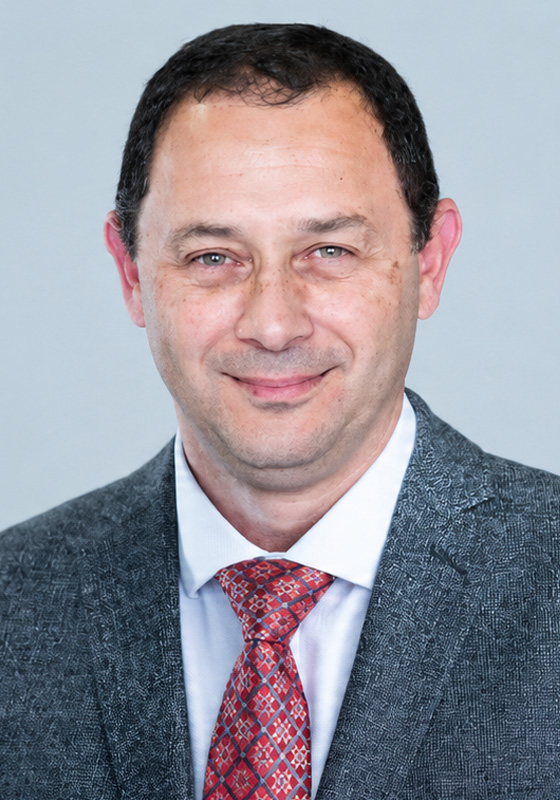
Surgical Lead in Neuro-Oncology
Mr Kristian Aquilina
Mr Kristian Aquilina is the surgical lead for the neuro-oncology department at Great Ormond Street Hospital for Children since 2012....
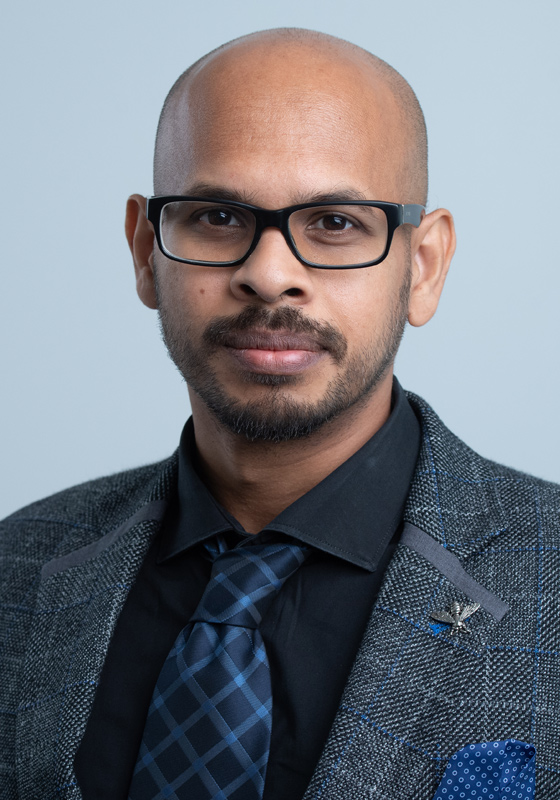
Consultant Paediatric Neurosurgeon
Mr Dulanka Silva
Mr Dulanka Silva is a Consultant Paediatric Neurosurgeon at Great Ormond Street Hospital for Children. In addition to General Paediatric...
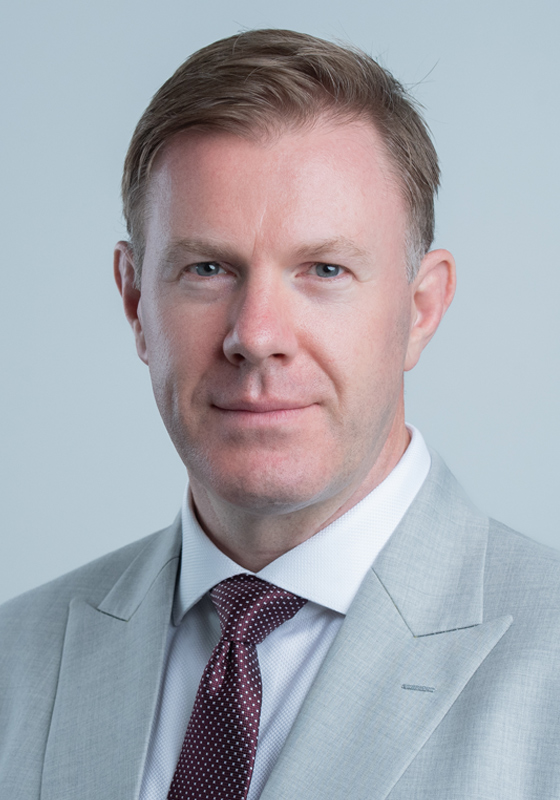
Consultant Plastic, Craniofacial & Aesthetic Surgeon
Mr Graeme Glass
Graeme Glass PhD, FRCS(Plast) MBA is a London trained, internationally respected consultant plastic, craniofacial and aesthetic surgeon.

Consultant Psychiatrist
Dr Justin Shute
Dr Justin Shute is a Consultant Liaison Psychiatrist with over 20 years of experience working within Orthognathic and Craniofacial teams....
Related Treatments
LCU provides precision lead procedures for a wide range of conditions — please view a sample of our expertise.
craniofacial
Hypertelorism
Hypertelorism is a medical condition characterized by an abnormally increased distance between the eyes.
craniofacial
Complex Craniofacial Clefts
Complex craniofacial clefts are rare congenital deformities that involve abnormal gaps or fissures in the bones and soft tissues of...

craniofacial
Treacher Collins Syndrome
Treacher Collins Syndrome (TCS) is a rare genetic disorder that affects the development of bones and other tissues in the...
craniofacial
Craniofacial Microsomia
Craniofacial microsomia (CFM) is a congenital condition characterized by underdevelopment of the structures on one or both sides of the...