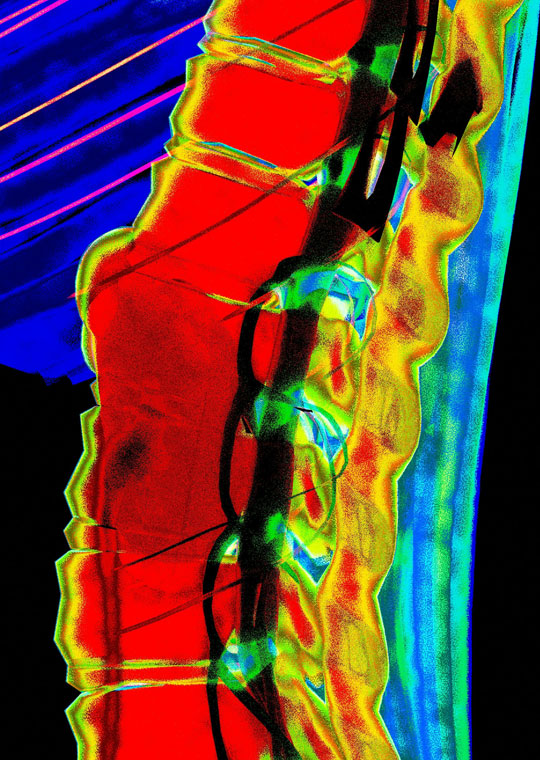
Children can have wide spectrum of conditions related to spine. These can be congenital (malformations) or acquired (infections, trauma, tumours, CSF related disorders).
spine
Spine Surgery
Congenital Spinal Cord Malformations
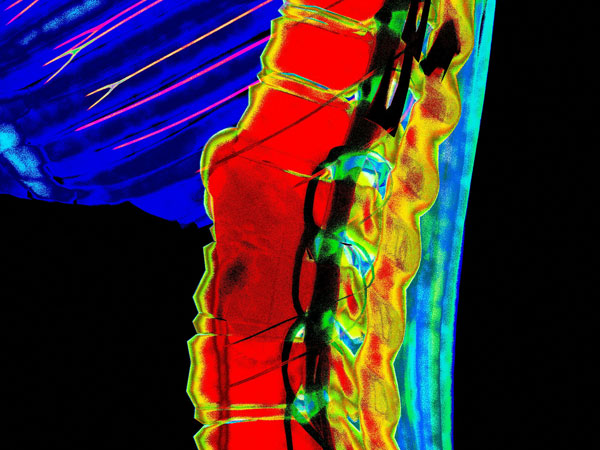
They are commonly referred to as spinal dysraphisms, are structural abnormalities present at birth that result from errors in early fetal development. They encompass a wide spectrum of defects, ranging from minor, asymptomatic bone variations to severe open neural tube exposures. Examples are myelomeningocele (spina bifida), split cord malformation, spinal cord lipomas, myelocystocele, sacral dimples and tracts, tethered cord.
Typical symptoms include Pain, numbness, tingling, or weakness in the legs or feet, difficulty with urinary or bowel function, foot deformities, abnormal spinal curvature (such as scoliosis or kyphosis), or uneven leg lengths.
Treatment is Often required shortly after birth for open defects to close the opening and protect the exposed nerves. We can also perform surgery for open spina bifida within uterus before 26 weeks of gestation (fetal surgery). Fir closed skin covered defects, MRI scan is carried out and surgery to release a tethered spinal cord is offered using intra operative monitoring.
Acquired conditions
Chiari malformation
A Chiari malformation is a structural condition where the lower part of the brain (the cerebellum) pushes down into the upper spinal canal. This crowds the spinal cord and obstructs the flow of cerebrospinal fluid, often causing headaches, balance issues, and neck pain.
Management options include observation in mild cases with no or minimal symptoms and Surgery if symptoms are severe with additional changes in spinal cord (syrinx). Procedure is called foramen magnum decompression.
Syringomyelia and hydromyelia
Syringomyelia is a rare neurological disorder where a fluid-filled cyst, called a syrinx, forms inside the spinal cord. This is often associated with Chiari. Other causes can be trauma, infections and tumours.
Scoliosis
Scoliosis is an abnormal, sideways curvature of the spine that often forms a C or S shape and twists the backbone. It most commonly develops during the growth spurt just before puberty. While mild cases may not require treatment, severe curves can cause pain, uneven posture, and breathing problem. Children with scoliosis should get MRI scan to rule out possible pathologies which require input form a paediatric neurosurgeon.
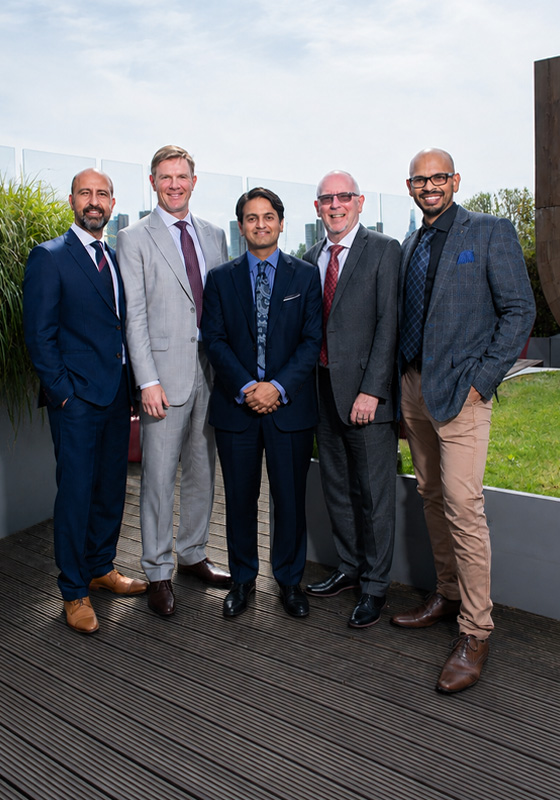
Meet The Clinical Team
Behind every successful outcome is a dedicated team. Meet the clinical team whose expertise and compassion make LCU world-renowned.
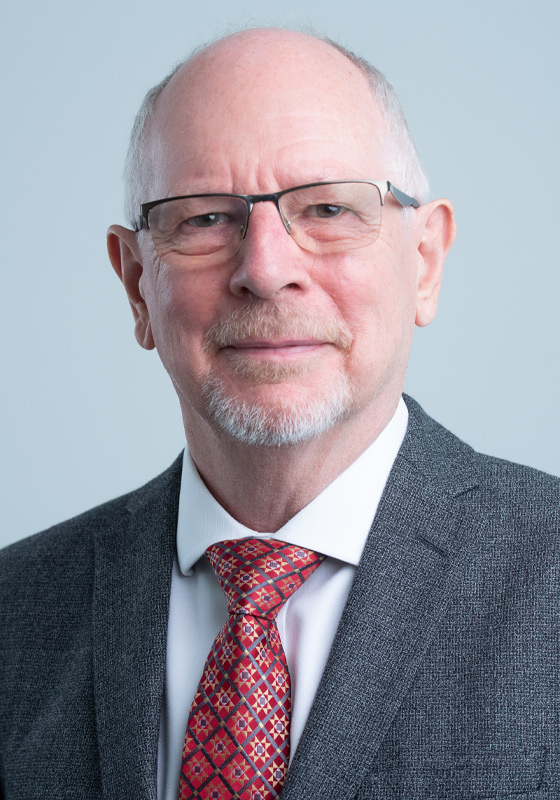
Plastic & Craniofacial Surgeon
Professor David Dunaway
Bringing decades of experience in complex Craniofacial and reconstructive surgery.
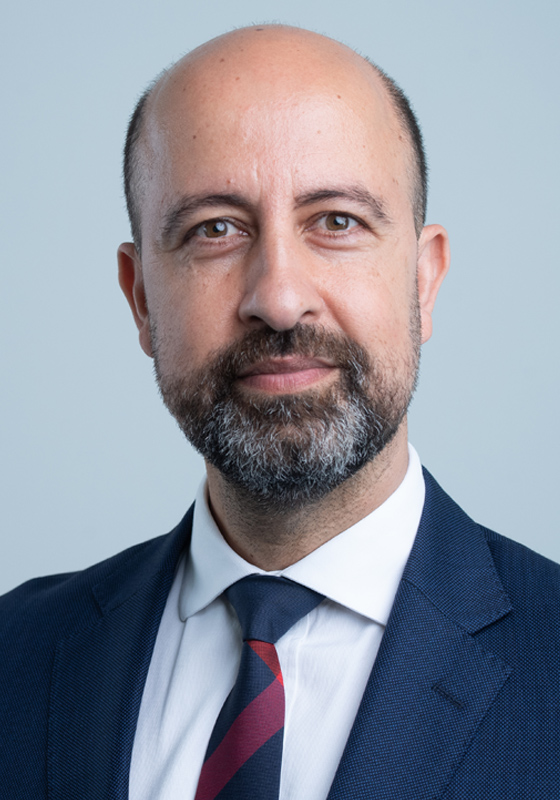
Consultant Paediatric Neurosurgeon
Professor Owase Jeelani
Professor Owase Jeelani is a Consultant Paediatric Neurosurgeon and has worked at Great Ormand Street Hospital for Children (GOSH) part...
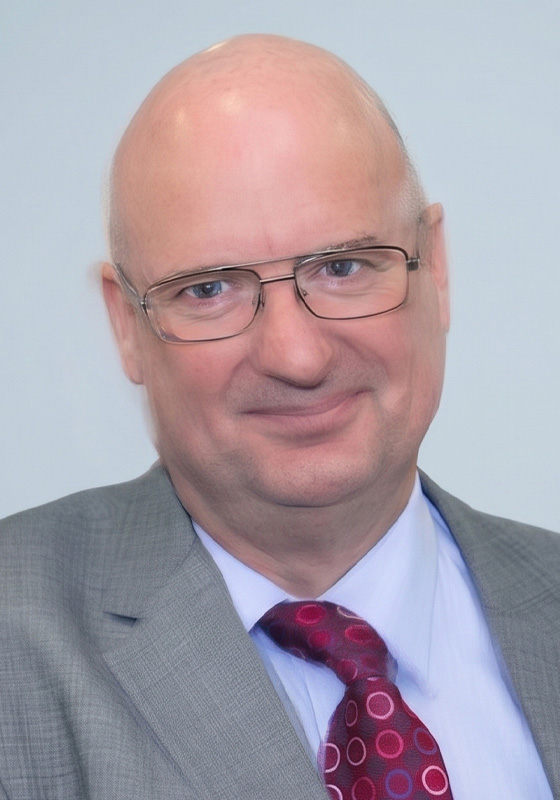
Senior Consultant
Mr Tim Lloyd
Mr Lloyd is the Senior Consultant Craniofacial, Oral and Maxillofacial surgeon at the Eastman Dental Hospital and was appointed at...
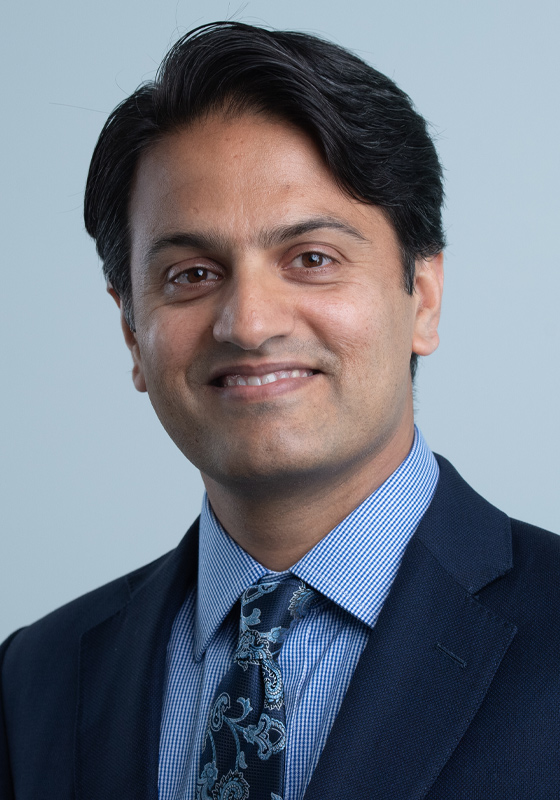
Consultant Paediatric Neurosurgeon
Mr Zubair Tahir
Mr Zubair Tahir is an experienced Consultant Paediatric Neurosurgeon, who is passionate about delivering the highest quality care to all...
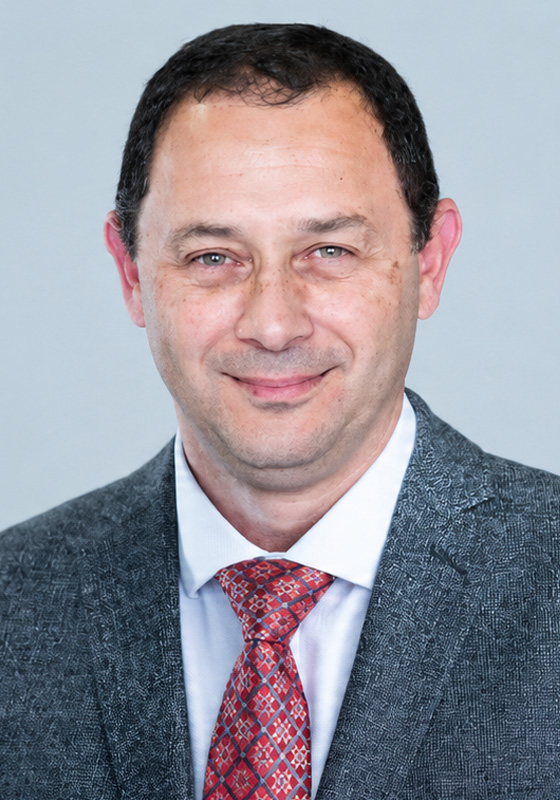
Surgical Lead in Neuro-Oncology
Mr Kristian Aquilina
Mr Kristian Aquilina is the surgical lead for the neuro-oncology department at Great Ormond Street Hospital for Children since 2012....
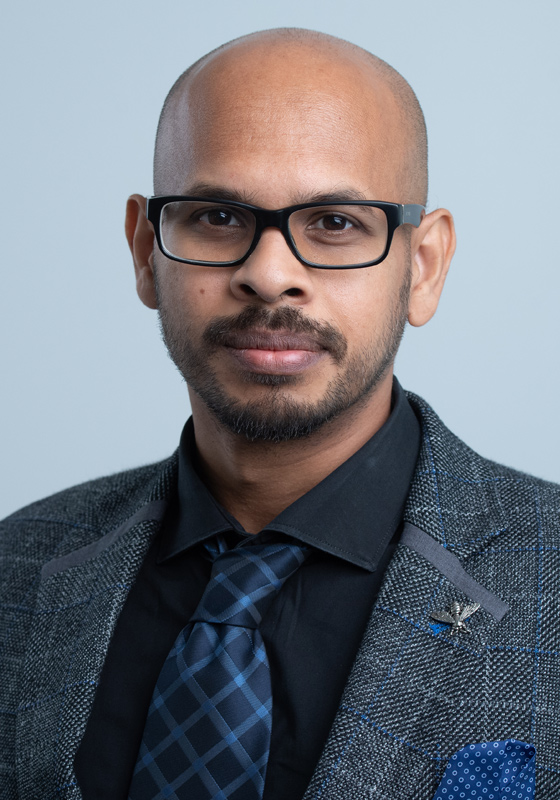
Consultant Paediatric Neurosurgeon
Mr Dulanka Silva
Mr Dulanka Silva is a Consultant Paediatric Neurosurgeon at Great Ormond Street Hospital for Children. In addition to General Paediatric...
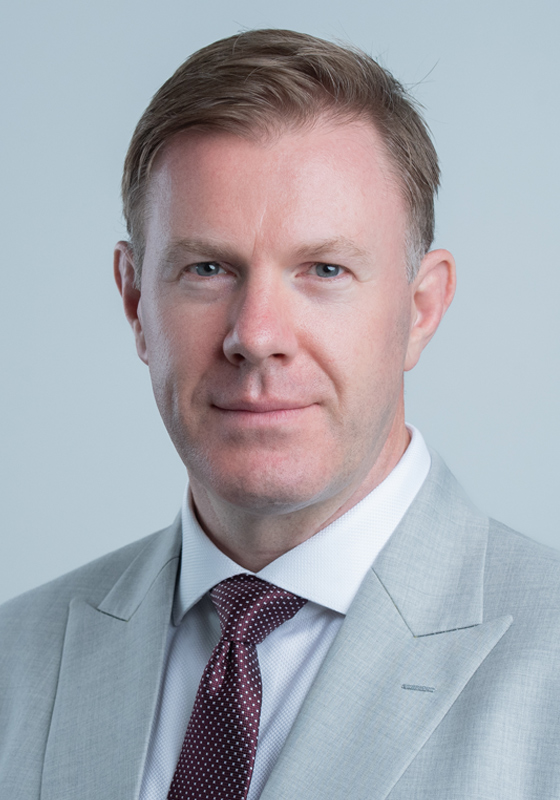
Consultant Plastic, Craniofacial & Aesthetic Surgeon
Mr Graeme Glass
Graeme Glass PhD, FRCS(Plast) MBA is a London trained, internationally respected consultant plastic, craniofacial and aesthetic surgeon.
Consultant Psychiatrist
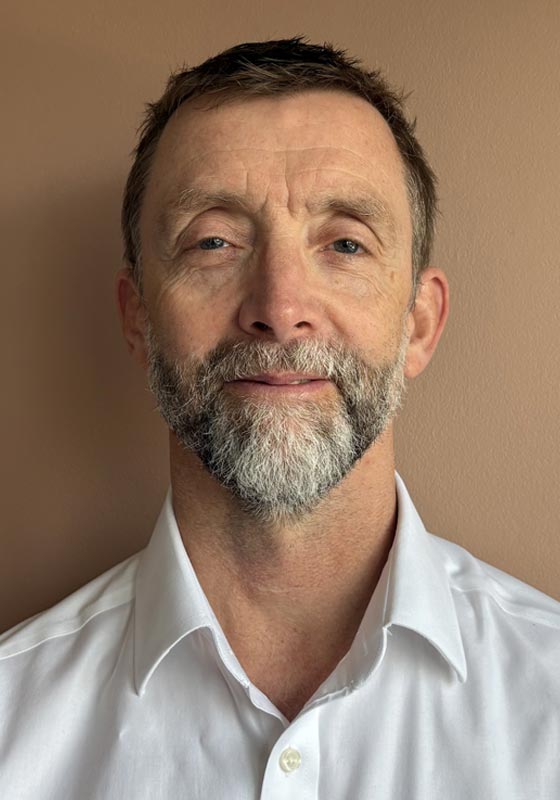
Dr Justin Shute
Dr Justin Shute is a Consultant Liaison Psychiatrist with over 20 years of experience working within Orthognathic and Craniofacial teams....