LCU - Sagittal Craniosynostosis

craniofacial

Sagittal Craniosynostosis

LCU - Sagittal Craniosynostosis

What is Sagittal Craniosynostosis?

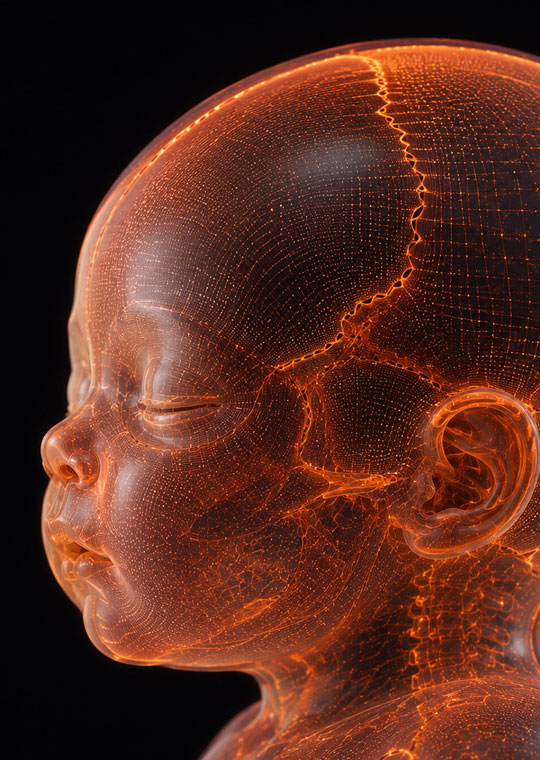
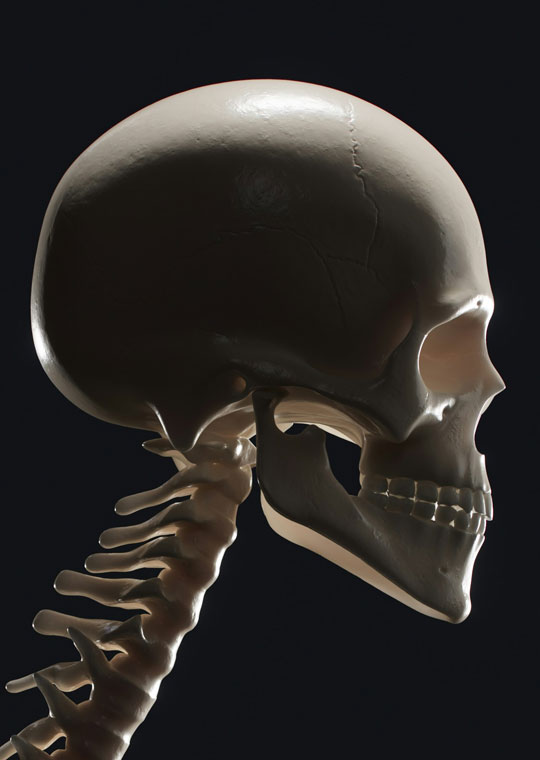
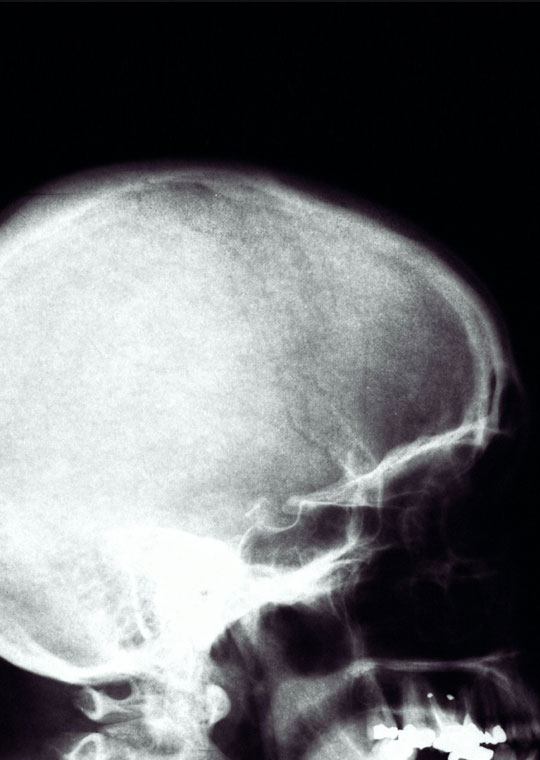
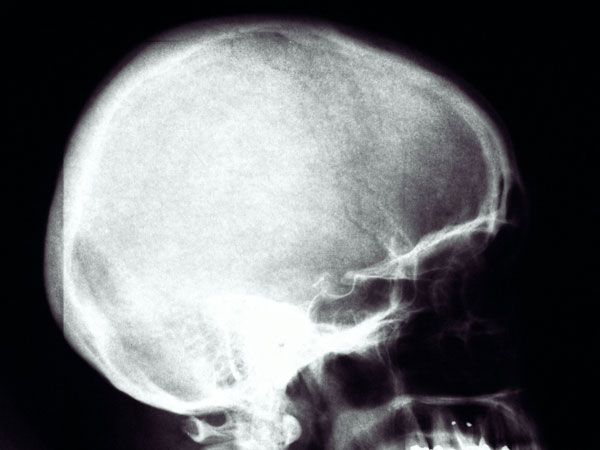
Sagittal craniosynostosis is the most common form of craniosynostosis, a condition where one or more sutures in a baby’s skull close too early. In this type, the sagittal suture, which runs from the front to the back of the skull, fuses prematurely. As a result, the skull cannot expand sideways and compensates by growing longer and narrower. This results in a head shape known as scaphocephaly, where the head appears elongated from front to back and narrow from side to side. In more severe cases, the forehead and back of the head may protrude.
The Procedure

Diagnosis

Sagittal craniosynostosis is often diagnosed during infancy, either at birth or within the first few months of life. Diagnosis is primarily clinical, based on the characteristic head shape. A pediatrician or specialist may notice the elongated skull and feel the ridged suture. To confirm the diagnosis and plan treatment, imaging studies such as X-rays, CT scans, or 3D imaging are typically performed. These provide detailed views of the skull structure and confirm premature suture fusion.

What Are the Causes?

The exact cause of sagittal craniosynostosis is often unknown and is considered sporadic in most cases. It usually occurs in isolation and is not associated with other health issues. However, in some cases, it can be linked to genetic syndromes which involve mutations affecting bone development. Environmental factors, maternal health conditions, or medications taken during pregnancy are also being studied as possible contributing factors, but no definitive cause has been identified for the majority of cases.

What Are the Implications?

The main implication of sagittal craniosynostosis is the abnormal head shape, which can cause both cosmetic and functional concerns. If left untreated, the restricted skull growth may lead to increased intracranial pressure, which can affect brain development and cause symptoms like headaches, vomiting, and developmental delays. Most children with this condition have normal intelligence, but untreated cases with significant pressure buildup may face neurological complications.

In addition to physical implications, children may experience psychological effects due to the noticeable difference in appearance. Social challenges and self-esteem issues can emerge, especially as the child grows older.

What Are the Treatment Options?

Treatment typically involves surgery to correct the skull shape and prevent any pressure on the brain. Not all children with sagittal craniosynostosis need surgery. The main surgical options include:

  1. Cranial Vault Remodeling (CVR): Involves removing and reshaping parts of the skull. This surgery is usually performed between 9-12 months of age.
  2. Endoscopic-Assisted Surgery: A less invasive procedure done before 6 months of age. It removes the fused suture and relies on helmet therapy afterward to guide skull growth.
  3. Spring-Assisted Cranioplasty: Performed in infants under 6 months, this involves placing metal springs after suture removal to gradually expand the skull. A second surgery is required to remove the springs after a few months.

What Are the Possible Complications?

Surgical treatment is generally safe and effective, but there are risks. These include:

  • Infection and bleeding
  • There is a small risk of causing damage to the brain
  • Scarring and anaesthesia complications
  • Recurrence of deformity, requiring additional surgery
  • Increased intracranial pressure in rare cases
  • Implant-related issues with spring-assisted methods

With timely diagnosis and appropriate treatment, most children with sagittal craniosynostosis lead healthy, typical lives with good cosmetic and developmental outcomes.

Meet the Surgeons - London Craniofacial Unit

Meet The Clinical Team

Behind every successful outcome is a dedicated team. Meet the clinical team whose expertise and compassion make LCU world-renowned.

Testimonials

We’re proud to have helped patients from across the UK and around the world. Their stories inspire the work we do every day.

Our Locations

Wherever you meet us, you’ll receive the same world-class expertise and compassionate care. Our surgeons work across some of London’s most respected hospitals and private clinics.

Our Locations - London Craniofacial Unit
Great Ormond Street Hospital - London Craniofacial UnitGreat Ormond Street Hospital - London Craniofacial Unit

Great Ormond Street Hospital (GOSH)

Professor David Dunaway and Owase Jeelani lead the world-renowned Craniofacial and Neurosurgery units at GOSH.
The Portland Hospital - London Craniofacial UnitThe Portland Hospital - London Craniofacial Unit

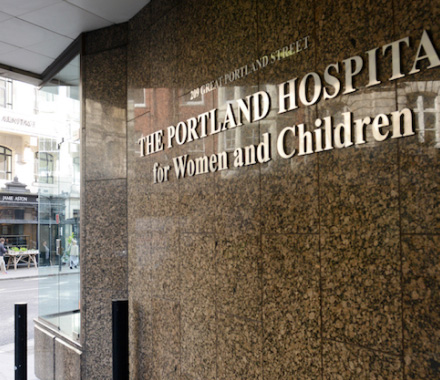
The Portland Hospital

The Portland is the UK’s largest private children’s hospital with a dedicated paediatric intensive care unit.
LCU - 84 Harley StreetLCU - 84 Harley Street

84 Harley Street

LCU take full advantage of this location to consult with patients in a relaxed environment.
LCU - 152 Harley StreetLCU - 152 Harley Street

152 Harley Street

Specialist consultations and advanced diagnostics in London’s leading medical district.
LCU - Weymouth Street HospitalLCU - Weymouth Street Hospital

Weymouth Street Hospital

LCU procedures are carried out at Weymouth Street Hospital’s advanced, patient-centred facilities.
LCU - The London ClinicLCU - The London Clinic

The London Clinic

The London Clinic is one of the UK’s leading private hospitals, located in central London near Harley Street.
LCU - The Wellington HospitalLCU - The Wellington Hospital

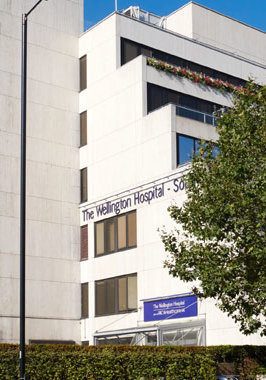
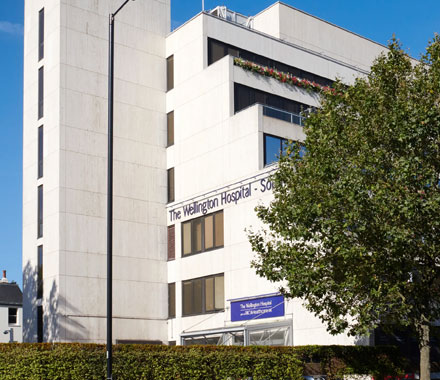
The Wellington Hospital

LCU performs their general anaesthesia adult plastic & reconstructive procedures here.

Download our brochure for more information

The home of LCU — a world-leading centre for complex Craniofacial and Reconstructive Surgery.