LCU - Craniofacial Fibrous Dysplasia

craniofacial

Craniofacial Fibrous Dysplasia

LCU - Craniofacial Fibrous Dysplasia

What is Craniofacial Fibrous Dysplasia?

Craniofacial fibrous dysplasia is a bone disorder where normal bone tissue in the skull and facial bones is gradually replaced by abnormal fibrous bone. This leads to irregular bone growth, deformity, and sometimes functional impairment. The condition can affect a single bone (monostotic) or multiple bones (polyostotic), and when it involves the bones of the face and skull, it is referred to as craniofacial fibrous dysplasia. It may occur as part of McCune-Albright syndrome, which also includes endocrine dysfunction and skin pigmentation changes, or it may present as an isolated condition.

The Procedure

How is it Diagnosed?

Diagnosis is typically based on clinical symptoms and imaging studies. Common signs include facial asymmetry, swelling, or pressure-related symptoms such as vision or hearing problems.

  • CT scans are particularly useful in identifying the characteristic “ground-glass” appearance of fibrous dysplasia and determining the extent of bone involvement.
  • MRI scans can evaluate soft tissue involvement and potential compression of nearby structures like the optic nerve.
  • X-rays may show bone expansion and irregularity.
  • Biopsy is sometimes used to confirm the diagnosis when imaging findings are uncertain.
  • Genetic testing for GNAS gene mutations may support the diagnosis, especially in syndromic cases.

What Are the Causes?

Craniofacial fibrous dysplasia is caused by a mutation in the GNAS gene, which occurs after conception (postzygotic), making the condition non-inherited. The mutation leads to overactivation of a signaling pathway responsible for bone development, causing replacement of normal bone with fibrous tissue and disorganized, immature bone.

The timing and location of the mutation determine the extent of the disease. If it occurs early in development, more bones are likely to be involved. In McCune-Albright syndrome, the mutation affects multiple systems, including the bones, endocrine glands, and skin.

What Are the Implications?

The implications of craniofacial fibrous dysplasia can vary widely depending on the location and extent of the affected bone. Common issues include:

  • Facial asymmetry and deformity
  • Visual impairment from optic nerve compression
  • Hearing loss if the temporal bone is involved
  • Sinus or nasal obstruction, leading to breathing or drainage problems
  • Dental issues, including misalignment and jaw dysfunction
  • Pain and bone fragility, especially if lesions expand

While most cases are benign, complications can be progressive, particularly in children and adolescents during growth spurts. Rarely, malignant transformation into osteosarcoma can occur, though this is extremely uncommon.

What Are the Treatment Options?

There is no cure for craniofacial fibrous dysplasia, so treatment is focused on symptom management and preserving function:

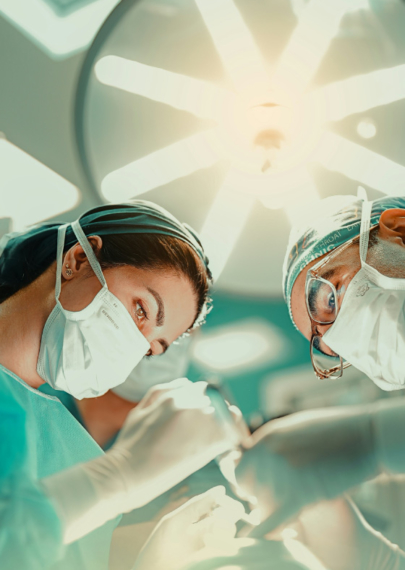
  • Surgical intervention is often required to correct deformities, relieve nerve compression, or improve function and appearance. However, regrowth of the lesion can occur, especially if surgery is done during periods of active bone growth.
  • Medical therapy may include pain management and, in some cases, the use of bisphosphonates to reduce bone turnover and relieve pain, though their efficacy in craniofacial lesions remains uncertain.
  • Monitoring with regular imaging is essential to detect changes in lesion size or the development of complications.
  • Multidisciplinary care, involving craniofacial surgeons, neurologists, ENT specialists, endocrinologists, and ophthalmologists, ensures comprehensive evaluation and treatment.

With proper management, most patients maintain good function and quality of life, although long-term follow-up is necessary to monitor disease progression and address any emerging complications.

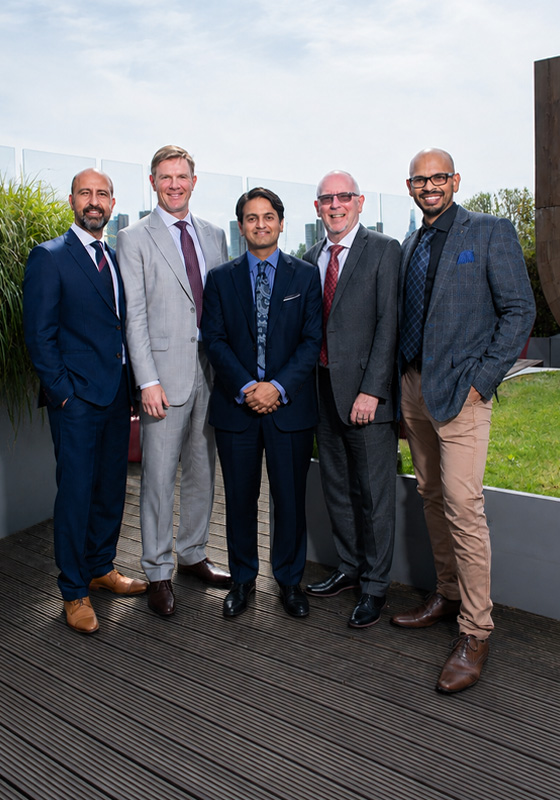
Meet the Surgeons - London Craniofacial Unit

Meet The Clinical Team

Behind every successful outcome is a dedicated team. Meet the clinical team whose expertise and compassion make LCU world-renowned.

Testimonials

We’re proud to have helped patients from across the UK and around the world. Their stories inspire the work we do every day.

Our Locations

Wherever you meet us, you’ll receive the same world-class expertise and compassionate care. Our surgeons work across some of London’s most respected hospitals and private clinics.

Our Locations - London Craniofacial Unit
Great Ormond Street Hospital - London Craniofacial UnitGreat Ormond Street Hospital - London Craniofacial Unit

Great Ormond Street Hospital (GOSH)

Professor David Dunaway and Owase Jeelani lead the world-renowned Craniofacial and Neurosurgery units at GOSH.
The Portland Hospital - London Craniofacial UnitThe Portland Hospital - London Craniofacial Unit

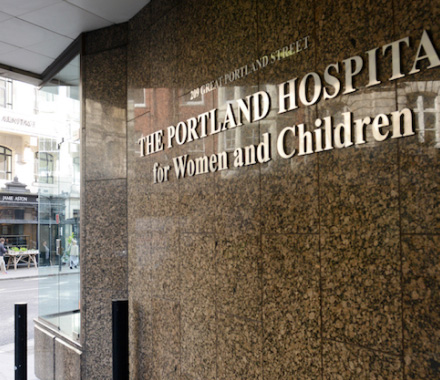
The Portland Hospital

The Portland is the UK’s largest private children’s hospital with a dedicated paediatric intensive care unit.
LCU - 84 Harley StreetLCU - 84 Harley Street

84 Harley Street

LCU take full advantage of this location to consult with patients in a relaxed environment.
LCU - 152 Harley StreetLCU - 152 Harley Street

152 Harley Street

Specialist consultations and advanced diagnostics in London’s leading medical district.
LCU - Weymouth Street HospitalLCU - Weymouth Street Hospital

Weymouth Street Hospital

LCU procedures are carried out at Weymouth Street Hospital’s advanced, patient-centred facilities.
LCU - The London ClinicLCU - The London Clinic

The London Clinic

The London Clinic is one of the UK’s leading private hospitals, located in central London near Harley Street.
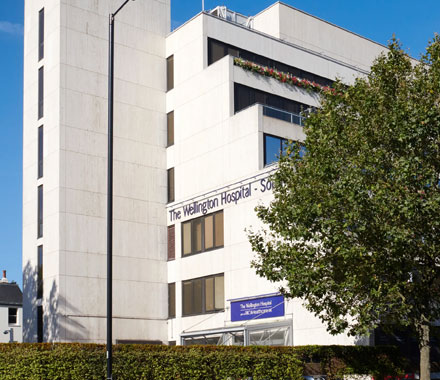
LCU - The Wellington HospitalLCU - The Wellington Hospital

The Wellington Hospital

LCU performs their general anaesthesia adult plastic & reconstructive procedures here.

Download our brochure for more information

The home of LCU — a world-leading centre for complex Craniofacial and Reconstructive Surgery.