LCU - Hypertelorism

craniofacial

Hypertelorism

LCU - Hypertelorism

What is Hypertelorism?

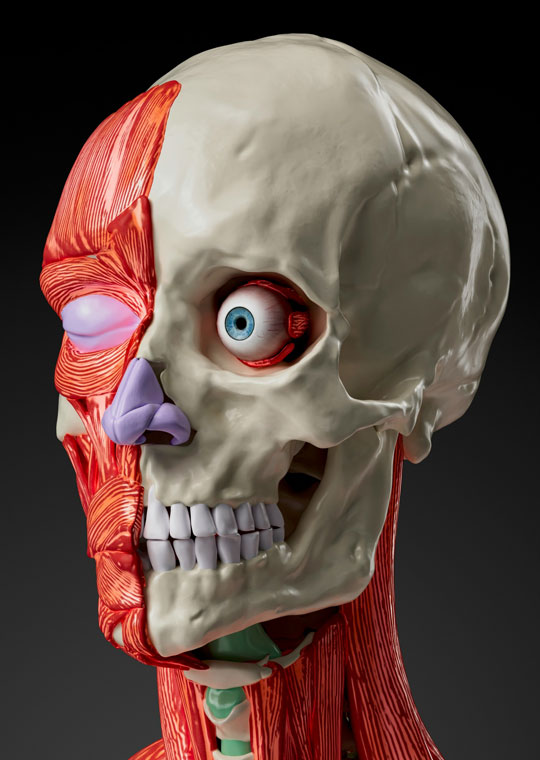
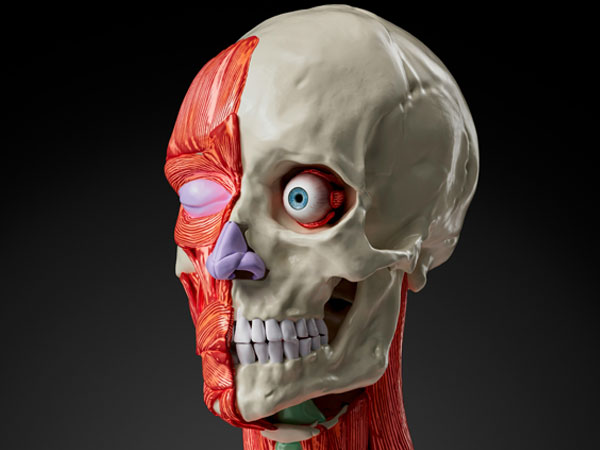
Hypertelorism is a medical condition characterized by an abnormally increased distance between the eyes. It is often a noticeable craniofacial abnormality and can range from mild to severe. Hypertelorism is typically diagnosed in infancy or early childhood and can occur as an isolated feature or as part of a broader syndrome involving other craniofacial or neurological abnormalities. The condition should not be confused with telecanthus, which refers to increased distance between the inner corners of the eyes without actual widening of the orbits.

The Procedure

How is it Diagnosed?

Diagnosis of hypertelorism begins with clinical observation of facial features, often noted during routine paediatric examinations or assessments for other craniofacial anomalies. Measurements of the interorbital distance (the space between the bony orbits of the eyes) are compared to normal ranges for age and development. Imaging studies such as CT scans or MRI may be used to provide detailed views of the craniofacial structures and confirm the diagnosis. In syndromic cases, genetic testing and a multidisciplinary assessment may be recommended to identify underlying causes and associated abnormalities.

What Are the Causes?

Hypertelorism is usually congenital and can be caused by a variety of developmental abnormalities. These include:

  • Midline craniofacial defects: such as frontonasal dysplasia, encephalocele, and cleft syndromes
  • Genetic syndromes: including Apert syndrome, Crouzon syndrome, and Noonan syndrome
  • Neurocristopathies: disorders involving neural crest cells that affect craniofacial development

In many cases, hypertelorism is part of a larger constellation of anomalies, especially in genetic syndromes. Rarely, it can be seen in isolation without any associated conditions.

What Are the Implications?

Hypertelorism can have both aesthetic and functional implications. The increased distance between the eyes can cause noticeable facial asymmetry, which may impact self-esteem and social interactions, particularly in school-aged children. In some cases, associated structural abnormalities can lead to visual disturbances or impairments. If hypertelorism is part of a syndrome, it may be accompanied by developmental delays, cognitive challenges, or neurological issues, depending on the extent of the underlying condition.

Facial asymmetry and the psychosocial effects of visible differences are important considerations in managing hypertelorism. Early diagnosis and intervention can help address both cosmetic and developmental concerns.

What Are the Treatment Options?

Surgical correction is the primary treatment for moderate to severe hypertelorism. The goal of surgery is to reduce the interorbital distance and improve facial symmetry. Common approaches include orbital box osteotomy and Facial Bipartition, a procedure in which the eye sockets (orbits) are surgically repositioned closer together. This is a complex surgery typically performed by a craniofacial surgical team, often between the ages of 9 and 12 years, once facial bones have developed sufficiently.

In some cases, especially when hypertelorism is associated with other craniofacial abnormalities, it may be combined with other reconstructive surgeries to address the full scope of anatomical issues.

What Are the Possible Complications?

Surgical correction of hypertelorism, while effective, carries certain risks:

  • Bleeding or infection
  • Damage to surrounding structures, including the eyes or brain
  • Scarring or cosmetic dissatisfaction
  • Need for additional surgeries as the child grows
  • Anesthesia-related risks

With expert surgical care and long-term follow-up, most patients experience improved appearance and function, contributing positively to their quality of life.

Meet the Surgeons - London Craniofacial Unit

Meet The Clinical Team

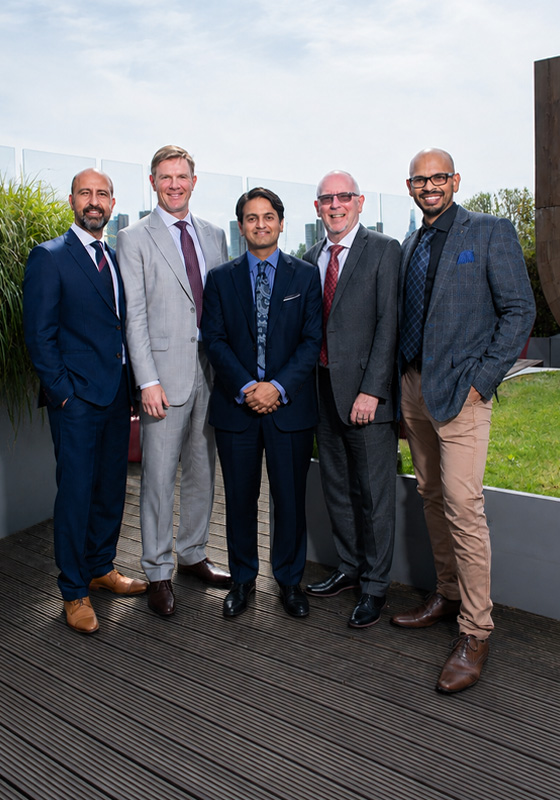
Behind every successful outcome is a dedicated team. Meet the clinical team whose expertise and compassion make LCU world-renowned.

Testimonials

We’re proud to have helped patients from across the UK and around the world. Their stories inspire the work we do every day.

Our Locations

Wherever you meet us, you’ll receive the same world-class expertise and compassionate care. Our surgeons work across some of London’s most respected hospitals and private clinics.

Our Locations - London Craniofacial Unit
Great Ormond Street Hospital - London Craniofacial UnitGreat Ormond Street Hospital - London Craniofacial Unit

Great Ormond Street Hospital (GOSH)

Professor David Dunaway and Owase Jeelani lead the world-renowned Craniofacial and Neurosurgery units at GOSH.
The Portland Hospital - London Craniofacial UnitThe Portland Hospital - London Craniofacial Unit

The Portland Hospital

The Portland is the UK’s largest private children’s hospital with a dedicated paediatric intensive care unit.
LCU - 84 Harley StreetLCU - 84 Harley Street

84 Harley Street

LCU take full advantage of this location to consult with patients in a relaxed environment.
LCU - 152 Harley StreetLCU - 152 Harley Street

152 Harley Street

Specialist consultations and advanced diagnostics in London’s leading medical district.
LCU - Weymouth Street HospitalLCU - Weymouth Street Hospital

Weymouth Street Hospital

LCU procedures are carried out at Weymouth Street Hospital’s advanced, patient-centred facilities.
LCU - The London ClinicLCU - The London Clinic

The London Clinic

The London Clinic is one of the UK’s leading private hospitals, located in central London near Harley Street.
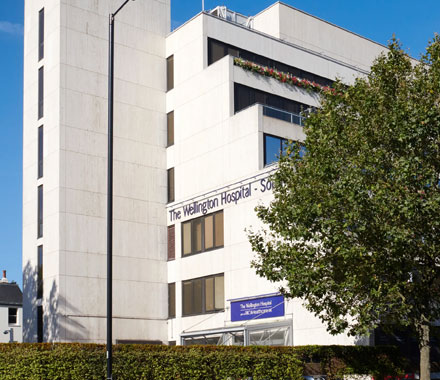
LCU - The Wellington HospitalLCU - The Wellington Hospital

The Wellington Hospital

LCU performs their general anaesthesia adult plastic & reconstructive procedures here.

Download our brochure for more information

The home of LCU — a world-leading centre for complex Craniofacial and Reconstructive Surgery.