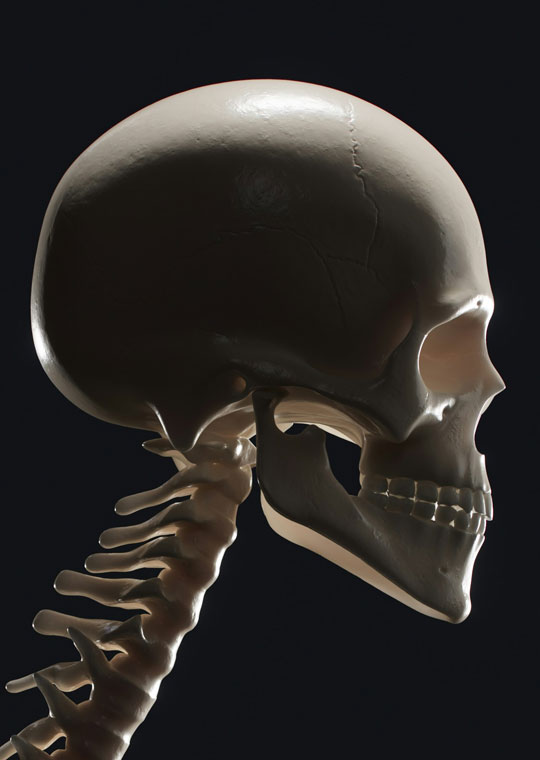
Crouzon, Apert, and Pfeiffer syndromes are rare genetic craniosynostosis syndromes characterised by the premature fusion of one or more skull sutures, leading to abnormal skull and facial development. Although they share overlapping features, each syndrome has distinct clinical characteristics.
craniofacial
Cruzon, Apert and Pfeeiffer Syndromes
- Crouzon syndrome primarily affects the skull and face, causing midface underdevelopment and shallow eye sockets, but typically does not involve limb abnormalities.
- Apert syndrome is characterised by craniosynostosis combined with syndactyly (fusion) of the fingers and toes.
- Pfeiffer syndrome presents with craniosynostosis and broad, medially deviated thumbs and big toes, with variable severity.
All three syndromes can significantly affect appearance, breathing, vision, and neurological development.
The Procedure
How are they Diagnosed?
Diagnosis usually begins in infancy, based on characteristic facial and skeletal features. Clinical assessment includes examination of head shape, facial symmetry, limb abnormalities, airway status, and eye position.
Imaging is essential and typically includes:
- CT scans with 3D reconstruction to identify fused sutures and assess skull shape
- MRI to evaluate the brain and detect raised intracranial pressure or associated abnormalities
Genetic testing confirms the diagnosis by identifying specific gene mutations and helps differentiate between syndromes with similar features. Prenatal diagnosis may be possible through ultrasound and genetic testing when there is a known family history or severe features.
What are the Causes?
All three syndromes are caused by mutations affecting bone growth and suture fusion:
- Crouzon syndrome is most commonly caused by mutations in the FGFR2 gene.
- Apert syndrome is caused by specific mutations in FGFR2.
- Pfeiffer syndrome is associated with mutations in FGFR1 or FGFR2.
These mutations lead to abnormal signalling that causes premature fusion of cranial sutures. The conditions are usually inherited in an autosomal dominant pattern, although many cases result from new (de novo) mutations with no family history.
What are the Implications?
The implications vary by syndrome and severity but may include:
- Abnormal head shape and facial appearance
- Increased intracranial pressure, which can affect brain development
- Vision problems, including exposure of the eyes, strabismus, or optic nerve compression
- Breathing difficulties, particularly due to midface hypoplasia
- Hearing loss
- Dental and orthodontic problems
In Apert and Pfeiffer syndromes, limb abnormalities can affect fine motor skills and daily function. Psychosocial challenges are common due to visible facial differences. Intelligence is often normal, but developmental delays may occur, especially if raised intracranial pressure is untreated.
What are the Treatment Options?
Treatment is complex and requires a multidisciplinary craniofacial team, often over many years. Management typically includes:
- Cranial vault expansion or remodelling in infancy to relieve pressure on the brain
- Midface advancement to improve breathing, eye protection, and facial balance
- Airway management, including treatment of sleep apnoea
- Eye protection and ophthalmic care
- Hearing support, such as hearing aids
- Hand surgery in Apert and Pfeiffer syndromes to separate fused digits
- Orthodontic and orthognathic surgery during later childhood or adolescence
With early diagnosis, coordinated care, and staged surgical intervention, many individuals with Crouzon, Apert, and Pfeiffer syndromes achieve good functional outcomes and improved quality of life.
Procedure Videos
LCU have produced informative content to give patients a greater understanding of their procedure.
Apert Syndrome
Professor David Dunaway, Plastic & Reconstructive Surgeon at LCU discusses Apert Syndrome.
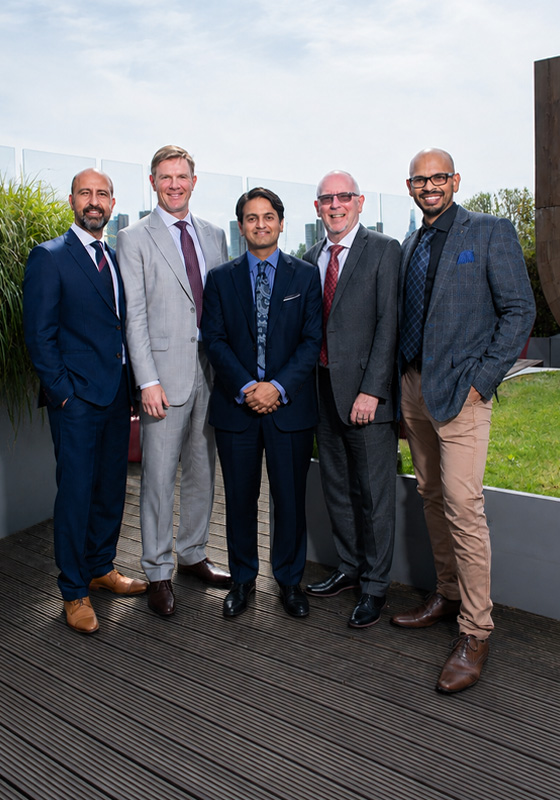
Meet The Clinical Team
Behind every successful outcome is a dedicated team. Meet the clinical team whose expertise and compassion make LCU world-renowned.

Plastic & Craniofacial Surgeon
Professor David Dunaway
Bringing decades of experience in complex Craniofacial and reconstructive surgery.
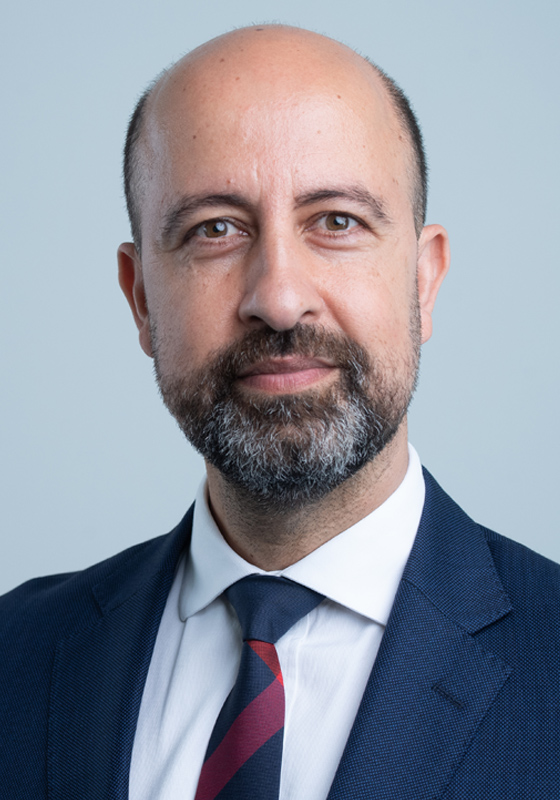
Consultant Paediatric Neurosurgeon
Professor Owase Jeelani
Professor Owase Jeelani is a Consultant Paediatric Neurosurgeon and has worked at Great Ormand Street Hospital for Children (GOSH) part...
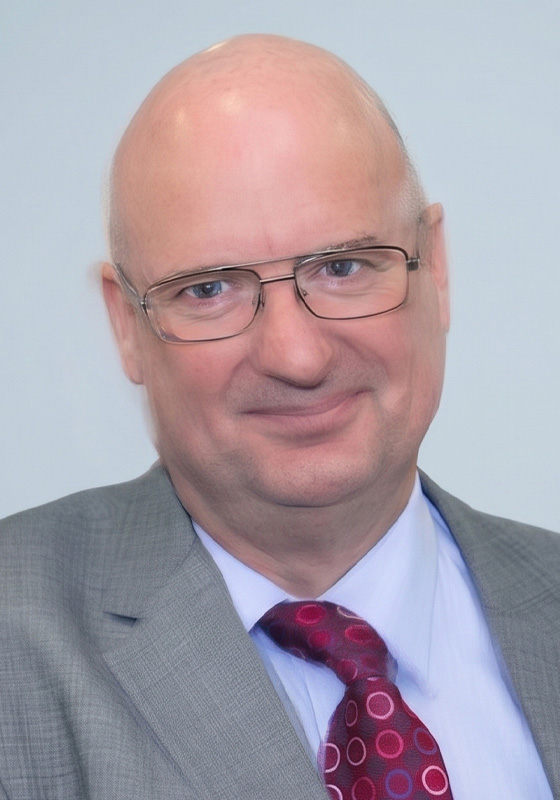
Senior Consultant
Mr Tim Lloyd
Mr Lloyd is the Senior Consultant Craniofacial, Oral and Maxillofacial surgeon at the Eastman Dental Hospital and was appointed at...
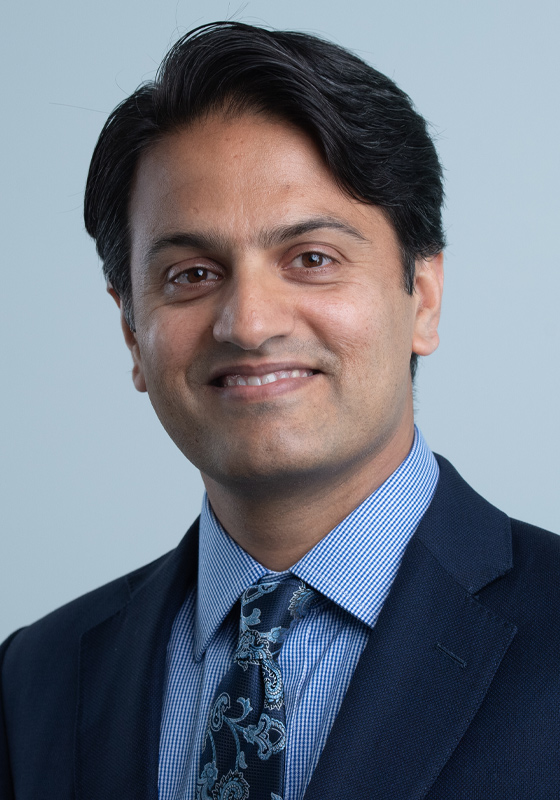
Consultant Paediatric Neurosurgeon
Mr Zubair Tahir
Mr Zubair Tahir is an experienced Consultant Paediatric Neurosurgeon, who is passionate about delivering the highest quality care to all...
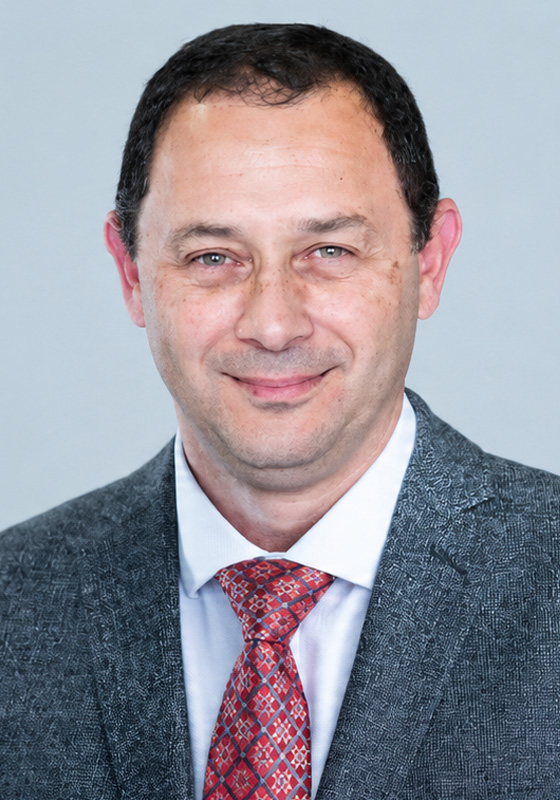
Surgical Lead in Neuro-Oncology
Mr Kristian Aquilina
Mr Kristian Aquilina is the surgical lead for the neuro-oncology department at Great Ormond Street Hospital for Children since 2012....

Consultant Paediatric Neurosurgeon
Mr Dulanka Silva
Mr Dulanka Silva is a Consultant Paediatric Neurosurgeon at Great Ormond Street Hospital for Children. In addition to General Paediatric...
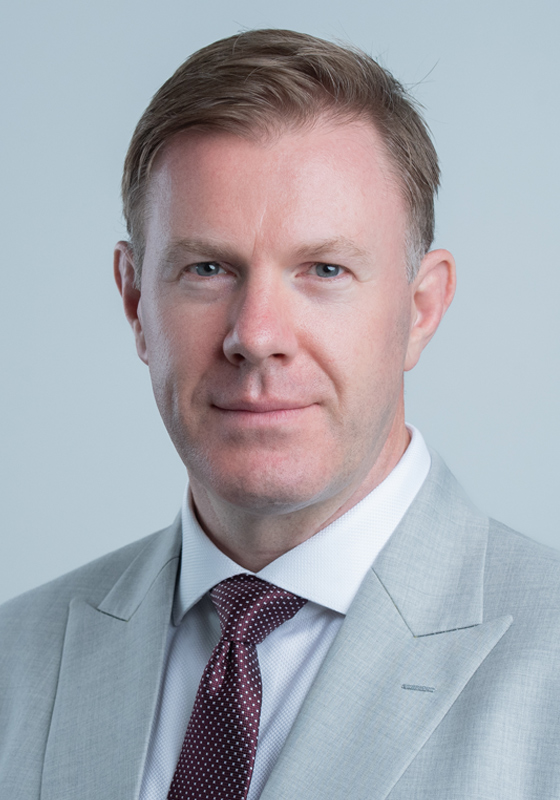
Consultant Plastic, Craniofacial & Aesthetic Surgeon
Mr Graeme Glass
Graeme Glass PhD, FRCS(Plast) MBA is a London trained, internationally respected consultant plastic, craniofacial and aesthetic surgeon.

Consultant Psychiatrist
Dr Justin Shute
Dr Justin Shute is a Consultant Liaison Psychiatrist with over 20 years of experience working within Orthognathic and Craniofacial teams....
Related Treatments
LCU provides precision lead procedures for a wide range of conditions — please view a sample of our expertise.
craniofacial
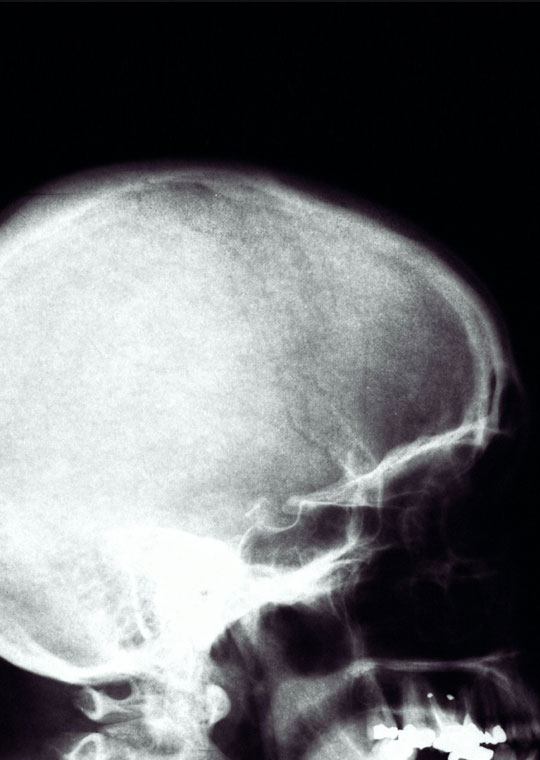
Sagittal Craniosynostosis
Sagittal craniosynostosis is the most common form of craniosynostosis, a condition where one or more sutures in a baby's skull...
craniofacial
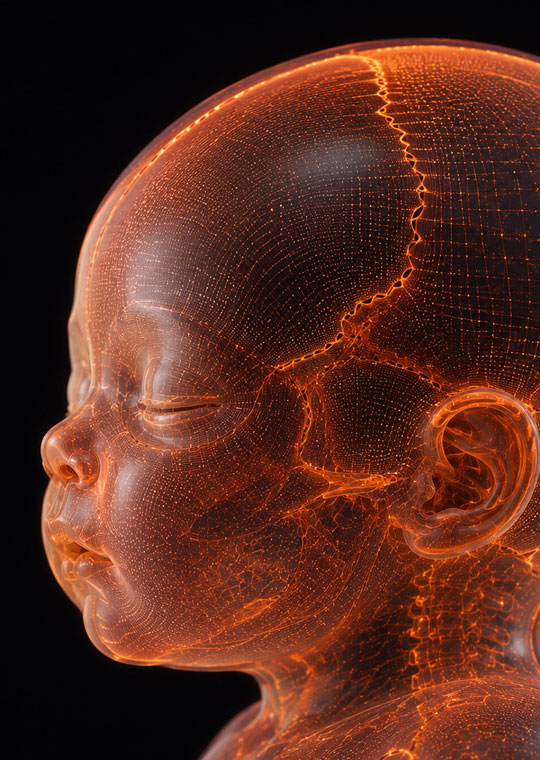
Metopic Craniosynostosis
Metopic craniosynostosis is a condition where the metopic suture, which runs from the top of the head down the middle...
craniofacial
Unicoronal Craniosynostosis
Unicoronal craniosynostosis is a type of craniosynostosis where one of the coronal sutures in a baby's skull closes prematurely.
craniofacial
Bicoronal Craniosynostosis
Bicoronal craniosynostosis is a condition in which both coronal sutures in an infant's skull close prematurely.
craniofacial
Lambdoid Craniosynostosis
Lambdoid craniosynostosis is a rare form of craniosynostosis, a condition where one or more of the skull sutures fuse prematurely.
...
craniofacial
Syndromic Craniosynostosis
Syndromic craniosynostosis is a form of craniosynostosis that occurs as part of a genetic syndrome, involving the premature fusion of...