Facial shape surgery focuses on improving balance, proportion, and harmony between facial features. Rather than addressing ageing alone, these procedures are designed to refine the underlying facial structure to create a more defined, contoured, or balanced appearance. Facial shape surgery can enhance natural features, soften strong angles, or improve symmetry while preserving individuality and expression. The goal is subtle, refined change that complements the rest of the face.

aesthetic
Face Shape Change

The Procedure
What Is Facial Shape Surgery?
Facial shape surgery refers to a group of surgical procedures that alter or refine the contours of the face by reshaping bone, cartilage, or soft tissue. These procedures may enhance definition, reduce prominence, or restore proportion between facial features. Facial shape surgery can be performed for aesthetic reasons or to correct asymmetry caused by genetics, injury, or developmental differences.
Facial shape surgery may address:
- A wide or heavy jawline
- Weak or recessed chin
- Imbalance between the upper, mid, and lower face
- Facial asymmetry
- Lack of facial definition
Each treatment plan is highly individual and based on facial anatomy and personal goals.
Common Procedures
Facial shape surgery may involve one or more of the following procedures:
- Chin Surgery (Genioplasty)
• Enhances or reduces chin projection
• Improves facial balance and profile
• Can involve bone repositioning or implants - Jawline Contouring
• Reduces jaw width or enhances jaw definition
• May involve bone reshaping or soft tissue contouring - Cheek Augmentation
• Enhances cheek structure and midface projection
• Performed using implants or fat grafting - Buccal Fat Reduction
• Reduces fullness in the lower cheeks
• Creates a more contoured facial appearance - Facial Implants
• Used to enhance chin, cheeks, or jawline
• Designed to achieve subtle, natural definition
Who Is a Good Candidate?
You may be a good candidate for facial shape surgery if:
- You feel certain facial features lack balance or definition
- You are concerned about facial asymmetry or proportions
- Your facial structure has fully developed
- You are in good overall health
- You have realistic expectations about outcomes
Facial shape surgery is usually best suited to patients whose facial growth is complete, typically in adulthood.
Consultation Process
The consultation process is detailed and personalised, focusing on facial analysis and aesthetic goals. It includes:
- Discussion of concerns and desired changes
- Assessment of facial proportions, symmetry, and structure
- Review of medical history and suitability for surgery
- Clinical photography and, when needed, imaging or 3D planning
- Creation of a tailored treatment plan with clear explanations of procedures, risks, recovery, and expected results
Recovery and Downtime
Recovery varies depending on the procedures performed, but commonly:
- Swelling and bruising are expected in the first 1–2 weeks
- Most patients return to normal daily activities within 1–2 weeks
- Strenuous activity should be avoided for several weeks
- Final results become more apparent as swelling gradually settles
- Follow-up appointments ensure safe healing and optimal outcomes
Risks and Benefits
Benefits include:
- Improved facial balance and harmony
- Enhanced definition and contour
- Correction of asymmetry
- Natural-looking, long-lasting results
- Increased confidence and self-esteem
Risks may include:
- Swelling and bruising
- Infection or bleeding
- Nerve irritation or temporary numbness
- Asymmetry or implant-related issues
- Rarely, the need for revision surgery
- General anaesthetic risks
Careful planning and experienced surgical care significantly reduce risk.
Results and Longevity
Facial shape surgery produces long-lasting results by modifying underlying facial structures. While the face continues to change naturally with age, surgical improvements in contour and proportion are generally permanent. Maintaining a healthy lifestyle and stable weight helps preserve results, allowing patients to enjoy refined facial balance for many years.
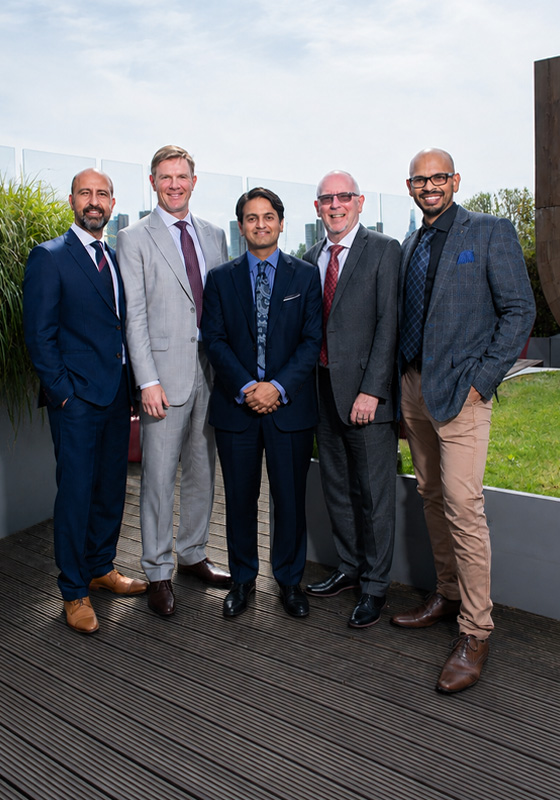
Meet The Clinical Team
Behind every successful outcome is a dedicated team. Meet the clinical team whose expertise and compassion make LCU world-renowned.
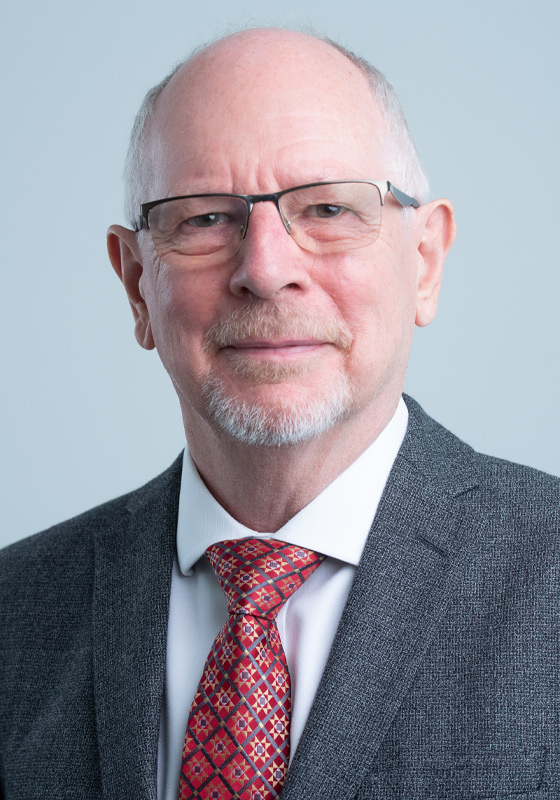
Plastic & Craniofacial Surgeon
Professor David Dunaway
Bringing decades of experience in complex Craniofacial and reconstructive surgery.
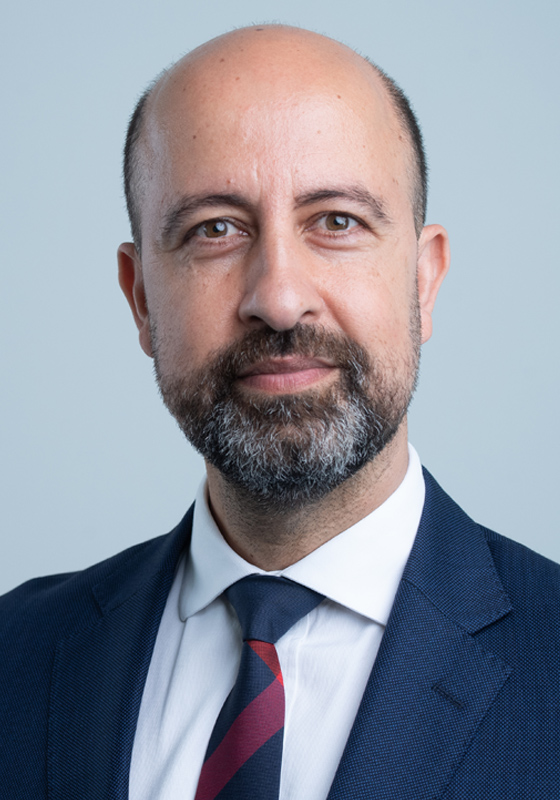
Consultant Paediatric Neurosurgeon
Professor Owase Jeelani
Professor Owase Jeelani is a Consultant Paediatric Neurosurgeon and has worked at Great Ormand Street Hospital for Children (GOSH) part...
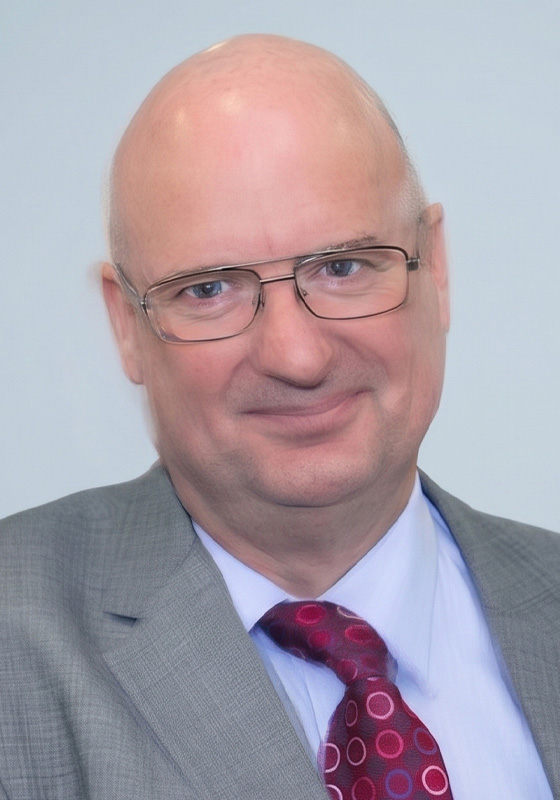
Senior Consultant
Mr Tim Lloyd
Mr Lloyd is the Senior Consultant Craniofacial, Oral and Maxillofacial surgeon at the Eastman Dental Hospital and was appointed at...
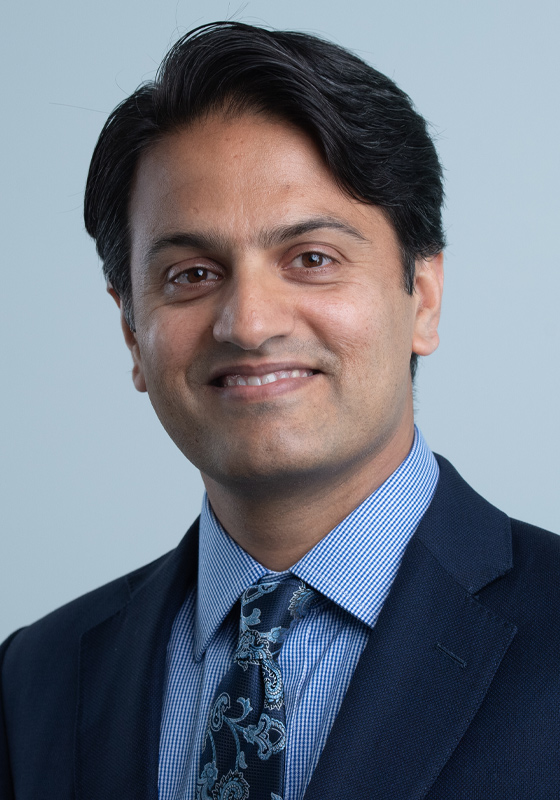
Consultant Paediatric Neurosurgeon
Mr Zubair Tahir
Mr Zubair Tahir is an experienced Consultant Paediatric Neurosurgeon, who is passionate about delivering the highest quality care to all...
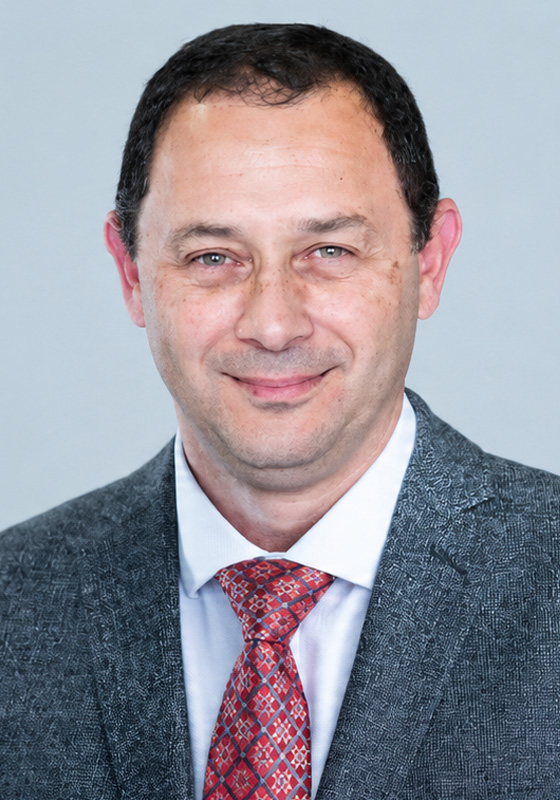
Surgical Lead in Neuro-Oncology
Mr Kristian Aquilina
Mr Kristian Aquilina is the surgical lead for the neuro-oncology department at Great Ormond Street Hospital for Children since 2012....
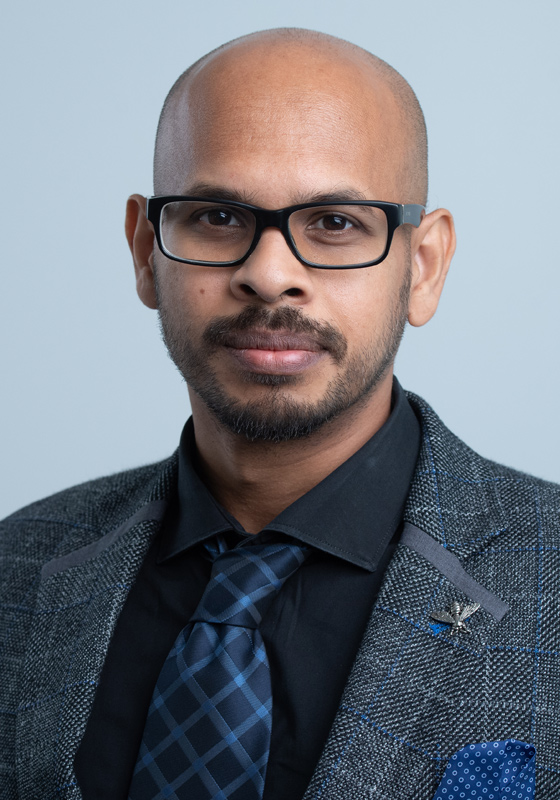
Consultant Paediatric Neurosurgeon
Mr Dulanka Silva
Mr Dulanka Silva is a Consultant Paediatric Neurosurgeon at Great Ormond Street Hospital for Children. In addition to General Paediatric...
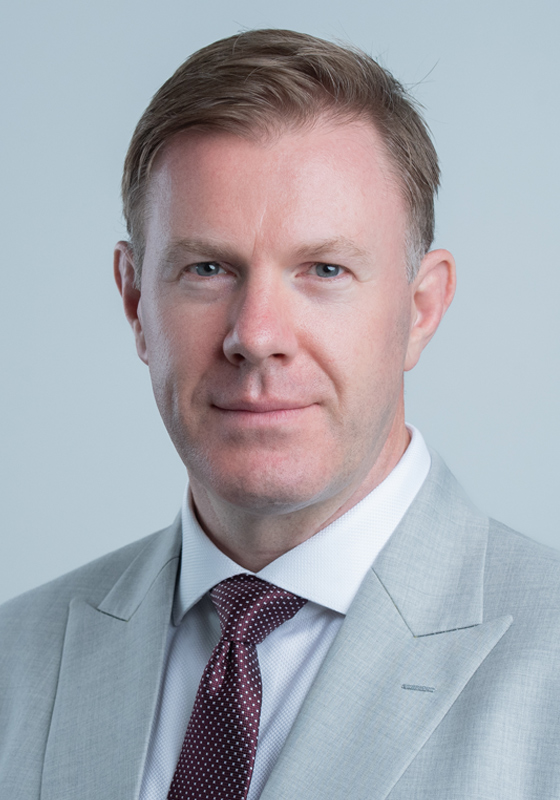
Consultant Plastic, Craniofacial & Aesthetic Surgeon
Mr Graeme Glass
Graeme Glass PhD, FRCS(Plast) MBA is a London trained, internationally respected consultant plastic, craniofacial and aesthetic surgeon.
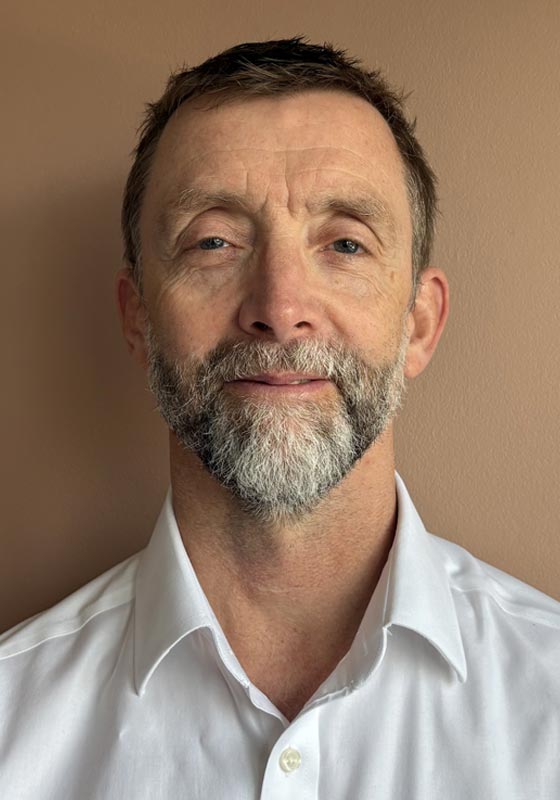
Consultant Psychiatrist
Dr Justin Shute
Dr Justin Shute is a Consultant Liaison Psychiatrist with over 20 years of experience working within Orthognathic and Craniofacial teams....
Related Treatments
LCU provides precision lead procedures for a wide range of conditions — please view a sample of our expertise.
aesthetic
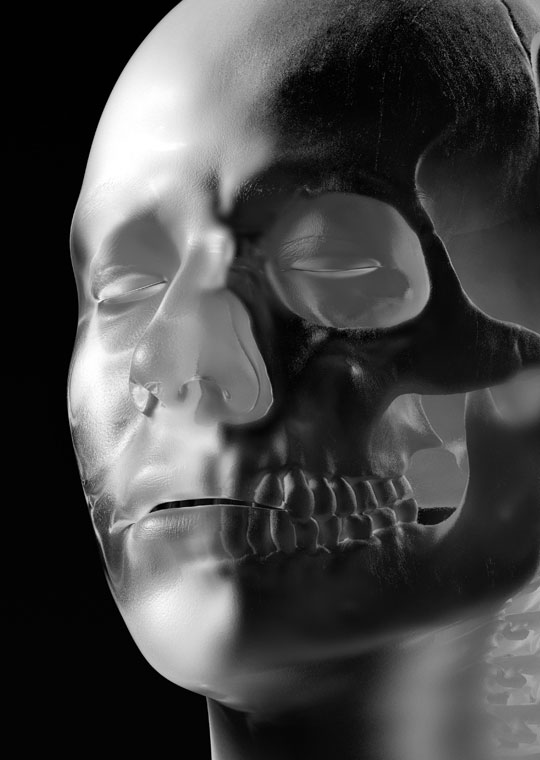
Face Rejuvenation
Facial rejuvenation is designed to help you look refreshed, rested, and more like yourself — not changed.

aesthetic
Eyelids (Blepharoplasty)
Blepharoplasty, commonly known as eyelid surgery, is a procedure designed to refresh and restore the appearance of the eyes.
aesthetic
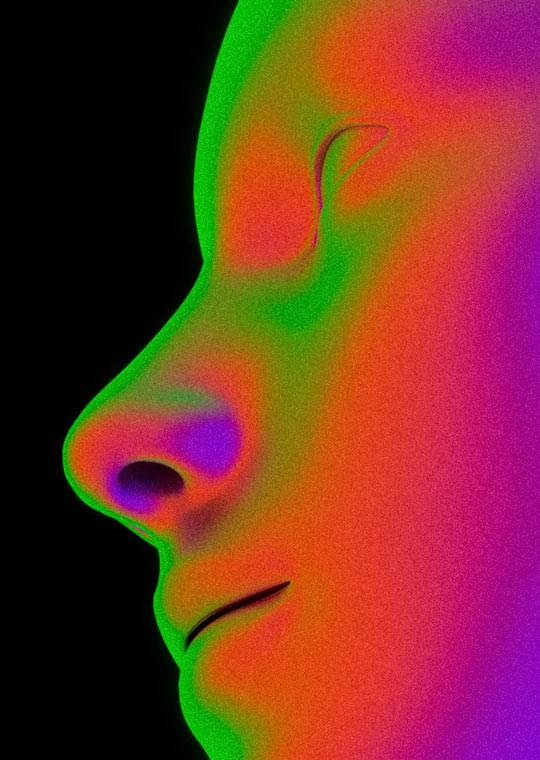
Nose (Rhinoplasty)
Rhinoplasty, commonly referred to as nose surgery, is a procedure designed to improve the shape, balance, and function of the...