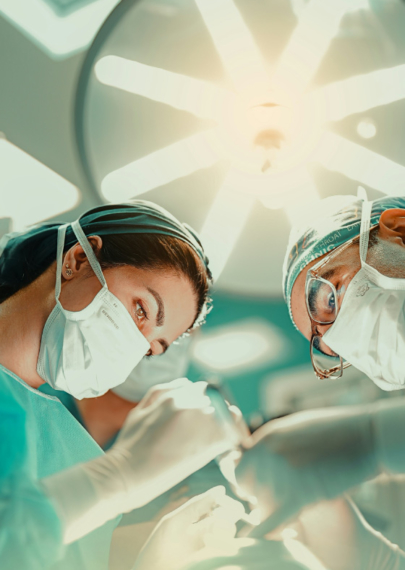
Craniofacial reconstruction is a highly specialised area of plastic and reconstructive surgery focused on restoring the skull and face following significant trauma, previous surgery or treatment for a tumour.
craniofacial
Craniofacial Reconstruction

Injuries and previous operations can affect the bones and soft tissues of the face, sometimes resulting in changes to facial shape, symmetry and function. Craniofacial reconstruction aims to restore these structures as closely as possible while addressing important functions such as vision, breathing, chewing and facial movement.
Every reconstruction is different. Treatment is individually planned according to the structures affected, previous treatment and the patient’s priorities.
What is craniofacial reconstruction?
Craniofacial reconstruction refers to a range of surgical techniques used to repair, rebuild or reposition the bones and soft tissues of the skull and face.
Reconstruction may be required following:
- Significant facial or craniofacial trauma
- Previous facial or skull surgery
- Removal of benign or malignant tumours
- Loss or distortion of facial bone or soft tissue
- Problems with healing following previous treatment
- Facial asymmetry resulting from injury or surgery
The aim is not simply to change appearance. Reconstruction may also be needed to restore structural support and improve function.
Reconstruction After Facial Trauma
Significant facial trauma can result in complex fractures involving several areas of the facial skeleton.
Although many facial fractures heal successfully following initial treatment, some injuries can leave persistent changes in the position or shape of the facial bones and soft tissues.
These may include:
- Facial asymmetry
- Flattening or loss of facial projection
- Changes in the position of the eyes
- Double vision or other visual problems
- Difficulty breathing through the nose
- Problems with the dental bite
- Difficulty chewing
- Numbness or altered facial sensation
- Facial scarring or soft tissue irregularity
Secondary craniofacial reconstruction can sometimes improve these problems even when a considerable period has passed since the original injury.
Correcting previous facial fractures
When fractures have healed in an abnormal position, reconstruction may require the affected bones to be carefully divided and repositioned.
Previous plates or screws may occasionally need to be removed or replaced, and areas of missing bone may require reconstruction.
The precise approach depends on the original injury and the structures involved.
Reconstruction After Previous Surgery
Some patients require craniofacial reconstruction following previous operations involving the skull or face.
This may be necessary because of:
- Changes in facial contour following surgery
- Loss of bone or soft tissue
- Facial asymmetry
- Scarring
- Previous infection or problems with healing
- Changes in the position of facial structures
- Functional problems following earlier treatment
Revision surgery can be particularly complex because previous operations may have altered the normal anatomy and created scar tissue.
Careful assessment and detailed surgical planning are therefore especially important.
Reconstruction After Tumour Treatment
Tumours affecting the skull, facial bones, sinuses, eye socket or surrounding tissues may require surgery that removes part of the normal facial structure.
Craniofacial reconstruction can form an important part of treatment following removal of both benign and malignant tumours.
The goals of reconstruction depend on the location and extent of the tumour and may include:
- Restoring the shape and support of the facial skeleton
- Separating the mouth, nose, sinuses or skull where necessary
- Supporting and protecting the eye
- Restoring facial symmetry
- Reconstructing missing soft tissue
- Helping restore chewing, speech or swallowing
- Improving appearance following tumour removal
Reconstruction may sometimes be performed at the same operation as tumour removal. In other situations, further reconstruction may be undertaken at a later stage.
Previous radiotherapy, chemotherapy, infection or multiple operations can affect healing and will be taken into consideration when planning treatment.
Assessment and Surgical Planning
Craniofacial reconstruction requires detailed assessment before surgery.
This may include:
- A comprehensive clinical examination
- Review of previous operations and medical records
- Review of previous scans
- CT and 3D imaging
- MRI where appropriate
- Clinical photography
- Dental and bite assessment
- Assessment of eye position and vision
- Assessment of breathing and the airway
- Evaluation of scars and soft tissues
For patients who have undergone tumour treatment, reconstruction is planned in conjunction with the relevant oncology or surgical team where appropriate.
3D Imaging and Virtual Surgical Planning
Modern craniofacial reconstruction can make use of three-dimensional imaging and virtual surgical planning.
A detailed 3D model of the facial skeleton can be created from CT imaging. This can allow the surgeon to analyse areas of asymmetry or missing bone and plan reconstruction before entering the operating theatre.
Depending on the procedure, digital planning may also be used to create:
- Surgical guides
- Anatomical models
- Custom plates
- Patient-specific implants
These technologies can be particularly valuable in complex reconstruction where normal anatomy has been altered by trauma, previous surgery or tumour removal.
Reconstructive Techniques
There is no single operation used for craniofacial reconstruction. Several techniques may be combined depending on the problem being treated.
Repositioning facial bones
Bones that have healed in an abnormal position following trauma or previous surgery can sometimes be carefully repositioned to restore facial structure and symmetry.
Orbital reconstruction
Trauma, tumour surgery and previous operations can affect the orbit, the bony structure surrounding the eye.
Reconstruction may be used to restore the shape and volume of the orbit, improve support for the eye and address abnormalities in eye position where possible.
Because visual symptoms can have several causes, the potential for improvement requires careful specialist assessment.
Bone grafting
Bone grafts may be used when part of the facial skeleton is missing or requires additional structural support.
Depending on the reconstruction, bone may be taken from another area of the patient’s body.
Custom facial implants
In selected cases, a patient-specific implant can be designed to reconstruct a bony defect or restore facial contour.
CT imaging and digital planning can be used to design an implant that closely corresponds to the patient’s individual anatomy.
Soft tissue reconstruction
Injury and surgery can affect the skin, fat, muscle and other soft tissues as well as the facial skeleton.
Reconstructive techniques may include:
- Scar revision
- Local tissue rearrangement
- Fat grafting
- Skin or tissue grafting
- Local or regional flaps
- Microsurgical free tissue transfer
The appropriate technique depends on the size, location and complexity of the defect.
Staged Reconstruction
Complex craniofacial reconstruction does not always take place in a single operation.
A staged approach may be preferable when several different structures need reconstruction or when previous trauma, surgery, infection, radiotherapy or tumour treatment has significantly affected the tissues.
The first operation may focus on restoring structural support or covering a defect, while later procedures refine facial symmetry, contour or soft tissue appearance.
Your surgeon will explain whether a single procedure or staged reconstruction is most appropriate.
Recovery After Craniofacial Reconstruction
Recovery varies considerably depending on the extent of surgery.
Major reconstruction may require a hospital stay and, for some procedures, closer monitoring during the initial postoperative period.
It is common to experience:
- Facial swelling
- Bruising
- Temporary discomfort
- Numbness or altered sensation
- Tiredness
- Temporary restrictions on eating or activity
Swelling generally reduces gradually, although it may take several months for the final facial contour to become apparent following more extensive surgery.
Your surgical team will provide specific advice about wound care, eating, activity and returning to work or normal activities.
Risks and Considerations
Craniofacial reconstruction is complex surgery and carries potential risks.
These vary according to the operation but can include:
- Bleeding
- Infection
- Swelling and bruising
- Scarring
- Numbness or changes in sensation
- Problems with wound healing
- Bone healing problems
- Persistent or recurrent asymmetry
- Complications involving plates or implants
- Need for further or revision surgery
- Anaesthetic complications
Additional risks may apply when surgery involves structures close to the eyes, facial nerves, airway or skull base.
Previous surgery, significant scarring, infection and radiotherapy can also make reconstruction more challenging and may affect healing.
The risks and expected benefits of your particular procedure will be discussed during your consultation.
What Results Can I Expect?
The aim of craniofacial reconstruction is to achieve the best possible restoration of facial structure, function and appearance.
Depending on the original problem, treatment may help to:
- Improve facial symmetry
- Restore lost facial projection or contour
- Reconstruct missing bone or soft tissue
- Improve the position and support of facial structures
- Improve the dental bite or chewing
- Address selected breathing problems
- Improve problems related to the position or support of the eye
- Improve scars and soft tissue contour
It is important to recognise that reconstruction cannot always restore the face exactly to how it appeared before an injury, operation or tumour.
Previous tissue damage, scarring, loss of bone or soft tissue, nerve injury and radiotherapy can all influence what can realistically be achieved.
A key part of your consultation is therefore establishing realistic and individual goals for reconstruction.
Specialist Craniofacial Assessment
If you have concerns about changes to your face or skull following trauma, previous surgery or tumour treatment, a specialist craniofacial assessment can determine whether reconstructive treatment may be appropriate.
Your consultation may explore:
- The problems caused by your previous injury or treatment
- Your current symptoms and concerns
- Previous operations and treatments
- Available reconstructive options
- Whether further imaging or investigations are required
- The likely benefits and limitations of surgery
- Potential risks and complications
- Recovery and aftercare
- Whether treatment should be performed in one operation or several stages
Following assessment, an individual treatment plan can be developed based on your anatomy, previous treatment and priorities.
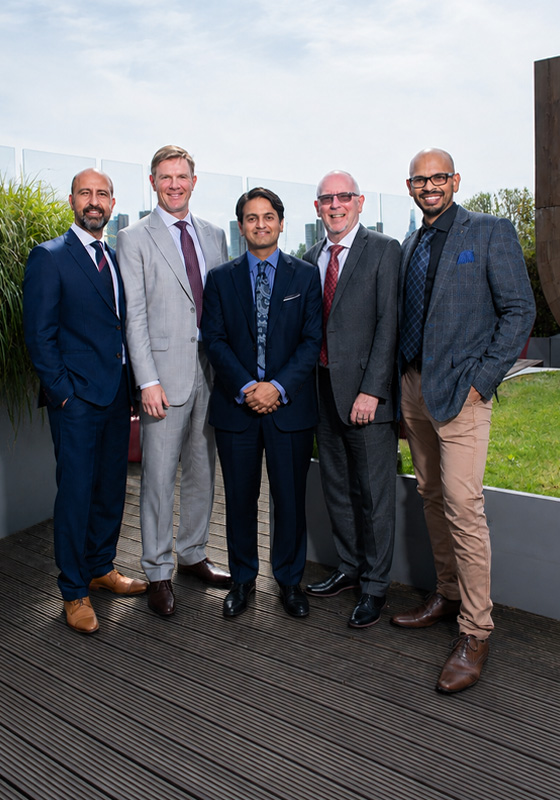
Meet The Clinical Team
Behind every successful outcome is a dedicated team. Meet the clinical team whose expertise and compassion make LCU world-renowned.
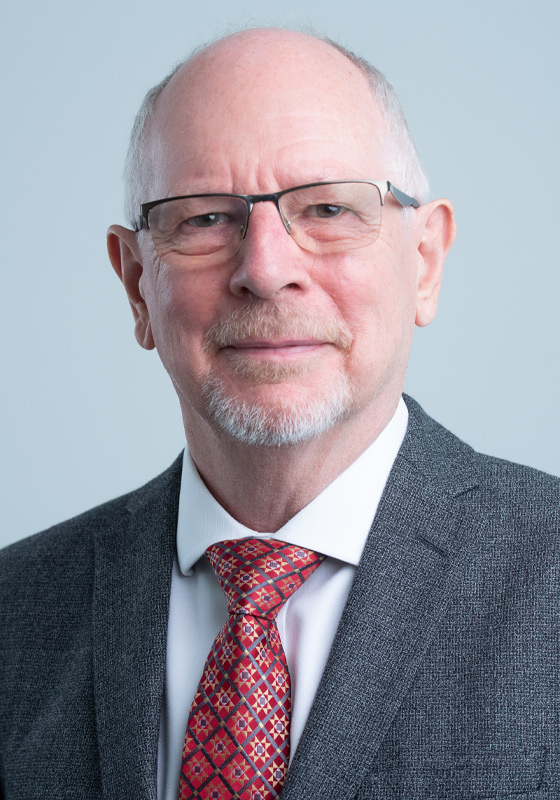
Plastic & Craniofacial Surgeon
Professor David Dunaway
Bringing decades of experience in complex Craniofacial and reconstructive surgery.
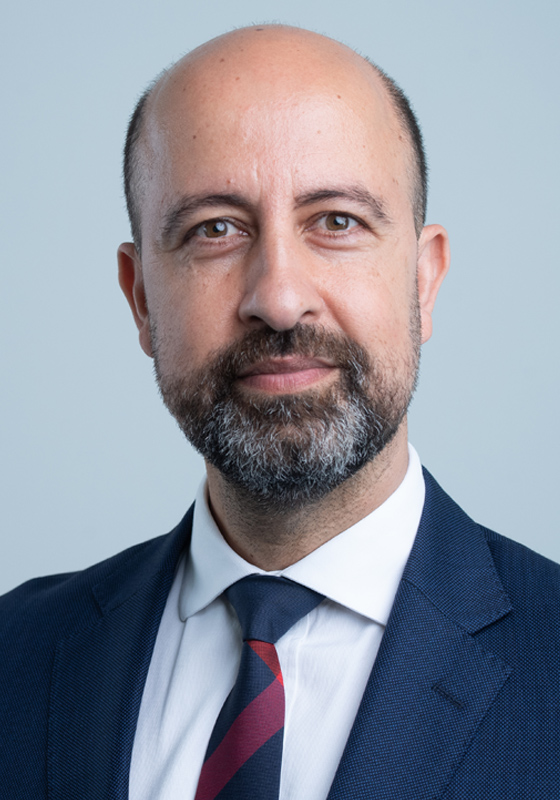
Consultant Paediatric Neurosurgeon
Professor Owase Jeelani
Professor Owase Jeelani is a Consultant Paediatric Neurosurgeon and has worked at Great Ormand Street Hospital for Children (GOSH) part...
Senior Consultant
Mr Tim Lloyd
Mr Lloyd is the Senior Consultant Craniofacial, Oral and Maxillofacial surgeon at the Eastman Dental Hospital and was appointed at...
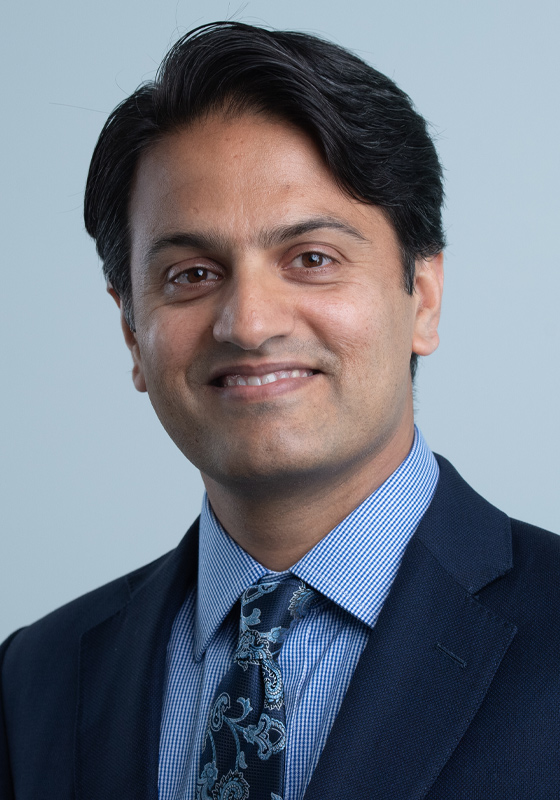
Consultant Paediatric Neurosurgeon
Mr Zubair Tahir
Mr Zubair Tahir is an experienced Consultant Paediatric Neurosurgeon, who is passionate about delivering the highest quality care to all...
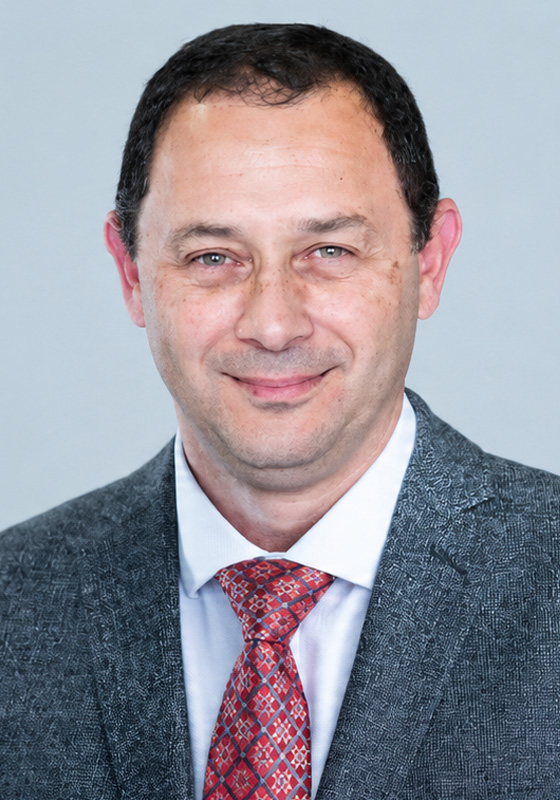
Surgical Lead in Neuro-Oncology
Mr Kristian Aquilina
Mr Kristian Aquilina is the surgical lead for the neuro-oncology department at Great Ormond Street Hospital for Children since 2012....
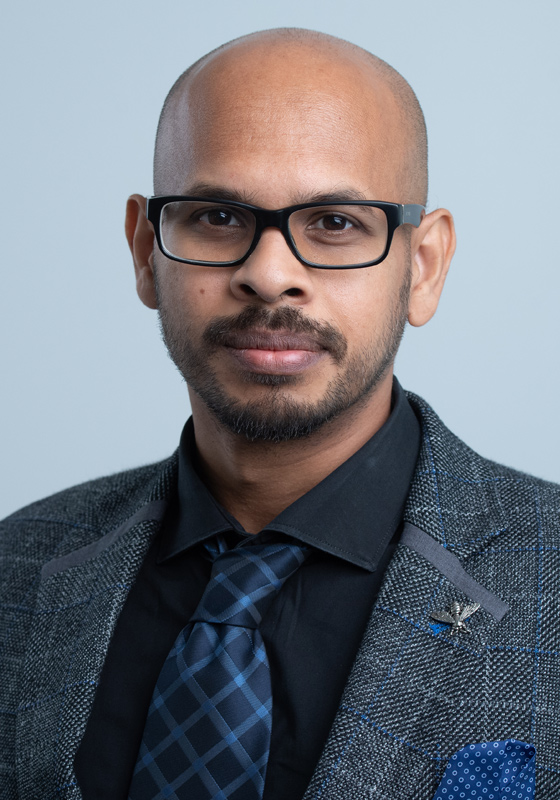
Consultant Paediatric Neurosurgeon
Mr Dulanka Silva
Mr Dulanka Silva is a Consultant Paediatric Neurosurgeon at Great Ormond Street Hospital for Children. In addition to General Paediatric...
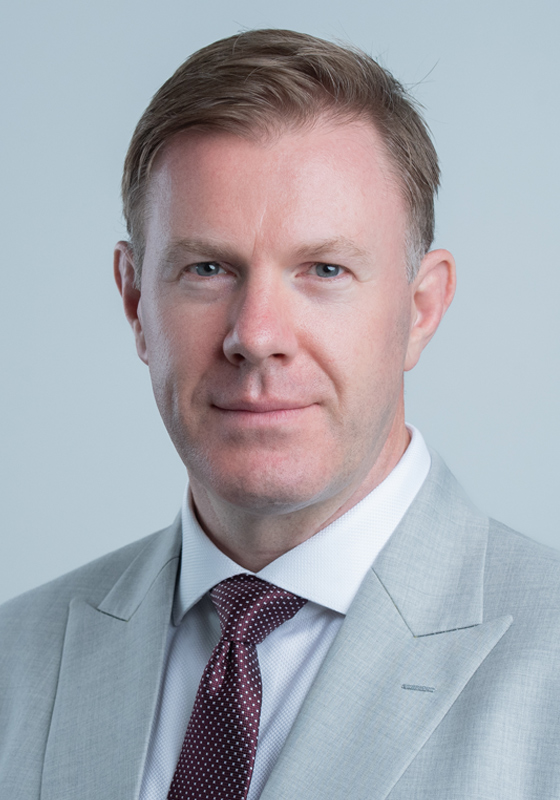
Consultant Plastic, Craniofacial & Aesthetic Surgeon
Mr Graeme Glass
Graeme Glass PhD, FRCS(Plast) MBA is a London trained, internationally respected consultant plastic, craniofacial and aesthetic surgeon.
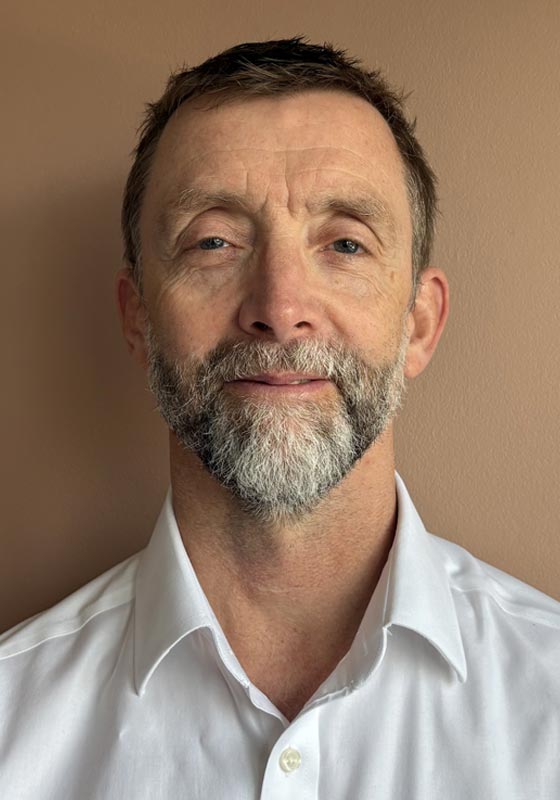
Consultant Psychiatrist
Dr Justin Shute
Dr Justin Shute is a Consultant Liaison Psychiatrist with over 20 years of experience working within Orthognathic and Craniofacial teams....