LCU - Craniofacial & Skull Base Tumours

craniofacial

Craniofacial & Skull Base Tumours

LCU - Craniofacial & Skull Base Tumours

What are Craniofacial Skull Base Tumours?

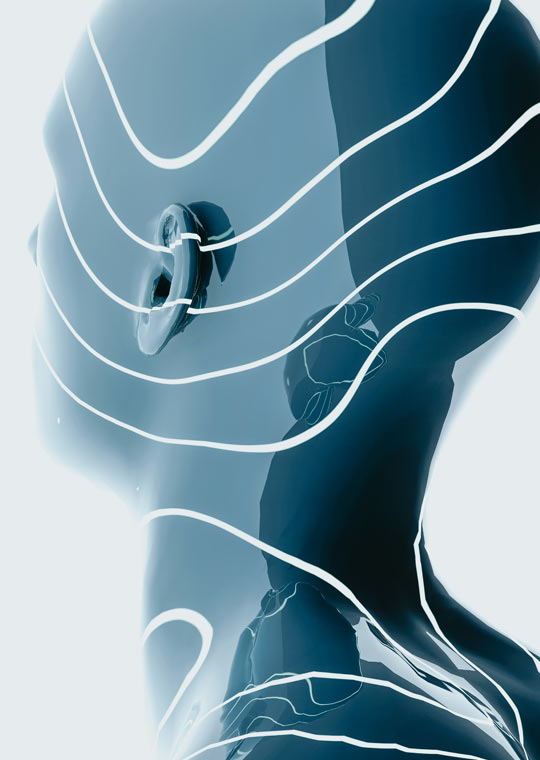
Craniofacial & skull base tumours are abnormal growths that occur at the junction of the skull and face, particularly in the base of the skull where it interfaces with facial structures. These tumours can be benign (non-cancerous) or malignant (cancerous) and may arise from bone, nerve tissue, glandular tissue, or connective tissue. Because of the critical anatomical location, these tumours can significantly impact neurological and facial functions.

The Procedure

How is it Diagnosed?

Diagnosis involves a combination of clinical evaluation, imaging, and sometimes biopsy. Symptoms depend on tumour location and size, and may include headaches, vision or hearing loss, facial pain or numbness, nasal obstruction, or cranial nerve deficits.

  • MRI scans are essential for soft tissue characterization and evaluating the tumour’s relationship with the brain and cranial nerves.
  • CT scans provide detailed images of bone involvement and structural changes in the skull base.
  • Angiography may be used to assess blood vessel involvement.
  • Biopsy is often performed to determine the histological type of tumour, guiding treatment decisions.
  • Endoscopy may be used for visualizing tumours in the nasal or sinus region.

What Are the Causes?

The causes of craniofacial skull base tumours vary depending on the tumour type:

  • Genetic conditions like neurofibromatosis and tuberous sclerosis can predispose individuals to certain skull base tumours.
  • Radiation exposure may increase the risk of some types of skull base tumours.
  • Congenital abnormalities or developmental anomalies may contribute to tumour formation in children.
  • Many cases are sporadic, with no known cause.

What Are the Implications?

Due to their complex location, craniofacial skull base tumours can have serious implications:

  • Neurological impairment from compression or invasion of cranial nerves, resulting in visual, auditory, or facial motor/sensory deficits.
  • Intracranial pressure increases due to tumour growth.
  • Facial disfigurement or deformity, especially with larger or aggressive tumours.
  • Airway or nasal obstruction, impacting breathing and sinus drainage.
  • Cognitive or psychological effects due to visible changes or neurological symptoms.

In malignant cases, there is a risk of local invasion, recurrence, and metastasis.

What Are the Treatment Options?

Treatment depends on the tumour’s type, size, location, and the patient’s overall health.

  • Surgical resection is often the primary treatment, aiming for complete removal while preserving critical structures. Skull base surgery is highly specialized and often performed by a multidisciplinary team including neurosurgeons, ENT surgeons, and plastic surgeons.
  • Minimally invasive techniques, such as endoscopic endonasal approaches, are increasingly used for selected tumours, reducing recovery time and scarring.
  • Radiotherapy, including stereotactic radiosurgery (e.g., Gamma Knife), may be used as a primary treatment for inoperable tumours or as an adjunct after surgery.
  • Chemotherapy is used for certain tumour types, particularly malignant or aggressive variants.
  • Reconstructive surgery may be necessary to restore facial structure and function after tumour removal.

Long-term follow-up with imaging and clinical exams is essential to monitor for recurrence and manage any residual functional deficits. A multidisciplinary approach ensures optimal treatment outcomes and quality of life for affected patients.

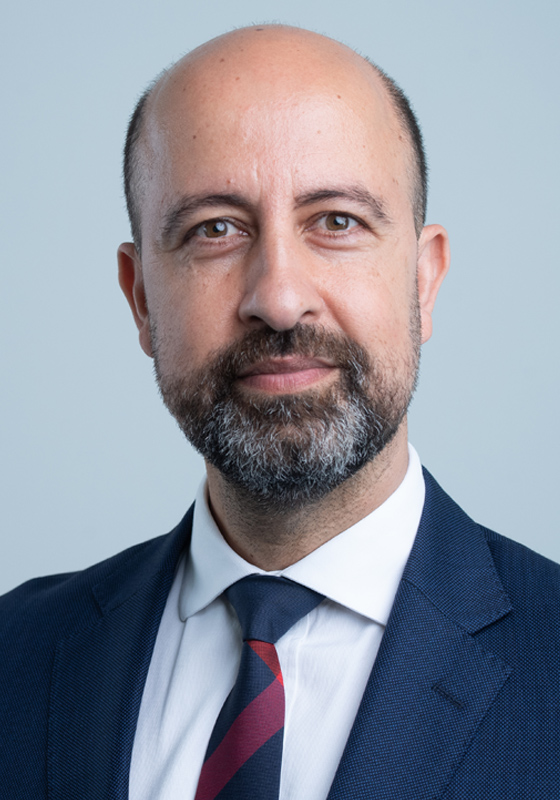
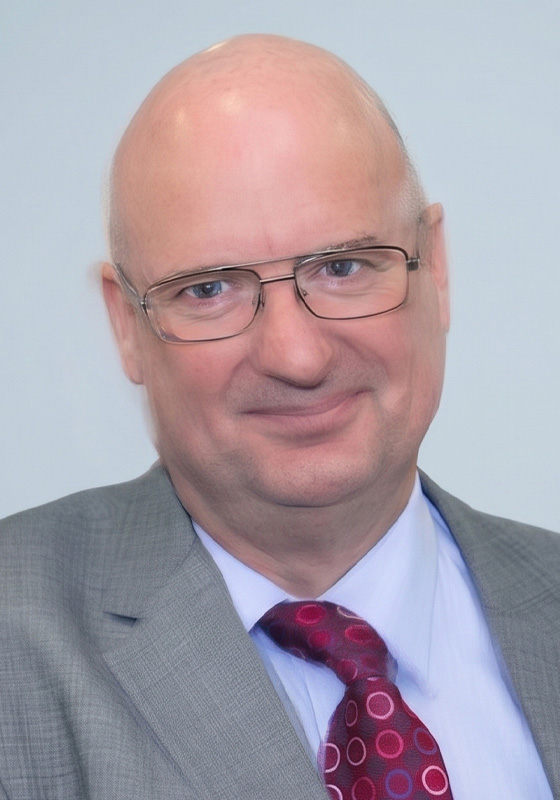
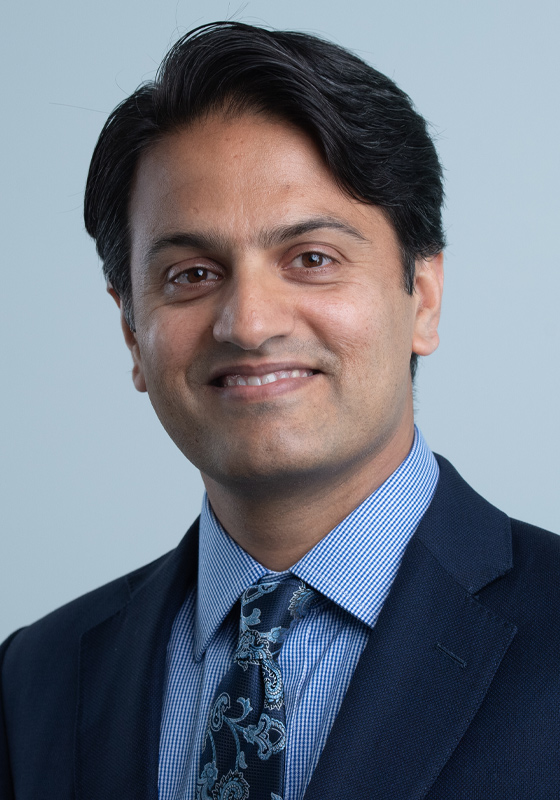
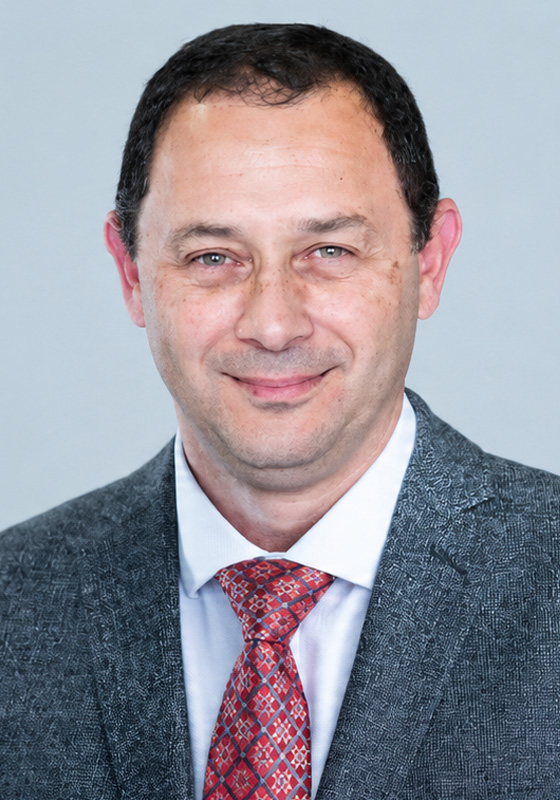
Meet the Surgeons - London Craniofacial Unit

Meet The Clinical Team

Behind every successful outcome is a dedicated team. Meet the clinical team whose expertise and compassion make LCU world-renowned.

Testimonials

We’re proud to have helped patients from across the UK and around the world. Their stories inspire the work we do every day.

Our Locations

Wherever you meet us, you’ll receive the same world-class expertise and compassionate care. Our surgeons work across some of London’s most respected hospitals and private clinics.

Our Locations - London Craniofacial Unit
Great Ormond Street Hospital - London Craniofacial UnitGreat Ormond Street Hospital - London Craniofacial Unit

Great Ormond Street Hospital (GOSH)

Professor David Dunaway and Owase Jeelani lead the world-renowned Craniofacial and Neurosurgery units at GOSH.
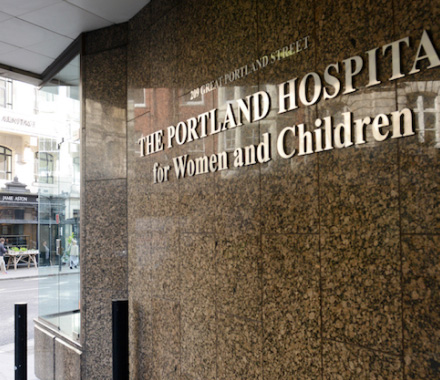
The Portland Hospital - London Craniofacial UnitThe Portland Hospital - London Craniofacial Unit

The Portland Hospital

The Portland is the UK’s largest private children’s hospital with a dedicated paediatric intensive care unit.
LCU - 84 Harley StreetLCU - 84 Harley Street

84 Harley Street

LCU take full advantage of this location to consult with patients in a relaxed environment.
LCU - 152 Harley StreetLCU - 152 Harley Street

152 Harley Street

Specialist consultations and advanced diagnostics in London’s leading medical district.
LCU - Weymouth Street HospitalLCU - Weymouth Street Hospital

Weymouth Street Hospital

LCU procedures are carried out at Weymouth Street Hospital’s advanced, patient-centred facilities.
LCU - The London ClinicLCU - The London Clinic

The London Clinic

The London Clinic is one of the UK’s leading private hospitals, located in central London near Harley Street.
LCU - The Wellington HospitalLCU - The Wellington Hospital

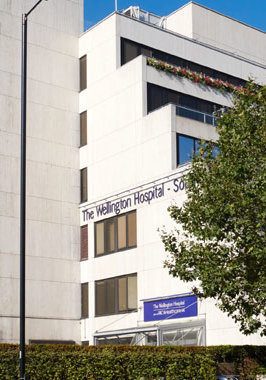
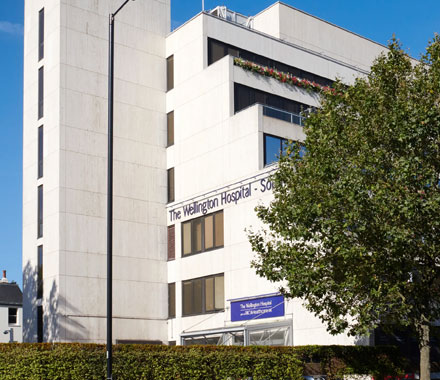
The Wellington Hospital

LCU performs their general anaesthesia adult plastic & reconstructive procedures here.

Download our brochure for more information

The home of LCU — a world-leading centre for complex Craniofacial and Reconstructive Surgery.