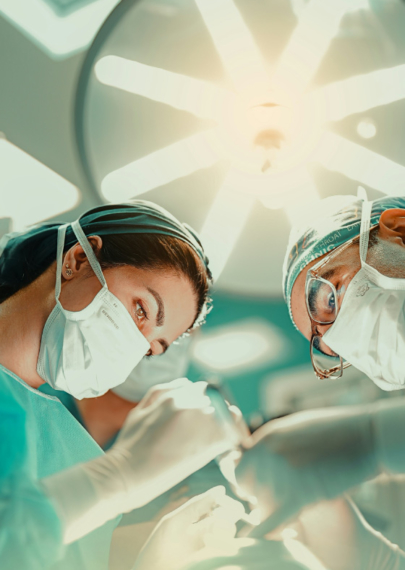
Epilepsy surgery is a treatment for drug-resistant epilepsy that involves removing or altering the specific brain area where seizures originate. It is primarily considered for individuals whose seizures are confined to one part of the brain and are not controlled after trying two or more anti-seizure medications.
epilepsy
Epilepsy Surgery
The Procedures
Resective Surgery: The most common approach. It involves cutting out a small, non-critical portion of brain tissue where seizures start (like resection of dysplasia, tumour or cavernoma presenting with seizures). Sometimes surgery requires removal of larger areas (frontal lobectomy, temporal lobectomy).
Disconnection procedures: Rather than removing tissue, this cuts the nerve fibres connecting the hemispheres of the brain to prevent seizures from spreading. Examples are Corpus Callosotomy, hemispherotomy, and TOP surgery.
Neuromodulation: Involves implanting devices—such as a Vagus Nerve Stimulator (VNS), that send electrical impulses to disrupt seizure-causing brain activity
Laser Interstitial Thermal Therapy (LITT): A minimally invasive procedure that uses a laser guided by MRI to destroy the targeted seizure-causing tissue without making a large opening in the skull.
Invasive monitoring (SEEG): When seizures are difficult to lateralise and localise on basis of scalp EEG and MRI scan, there is an option of putting robotic guided deep electrodes in brain a procedure know as stereo EEG (SEEG).
Benefits
Benefits & Success Rates
Outcomes vary based on the type of epilepsy and the surgery performed. However, in resective surgery, approximately 80% of individuals become entirely seizure-free, and another 10% to 15% experience a significant reduction in seizure frequency.
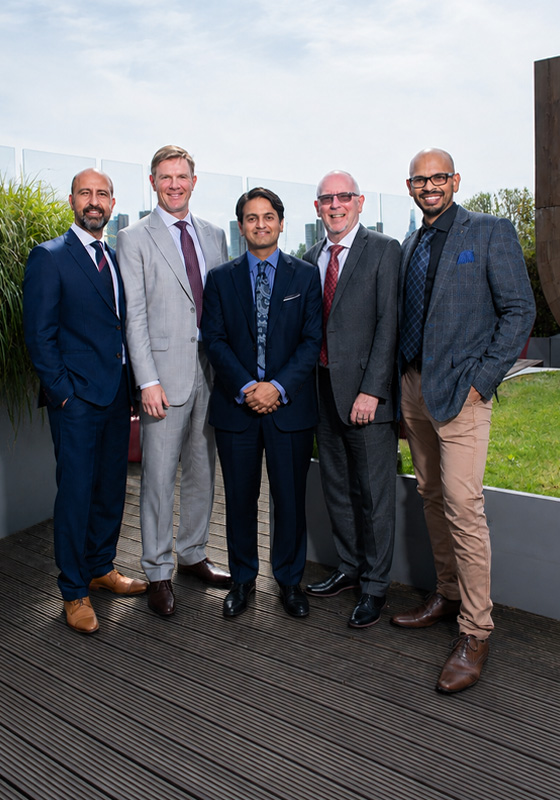
Meet The Clinical Team
Behind every successful outcome is a dedicated team. Meet the clinical team whose expertise and compassion make LCU world-renowned.
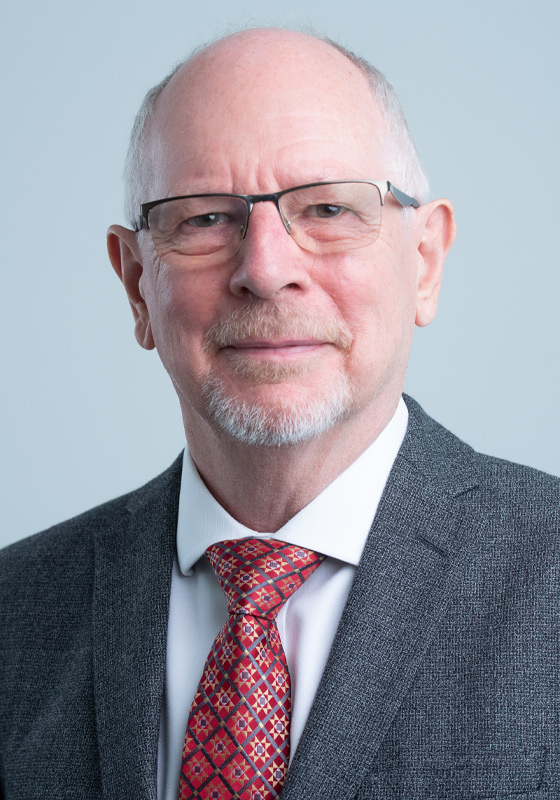
Plastic & Craniofacial Surgeon
Professor David Dunaway
Bringing decades of experience in complex Craniofacial and reconstructive surgery.
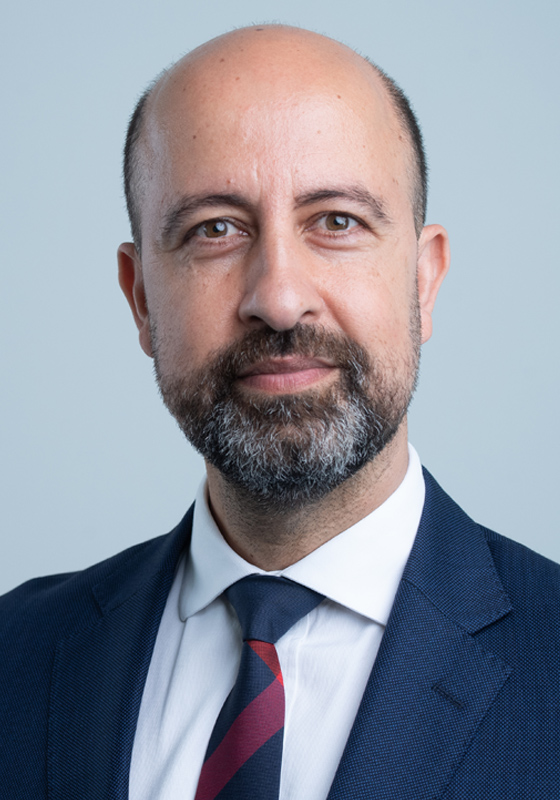
Consultant Paediatric Neurosurgeon
Professor Owase Jeelani
Professor Owase Jeelani is a Consultant Paediatric Neurosurgeon and has worked at Great Ormand Street Hospital for Children (GOSH) part...
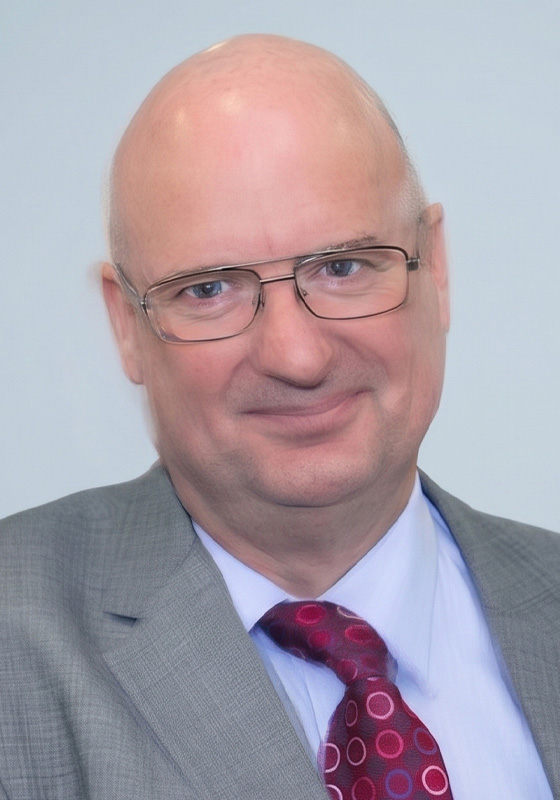
Senior Consultant
Mr Tim Lloyd
Mr Lloyd is the Senior Consultant Craniofacial, Oral and Maxillofacial surgeon at the Eastman Dental Hospital and was appointed at...
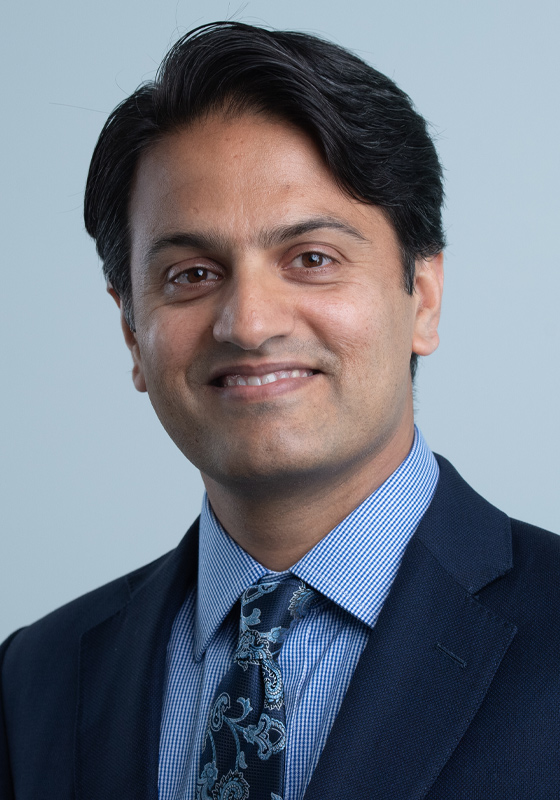
Consultant Paediatric Neurosurgeon
Mr Zubair Tahir
Mr Zubair Tahir is an experienced Consultant Paediatric Neurosurgeon, who is passionate about delivering the highest quality care to all...
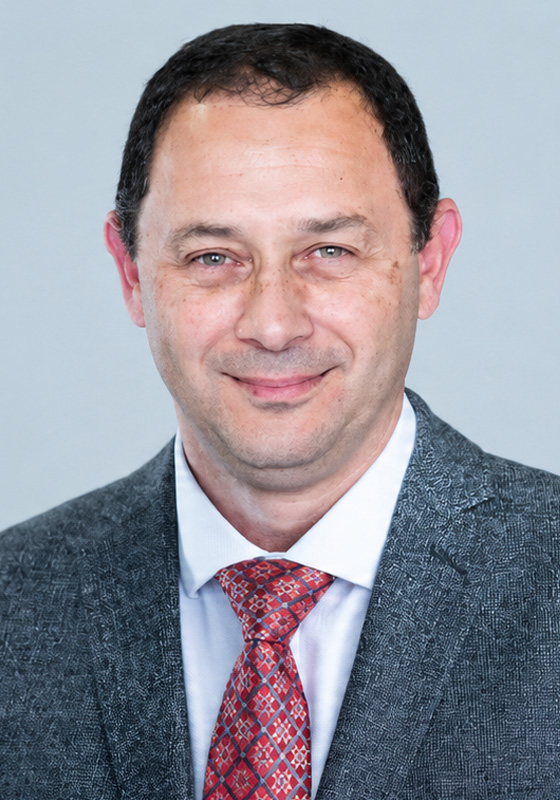
Surgical Lead in Neuro-Oncology
Mr Kristian Aquilina
Mr Kristian Aquilina is the surgical lead for the neuro-oncology department at Great Ormond Street Hospital for Children since 2012....
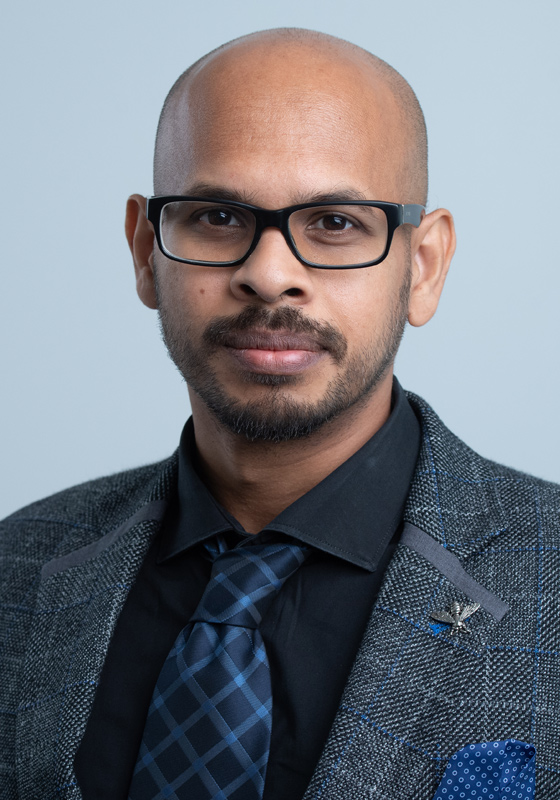
Consultant Paediatric Neurosurgeon
Mr Dulanka Silva
Mr Dulanka Silva is a Consultant Paediatric Neurosurgeon at Great Ormond Street Hospital for Children. In addition to General Paediatric...
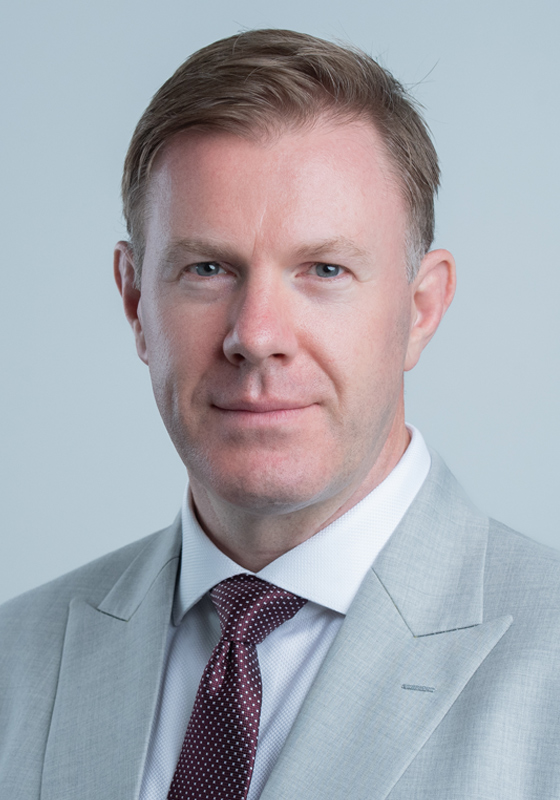
Consultant Plastic, Craniofacial & Aesthetic Surgeon
Mr Graeme Glass
Graeme Glass PhD, FRCS(Plast) MBA is a London trained, internationally respected consultant plastic, craniofacial and aesthetic surgeon.
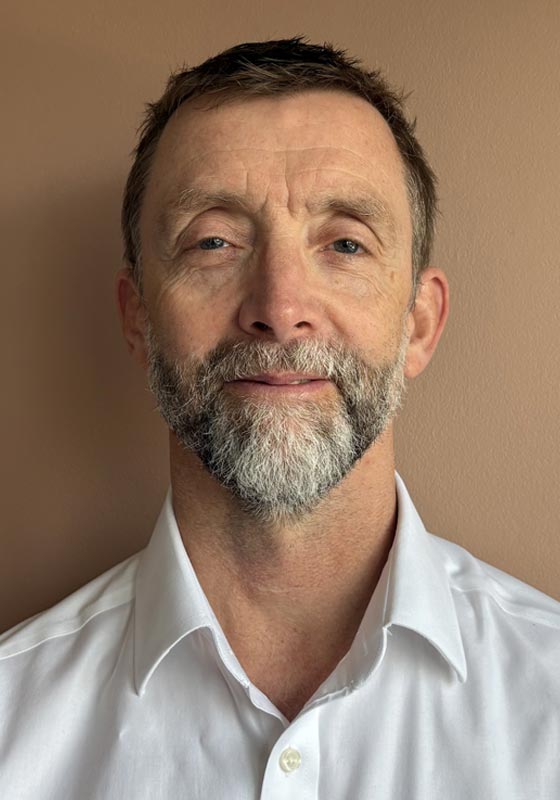
Consultant Psychiatrist
Dr Justin Shute
Dr Justin Shute is a Consultant Liaison Psychiatrist with over 20 years of experience working within Orthognathic and Craniofacial teams....