
LCU - Treacher Collins Syndrome

craniofacial

Treacher Collins Syndrome

LCU - Treacher Collins Syndrome

What is Treacher Collins Syndrome?

Treacher Collins Syndrome (TCS) is a rare genetic disorder that affects the development of bones and other tissues in the face. It is a congenital condition, meaning it is present at birth, and varies in severity among individuals. The hallmark features of TCS include underdeveloped cheekbones, jaw, and chin (mandibular hypoplasia), downward-slanting eyes, notched lower eyelids (colobomas), and malformed or absent ears (microtia or anotia), often leading to hearing loss. While appearance is affected, intelligence and cognitive development are typically normal.

The Procedure

How is it Diagnosed?

Diagnosis of Treacher Collins Syndrome can occur before or after birth.

  • Prenatal diagnosis may be possible through high-resolution ultrasound if facial anomalies are visible, especially in families with a known history of TCS. Genetic testing via amniocentesis or chorionic villus sampling can confirm the diagnosis.
  • Postnatal diagnosis is based on clinical features and confirmed with genetic testing to identify mutations in one of the associated genes. A detailed physical examination and imaging studies, such as X-rays or CT scans, help evaluate bone structure and plan treatment.

Audiological assessments and ophthalmologic evaluations are also part of the diagnostic workup to determine the extent of hearing and vision involvement.

What Are the Causes?

TCS is caused by mutations in one of several genes, most commonly the TCOF1 gene, though POLR1C and POLR1D mutations can also be responsible. These genes are involved in the development of facial bones and tissues. The mutations reduce the production of proteins necessary for the proper formation of craniofacial structures.

Most cases (over 60%) arise from new (de novo) mutations with no family history, while others follow an autosomal dominant or autosomal recessive inheritance pattern, depending on the gene involved. A parent with TCS has a 50% chance of passing the condition to their child.

What Are the Implications?

Treacher Collins Syndrome can significantly impact quality of life due to both functional and aesthetic challenges:

  • Breathing and feeding difficulties, especially in infants, due to small jaw and airway obstruction.
  • Hearing loss from malformed or absent ear structures and ossicles.
  • Speech and language delays, often secondary to hearing impairment.
  • Dental abnormalities, including misaligned teeth and cleft palate.
  • Psychosocial challenges, including social stigma and self-esteem issues related to facial appearance.

Despite these challenges, many individuals with TCS lead full and productive lives with proper medical support.

What Are the Treatment Options?

Treatment for TCS is tailored to each individual’s specific needs and involves a multidisciplinary approach:

  • Airway management, including positioning or surgical intervention (e.g., tracheostomy), especially in newborns with severe mandibular hypoplasia.
  • Hearing support, such as bone-anchored hearing aids or middle ear reconstruction.
  • Reconstructive surgeries to correct facial bone deficiencies, ear anomalies, and cleft palate. These are often staged throughout childhood and adolescence.
  • Speech and language therapy for communication development.
  • Psychosocial support, including counselling and support groups, is vital for coping with social and emotional aspects.

Regular monitoring and coordinated care by craniofacial teams—including ENT specialists, audiologists, plastic surgeons, orthodontists, and speech therapists—are essential for managing the long-term needs of individuals with Treacher Collins Syndrome.

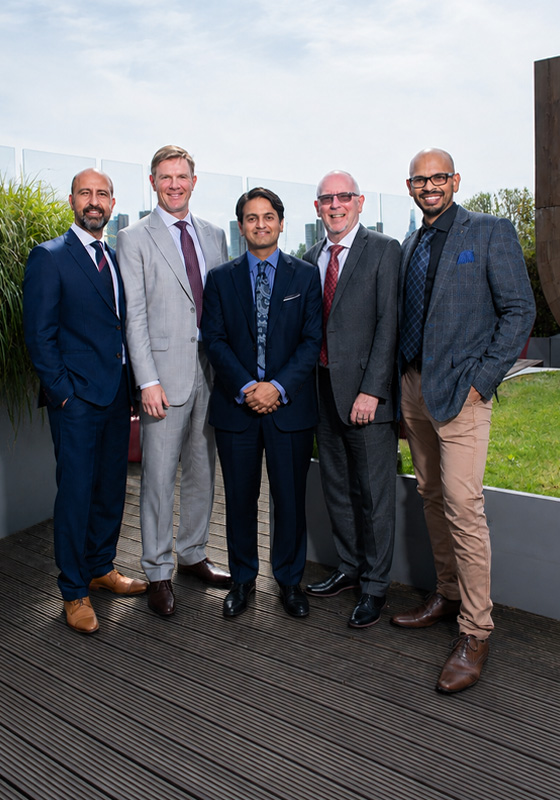
Meet the Surgeons - London Craniofacial Unit

Meet The Clinical Team

Behind every successful outcome is a dedicated team. Meet the clinical team whose expertise and compassion make LCU world-renowned.

Testimonials

We’re proud to have helped patients from across the UK and around the world. Their stories inspire the work we do every day.

Our Locations

Wherever you meet us, you’ll receive the same world-class expertise and compassionate care. Our surgeons work across some of London’s most respected hospitals and private clinics.

Our Locations - London Craniofacial Unit
Great Ormond Street Hospital - London Craniofacial UnitGreat Ormond Street Hospital - London Craniofacial Unit

Great Ormond Street Hospital (GOSH)

Professor David Dunaway and Owase Jeelani lead the world-renowned Craniofacial and Neurosurgery units at GOSH.
The Portland Hospital - London Craniofacial UnitThe Portland Hospital - London Craniofacial Unit

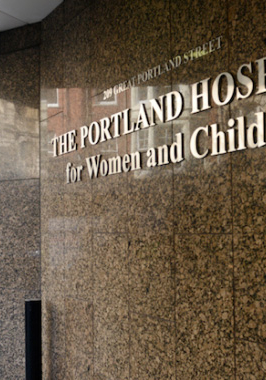
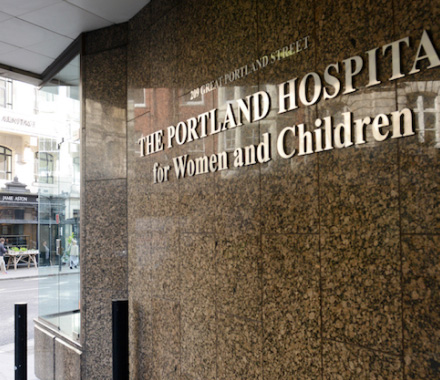
The Portland Hospital

The Portland is the UK’s largest private children’s hospital with a dedicated paediatric intensive care unit.
LCU - 84 Harley StreetLCU - 84 Harley Street

84 Harley Street

LCU take full advantage of this location to consult with patients in a relaxed environment.
LCU - 152 Harley StreetLCU - 152 Harley Street

152 Harley Street

Specialist consultations and advanced diagnostics in London’s leading medical district.
LCU - Weymouth Street HospitalLCU - Weymouth Street Hospital

Weymouth Street Hospital

LCU procedures are carried out at Weymouth Street Hospital’s advanced, patient-centred facilities.
LCU - The London ClinicLCU - The London Clinic

The London Clinic

The London Clinic is one of the UK’s leading private hospitals, located in central London near Harley Street.
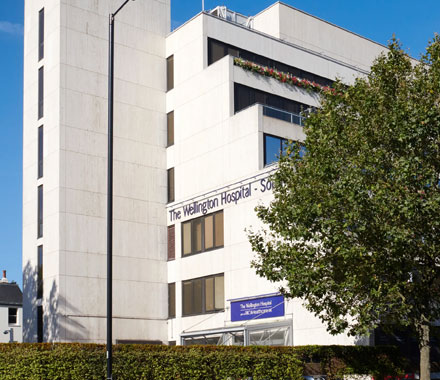
LCU - The Wellington HospitalLCU - The Wellington Hospital

The Wellington Hospital

LCU performs their general anaesthesia adult plastic & reconstructive procedures here.

Download our brochure for more information

The home of LCU — a world-leading centre for complex Craniofacial and Reconstructive Surgery.