LCU - Complex Craniofacial Clefts

craniofacial

Complex Craniofacial Clefts

LCU - Complex Craniofacial Clefts

What are Complex Craniofacial Clefts?

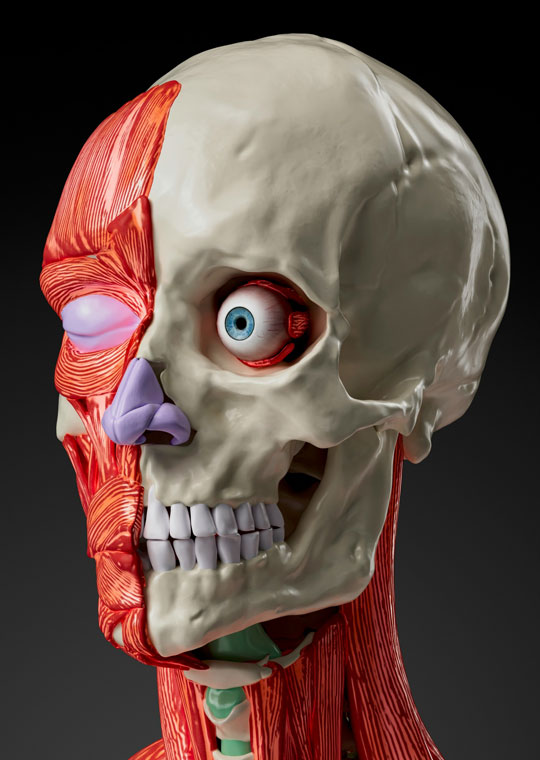
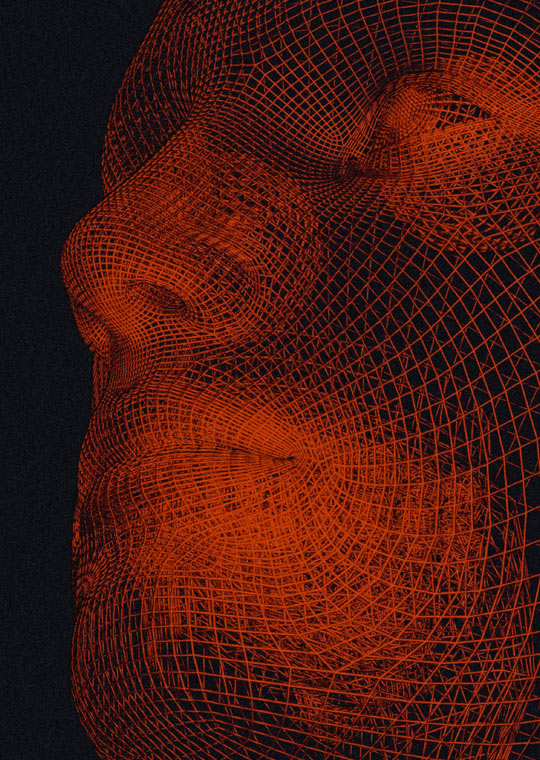
Complex craniofacial clefts are rare congenital deformities that involve abnormal gaps or fissures in the bones and soft tissues of the face and skull. Unlike typical cleft lip and palate, these clefts can affect a broader range of facial structures, including the eyes, nose, forehead, and skull. They are often categorized using the Tessier classification system, which maps clefts according to anatomical location, from the midline of the face (Tessier 0) to lateral and cranial clefts (up to Tessier 14). These anomalies may occur alone or as part of a syndrome and often require highly specialized care.
The Procedure

How is it Diagnosed?

Diagnosis of complex craniofacial clefts is typically made at birth or during prenatal ultrasounds in severe cases. A detailed physical examination is conducted to assess the extent and location of the cleft. Advanced imaging techniques such as CT or MRI scans are used to understand the bony and soft tissue anatomy, guide surgical planning, and detect associated brain or eye abnormalities. Genetic testing and consultation may be recommended to identify any underlying syndromes or chromosomal abnormalities.

What Are the Causes?

The exact causes of complex craniofacial clefts are not fully understood, but they are believed to result from disruptions during early facial development in the embryo. Potential causes include:

  • Genetic mutations or chromosomal abnormalities
  • Environmental factors, such as maternal exposure to certain drugs, alcohol, or infections
  • Vascular disruptions during fetal development
  • Syndromic associations, such as frontonasal dysplasia or amniotic band syndrome

Most cases occur sporadically, though some may have a hereditary component or be part of a broader syndrome.

What Are the Implications?

The implications of complex craniofacial clefts are extensive and can affect function, appearance, and psychological well-being. Depending on the location and severity, individuals may experience:

  • Facial asymmetry and disfigurement
  • Difficulty with feeding, speech, and breathing
  • Vision impairment due to orbital involvement
  • Brain or skull anomalies affecting neurological development
  • Social and emotional challenges related to appearance and communication

These clefts often require long-term, comprehensive care that extends well into adolescence and adulthood.

What Are the Treatment Options?

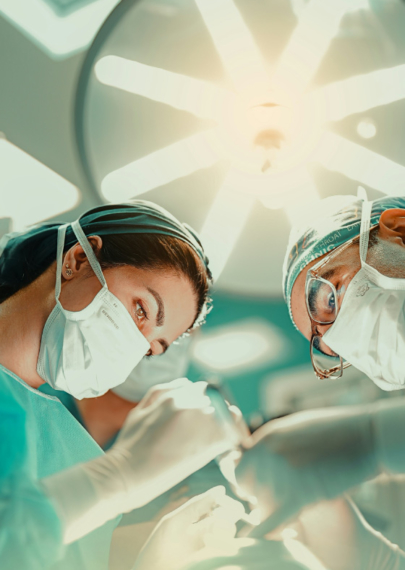
Treatment of complex craniofacial clefts involves a multidisciplinary approach tailored to each patient’s specific needs. Care is usually provided by a team including craniofacial surgeons, neurosurgeons, ophthalmologists, orthodontists, speech therapists, and psychologists.

Key treatment components include:

  • Surgical reconstruction: Multiple staged surgeries are often required to close the cleft, restore function, and improve appearance. These may involve soft tissue repair, bone grafting, and cranial remodelling.
  • Orthodontic and dental care: To align the teeth and jaws and support facial structure
  • Vision and hearing support: Especially when the cleft affects the orbits or auditory canals
  • Speech and feeding therapy: To support communication and nutrition
  • Psychosocial support: Counselling and social services to address emotional and developmental needs
    Reconstruction typically begins in infancy and continues through the growing years, with the timing and sequence of procedures carefully planned for optimal results.

With coordinated and skilled care, many children with complex craniofacial clefts achieve significant functional improvement and enhanced quality of life.

Meet the Surgeons - London Craniofacial Unit

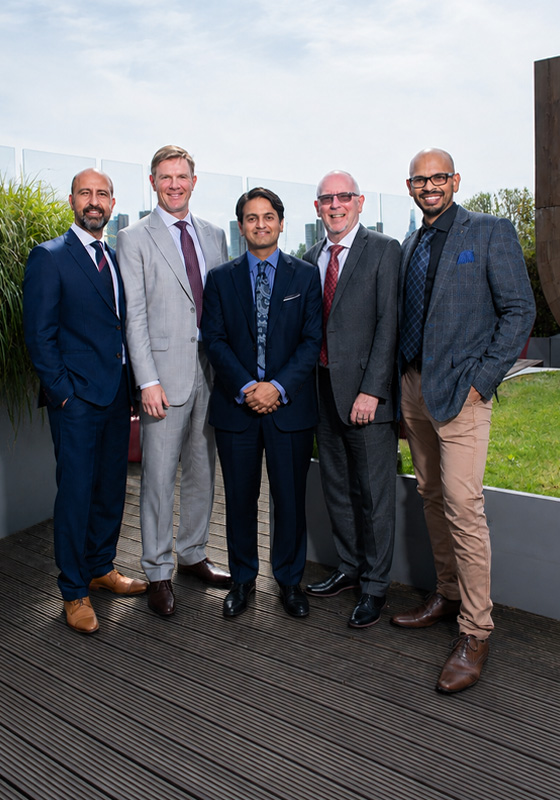
Meet The Clinical Team

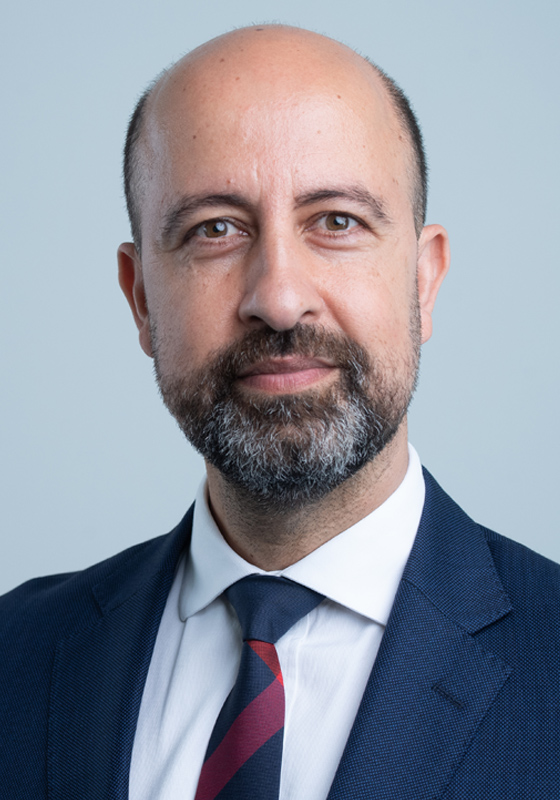
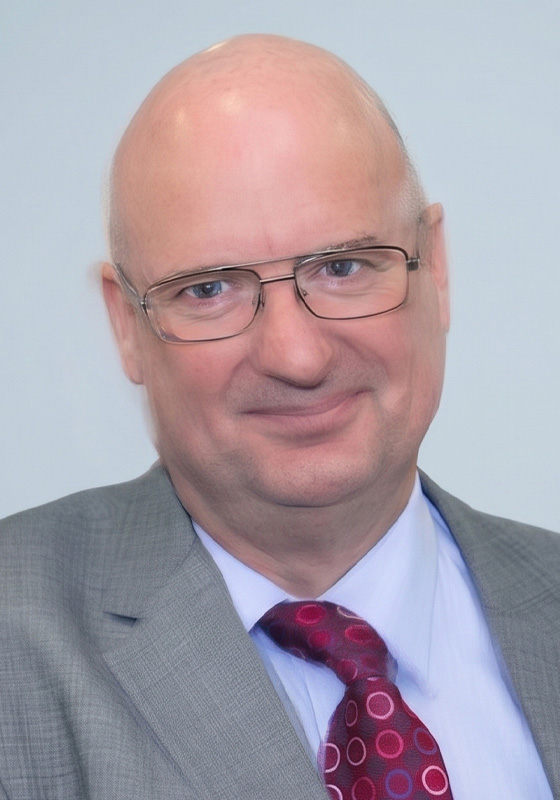
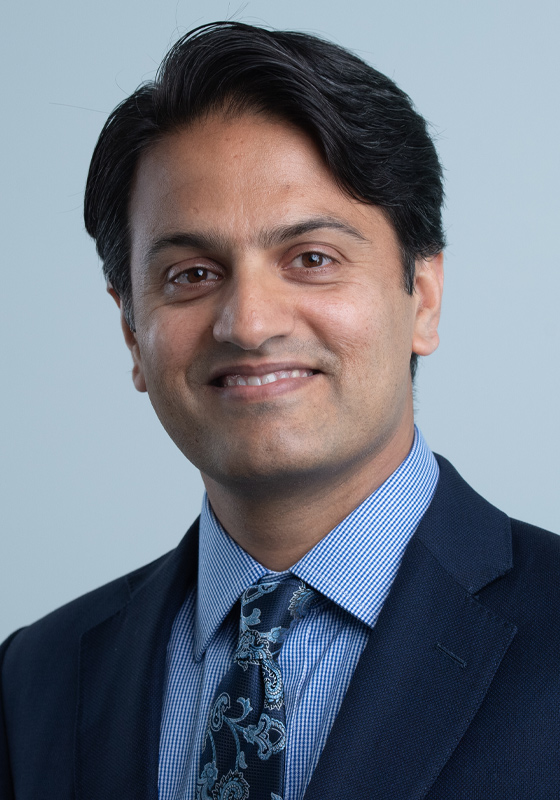
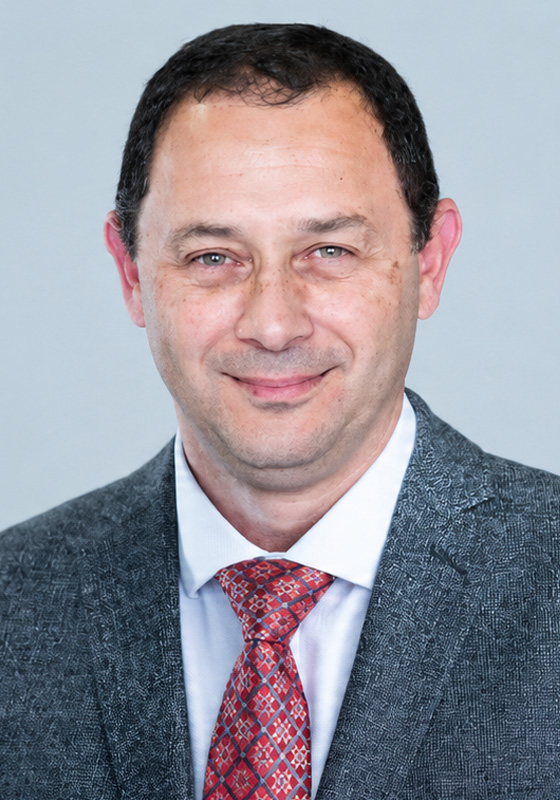
Behind every successful outcome is a dedicated team. Meet the clinical team whose expertise and compassion make LCU world-renowned.

Testimonials

We’re proud to have helped patients from across the UK and around the world. Their stories inspire the work we do every day.

Our Locations

Wherever you meet us, you’ll receive the same world-class expertise and compassionate care. Our surgeons work across some of London’s most respected hospitals and private clinics.

Our Locations - London Craniofacial Unit
Great Ormond Street Hospital - London Craniofacial UnitGreat Ormond Street Hospital - London Craniofacial Unit

Great Ormond Street Hospital (GOSH)

Professor David Dunaway and Owase Jeelani lead the world-renowned Craniofacial and Neurosurgery units at GOSH.
The Portland Hospital - London Craniofacial UnitThe Portland Hospital - London Craniofacial Unit

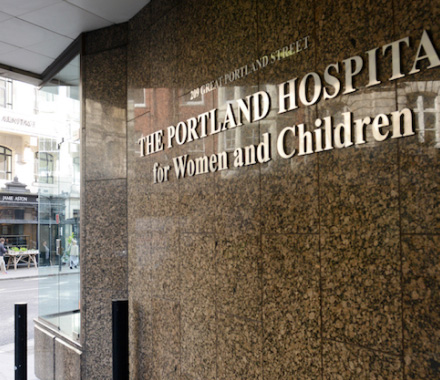
The Portland Hospital

The Portland is the UK’s largest private children’s hospital with a dedicated paediatric intensive care unit.
LCU - 84 Harley StreetLCU - 84 Harley Street

84 Harley Street

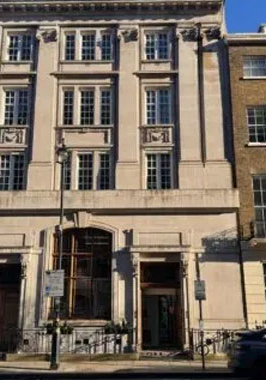
LCU take full advantage of this location to consult with patients in a relaxed environment.
LCU - 152 Harley StreetLCU - 152 Harley Street

152 Harley Street

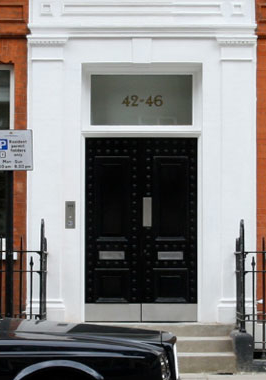
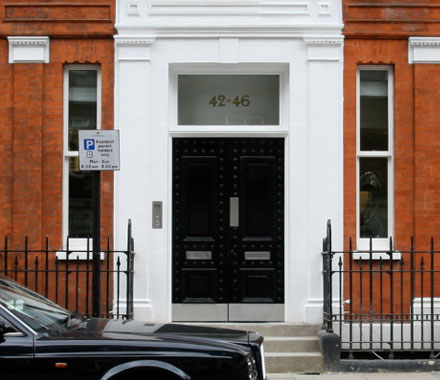
Specialist consultations and advanced diagnostics in London’s leading medical district.
LCU - Weymouth Street HospitalLCU - Weymouth Street Hospital

Weymouth Street Hospital

LCU procedures are carried out at Weymouth Street Hospital’s advanced, patient-centred facilities.
LCU - The London ClinicLCU - The London Clinic

The London Clinic

The London Clinic is one of the UK’s leading private hospitals, located in central London near Harley Street.
LCU - The Wellington HospitalLCU - The Wellington Hospital

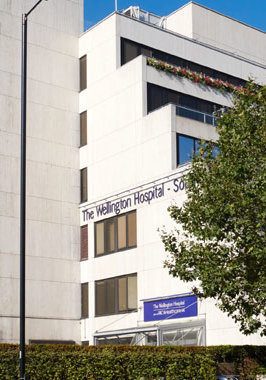
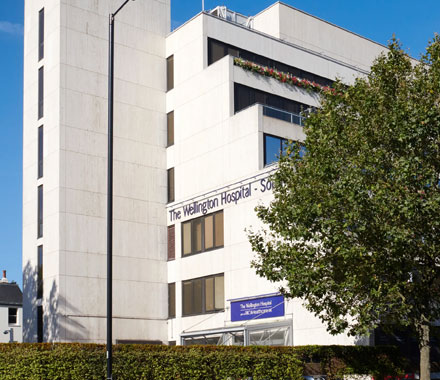
The Wellington Hospital

LCU performs their general anaesthesia adult plastic & reconstructive procedures here.

Download our brochure for more information

The home of LCU — a world-leading centre for complex Craniofacial and Reconstructive Surgery.