LCU - Metopic Craniosynostosis

craniofacial

Metopic Craniosynostosis

LCU - Metopic Craniosynostosis

What is Metopic Craniosynostosis?

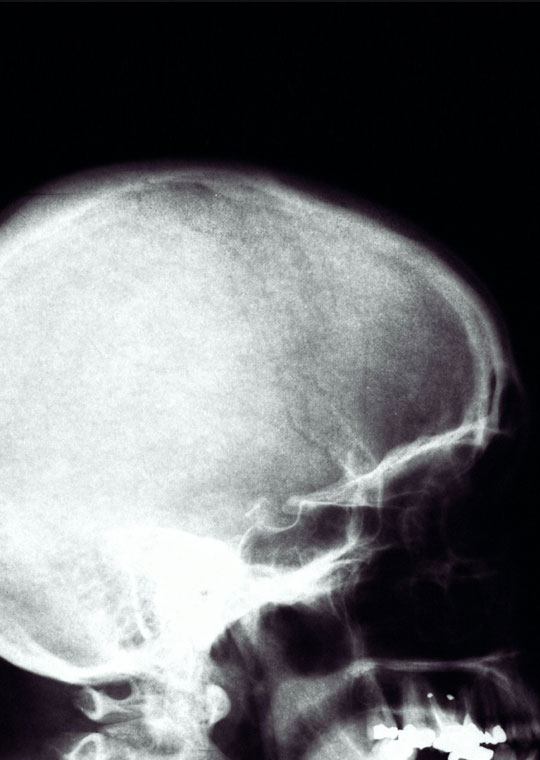
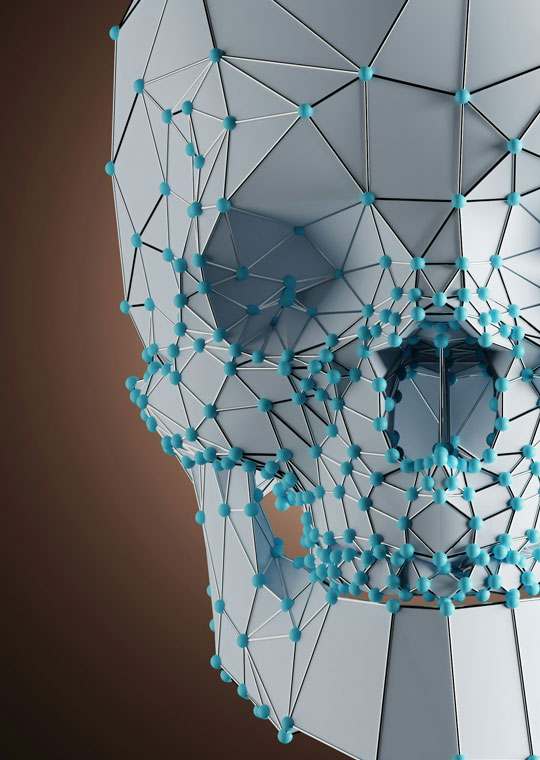
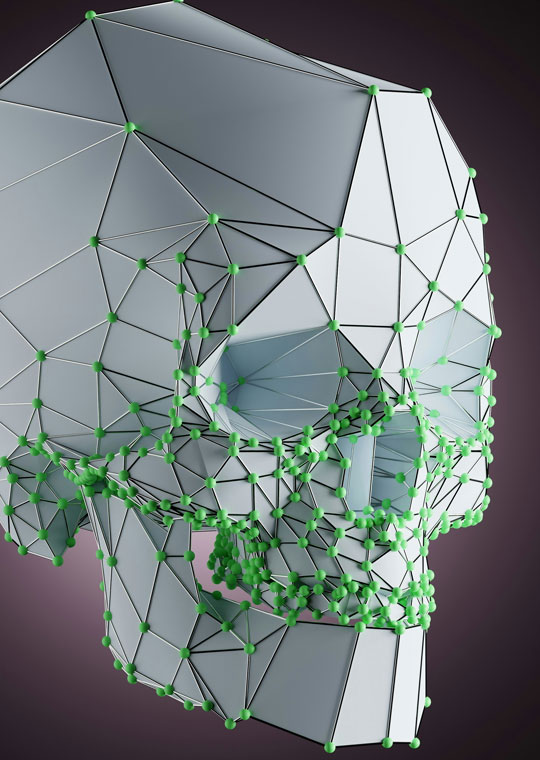
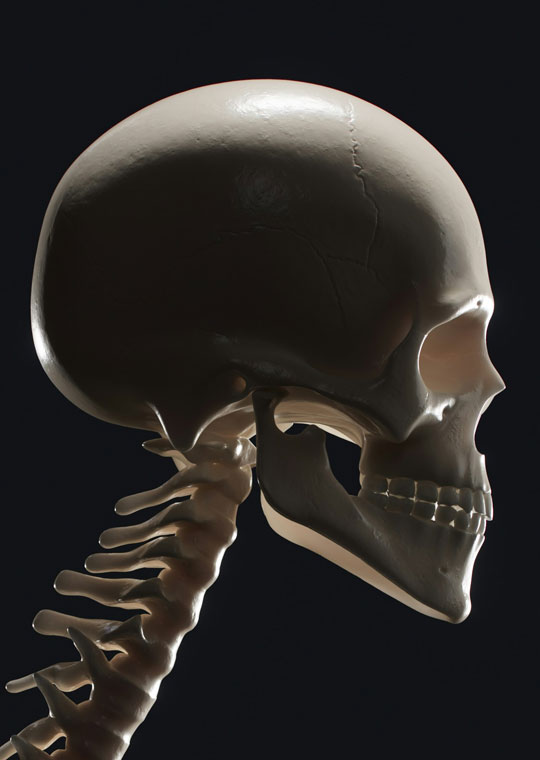
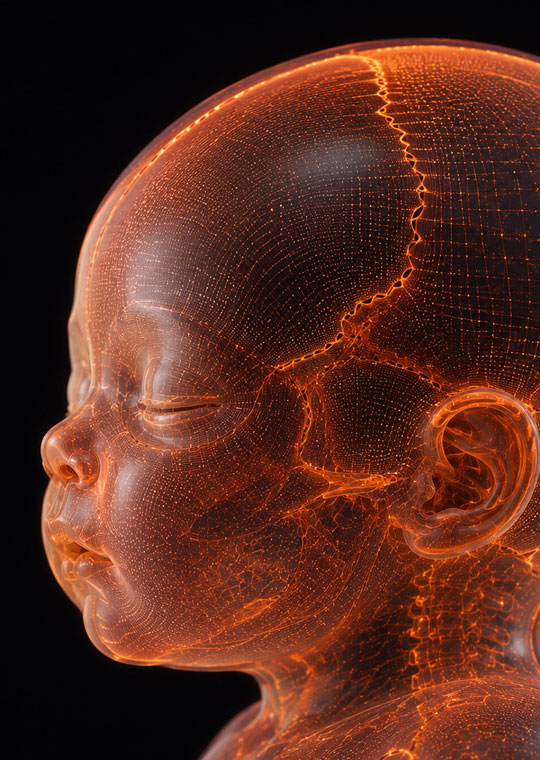
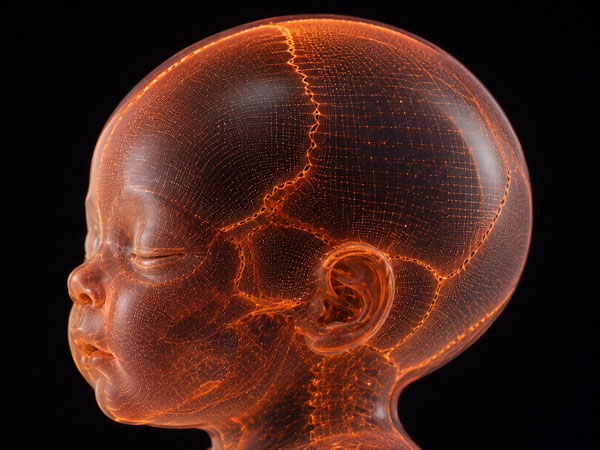
Metopic craniosynostosis is a condition where the metopic suture, which runs from the top of the head down the middle of the forehead to the nose, closes too early. This premature fusion restricts the normal growth of the forehead and leads to a triangular-shaped forehead, a condition known as trigonocephaly. In addition to the forehead narrowing, the eyes may appear closer together (hypotelorism), and ridging along the metopic suture may be visible or palpable.

The Procedure

How is it Diagnosed?

Diagnosis of metopic craniosynostosis is typically based on the appearance of the skull and forehead. A noticeable ridge along the metopic suture, combined with the triangular forehead and closely spaced eyes, often raises clinical suspicion. A physical examination is usually the first step, followed by imaging studies. A CT scan with 3D reconstruction is commonly used to confirm the diagnosis, showing the premature closure of the metopic suture and the associated skull deformity. In some cases, an MRI may be used to evaluate the brain and rule out other anomalies.

What Are the Causes?

The exact cause of metopic craniosynostosis is not well understood, and in most cases, it occurs sporadically without a clear genetic link. However, some cases are associated with genetic syndromes and other craniofacial disorders. Environmental factors and intrauterine constraints have also been proposed as possible contributing factors. Genetic testing may be recommended if there are other clinical signs suggesting a syndromic cause.

What Are the Implications?

The implications of metopic craniosynostosis vary depending on the severity of the condition. In mild cases, the cosmetic impact may be the primary concern, with little to no effect on brain development.

Aesthetic concerns also play a significant role, as the triangular forehead and closely set eyes can affect the child’s appearance and potentially lead to psychosocial issues later in life. Neuro developmental issues and learning difficulties are rare in isolated metopic craniosynostosis.

What Are the Treatment Options?

Not all cases of metopic craniosynostosis require surgical intervention, and there is good evidence that the condition improve spontaneously with time. Surgical correction is the standard treatment for metopic craniosynostosis, especially in moderate to severe cases. The goal of surgery is to correct the forehead shape.

  1. Fronto-Orbital Advancement and Remodeling (FOAR): This traditional approach involves reshaping the bones of the forehead and upper eye sockets. It is usually performed between 12 and 18 months of age.
  2. Endoscopic-Assisted Surgery: For infants diagnosed early (typically under 6 months of age), a less invasive option involves removing the fused suture through small incisions. Helmet therapy is then used postoperatively to guide skull growth.

What Are the Possible Complications?

As with any surgery, there are risks associated with treatment:

  • Infection or bleeding
  • Reaction to anesthesia
  • Residual or recurrent skull deformity
  • Increased intracranial pressure (rare)
  • Need for additional surgeries

Despite these risks, most children who receive timely and appropriate surgical treatment for metopic craniosynostosis experience positive outcomes, both cosmetically and functionally.

Meet the Surgeons - London Craniofacial Unit

Meet The Clinical Team

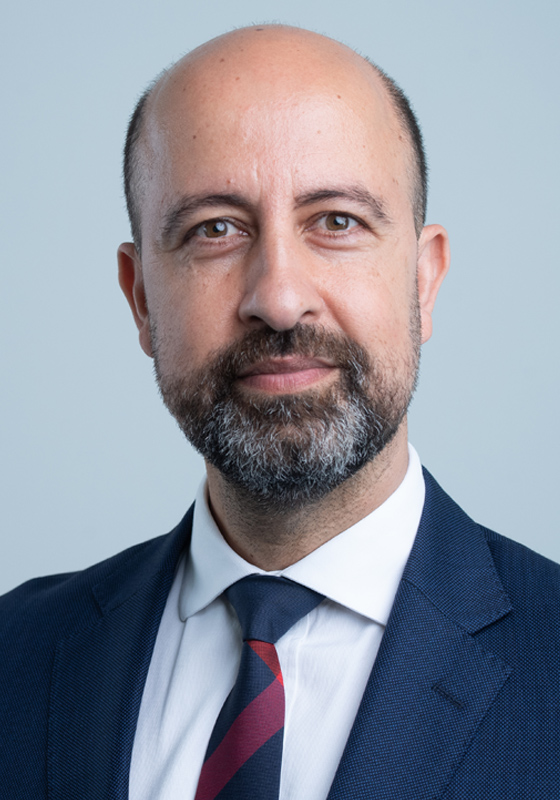
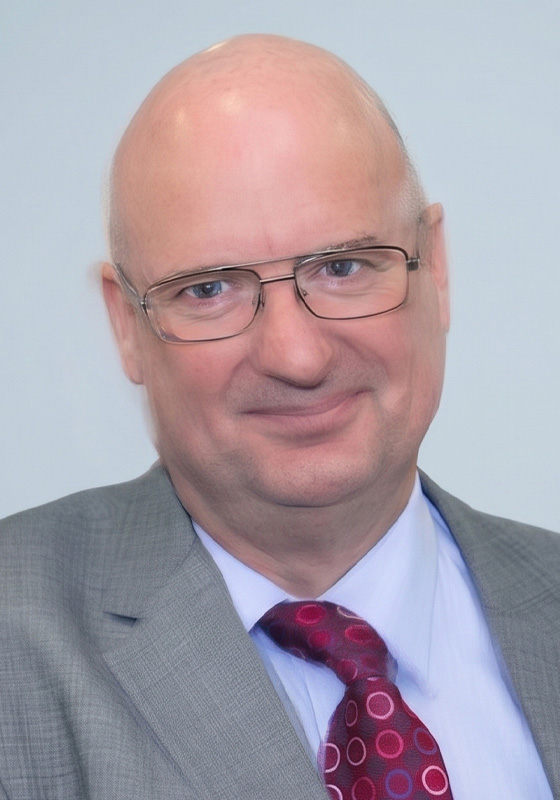
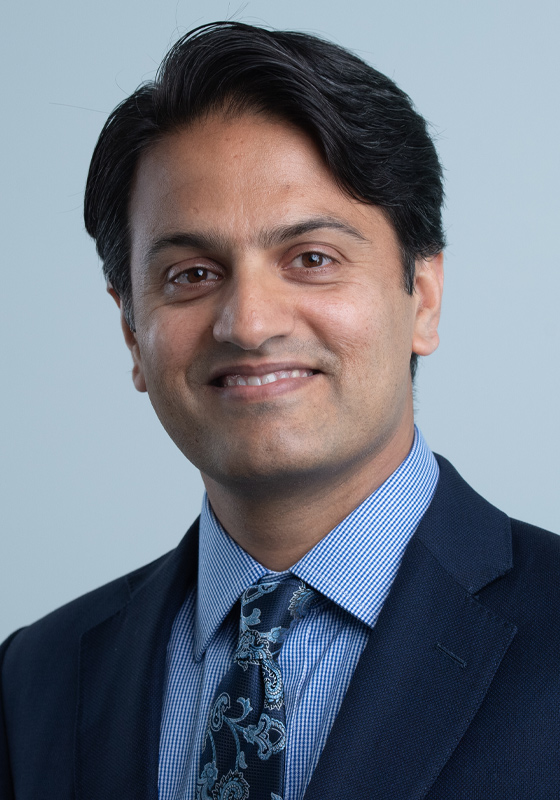
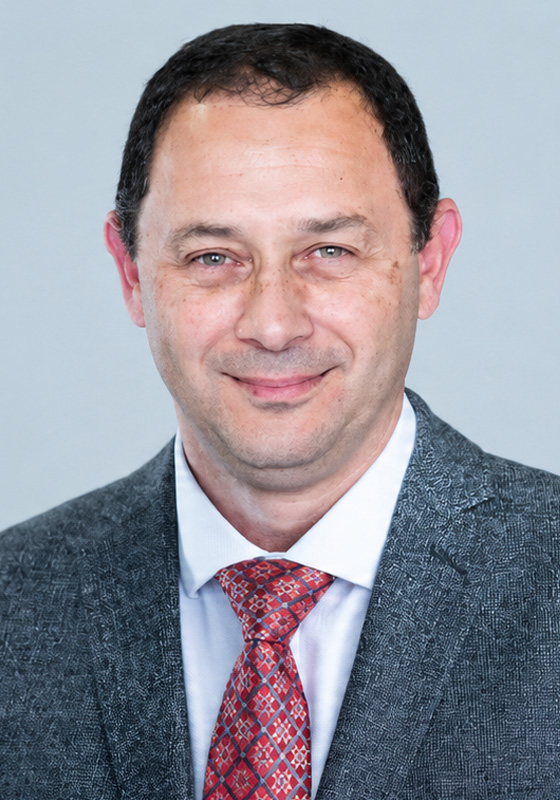
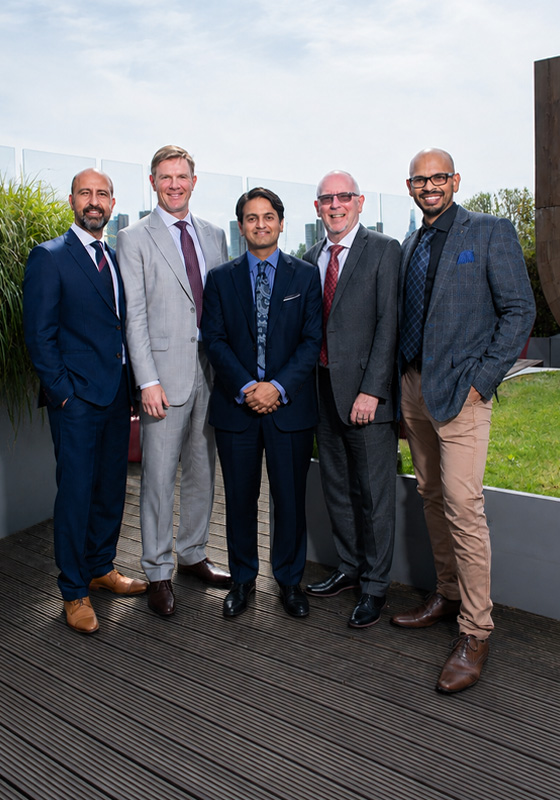
Behind every successful outcome is a dedicated team. Meet the clinical team whose expertise and compassion make LCU world-renowned.

Testimonials

We’re proud to have helped patients from across the UK and around the world. Their stories inspire the work we do every day.

Our Locations

Wherever you meet us, you’ll receive the same world-class expertise and compassionate care. Our surgeons work across some of London’s most respected hospitals and private clinics.

Our Locations - London Craniofacial Unit
Great Ormond Street Hospital - London Craniofacial UnitGreat Ormond Street Hospital - London Craniofacial Unit

Great Ormond Street Hospital (GOSH)

Professor David Dunaway and Owase Jeelani lead the world-renowned Craniofacial and Neurosurgery units at GOSH.
The Portland Hospital - London Craniofacial UnitThe Portland Hospital - London Craniofacial Unit

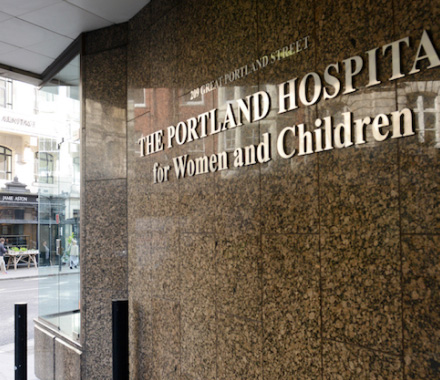
The Portland Hospital

The Portland is the UK’s largest private children’s hospital with a dedicated paediatric intensive care unit.
LCU - 84 Harley StreetLCU - 84 Harley Street

84 Harley Street

LCU take full advantage of this location to consult with patients in a relaxed environment.
LCU - 152 Harley StreetLCU - 152 Harley Street

152 Harley Street

Specialist consultations and advanced diagnostics in London’s leading medical district.
LCU - Weymouth Street HospitalLCU - Weymouth Street Hospital

Weymouth Street Hospital

LCU procedures are carried out at Weymouth Street Hospital’s advanced, patient-centred facilities.
LCU - The London ClinicLCU - The London Clinic

The London Clinic

The London Clinic is one of the UK’s leading private hospitals, located in central London near Harley Street.
LCU - The Wellington HospitalLCU - The Wellington Hospital

The Wellington Hospital

LCU performs their general anaesthesia adult plastic & reconstructive procedures here.

Download our brochure for more information

The home of LCU — a world-leading centre for complex Craniofacial and Reconstructive Surgery.