
LCU - Craniofacial Dermoid Cyst

craniofacial

Craniofacial Dermoid Cyst

LCU - Craniofacial Dermoid Cyst

What is a Craniofacial Dermoid Cyst?

A craniofacial dermoid cyst is a benign (non-cancerous) congenital growth that typically appears in the skin or just beneath the surface of the skin on the head or face. These cysts form during embryonic development when skin and other tissues become trapped along lines of fusion in the skull and facial bones. Common locations include the midline of the forehead, the eyebrow, around the nose, and the scalp. The cysts are typically slow-growing and filled with skin cells, hair follicles, and sebaceous (oil) glands. Although benign, they may increase in size over time and can become noticeable or symptomatic.


The Procedure

How is it Diagnosed?

Craniofacial dermoid cysts are often identified during infancy or early childhood due to a visible lump or swelling. Diagnosis is initially based on physical examination, where the cyst feels firm, smooth, and non-tender. In many cases, further imaging is required to assess the depth and extent of the cyst, especially to rule out any connection to deeper structures like the skull or brain. Common imaging techniques include ultrasound, CT scans, and MRI, particularly for cysts near the midline of the face or scalp where intracranial extension is a concern.

What Are the Causes?

These cysts are congenital, meaning they are present at birth. They result from embryologic development when skin cells and other tissues become trapped beneath the skin surface along the lines where different parts of the skull or face fuse together. They are not caused by trauma, infection, or environmental factors, and are usually sporadic, with no known genetic cause or inheritance pattern.

What Are the Implications?

Although craniofacial dermoid cysts are benign, they can lead to cosmetic concerns, especially if they grow or become more prominent over time. In some cases, the cysts may become infected, leading to redness, swelling, and pain. Rarely, a dermoid cyst may rupture, releasing its contents and causing an inflammatory response. If the cyst is located in areas where it may have deeper extensions—such as the midline forehead or nasal bridge—there is a potential risk of connection to the brain or intracranial structures, which could pose more serious health risks.

Additionally, untreated cysts may continue to enlarge and could erode surrounding bone or cause pressure effects on nearby structures. For these reasons, surgical evaluation and management are often recommended.

What Are the Treatment Options?

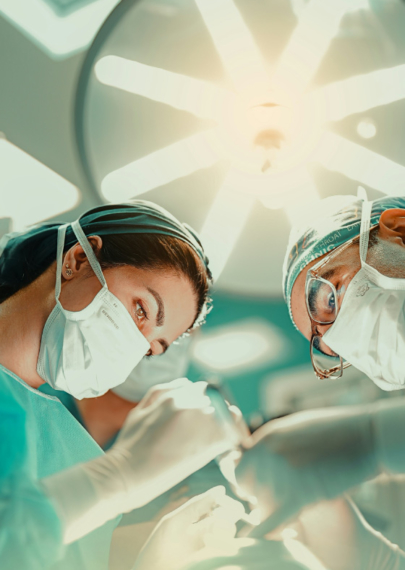
The standard treatment for craniofacial dermoid cysts is surgical removal. The procedure involves excising the cyst in its entirety to prevent recurrence. The timing of surgery depends on the cyst’s size, location, and risk of complications. In cases where the cyst is superficial and not connected to deeper structures, surgery can often be performed on an outpatient basis. For cysts with suspected intracranial involvement, neurosurgical collaboration may be required.

What Are the Possible Complications?

While surgical removal is generally safe and effective, there are potential complications, including:

  • Infection or bleeding
  • Scarring at the incision site
  • Damage to surrounding tissues
  • Incomplete removal leading to recurrence
  • Risks related to anesthesia

With proper evaluation and surgical care, most children with craniofacial dermoid cysts have excellent outcomes, with minimal scarring and a low risk of recurrence.

Meet the Surgeons - London Craniofacial Unit

Meet The Clinical Team

Behind every successful outcome is a dedicated team. Meet the clinical team whose expertise and compassion make LCU world-renowned.

Testimonials

We’re proud to have helped patients from across the UK and around the world. Their stories inspire the work we do every day.

Our Locations

Wherever you meet us, you’ll receive the same world-class expertise and compassionate care. Our surgeons work across some of London’s most respected hospitals and private clinics.

Our Locations - London Craniofacial Unit
Great Ormond Street Hospital - London Craniofacial UnitGreat Ormond Street Hospital - London Craniofacial Unit

Great Ormond Street Hospital (GOSH)

Professor David Dunaway and Owase Jeelani lead the world-renowned Craniofacial and Neurosurgery units at GOSH.
The Portland Hospital - London Craniofacial UnitThe Portland Hospital - London Craniofacial Unit

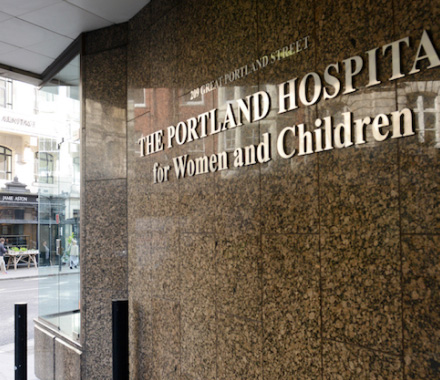
The Portland Hospital

The Portland is the UK’s largest private children’s hospital with a dedicated paediatric intensive care unit.
LCU - 84 Harley StreetLCU - 84 Harley Street

84 Harley Street

LCU take full advantage of this location to consult with patients in a relaxed environment.
LCU - 152 Harley StreetLCU - 152 Harley Street

152 Harley Street

Specialist consultations and advanced diagnostics in London’s leading medical district.
LCU - Weymouth Street HospitalLCU - Weymouth Street Hospital

Weymouth Street Hospital

LCU procedures are carried out at Weymouth Street Hospital’s advanced, patient-centred facilities.
LCU - The London ClinicLCU - The London Clinic

The London Clinic

The London Clinic is one of the UK’s leading private hospitals, located in central London near Harley Street.
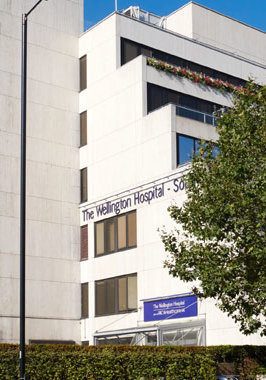
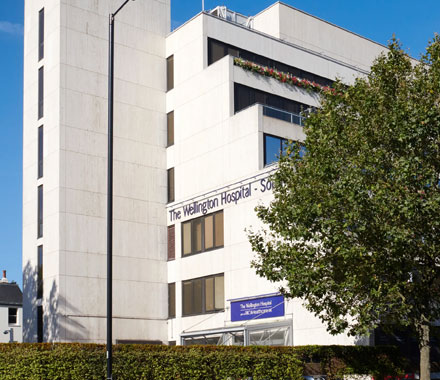
LCU - The Wellington HospitalLCU - The Wellington Hospital

The Wellington Hospital

LCU performs their general anaesthesia adult plastic & reconstructive procedures here.

Download our brochure for more information

The home of LCU — a world-leading centre for complex Craniofacial and Reconstructive Surgery.