LCU - Craniofacial Neurofibromatosis

craniofacial

Craniofacial Neurofibromatosis

LCU - Craniofacial Neurofibromatosis

What is Craniofacial Neurofibromatosis?

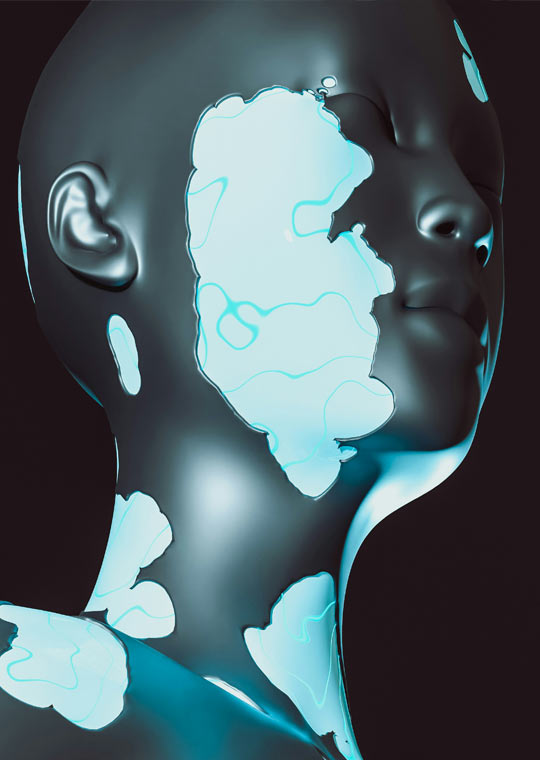
Complex craniofacial neurofibromatosis is a manifestation of neurofibromatosis type 1 (NF1), a genetic disorder characterized by the growth of benign tumours called neurofibromas along nerves in the skin, brain, and other parts of the body. When these tumours develop in the craniofacial region, they can lead to significant deformities and functional impairments involving the face, skull, and associated nerves. This condition often includes plexiform neurofibromas, which are deep-seated, infiltrative tumours that can grow aggressively and cause disfigurement, bone erosion, and pressure on nearby structures.
The Procedure

How is it Diagnosed?

Diagnosis of complex craniofacial neurofibromatosis usually begins with the recognition of clinical features associated with NF1, such as café-au-lait spots, Lisch nodules (iris hamartomas), freckling in the underarms or groin, and a family history of the disorder. Diagnosis is typically confirmed through clinical criteria established by the National Institutes of Health (NIH). Imaging studies such as MRI and CT scans are used to assess the extent of neurofibroma involvement in craniofacial structures, evaluate bone abnormalities, and monitor tumour growth. Genetic testing for mutations in the NF1 gene on chromosome 17 can provide definitive confirmation.

What Are the Causes?

Complex craniofacial neurofibromatosis is caused by mutations in the NF1 gene, which encodes a protein called neurofibromin. This protein normally functions as a tumour suppressor by regulating cell growth. When mutated, the gene fails to properly control cell proliferation, leading to the development of neurofibromas. The condition is inherited in an autosomal dominant pattern, meaning a child has a 50% chance of inheriting the disorder if one parent is affected. However, up to half of NF1 cases arise from new (sporadic) mutations with no family history.

What Are the Implications?

The implications of complex craniofacial neurofibromatosis are diverse and can be severe. They include:

  • Disfigurement due to large or multiple tumours on the face or scalp
  • Bone deformities, such as sphenoid wing dysplasia and orbital anomalies
  • Vision problems, including optic gliomas
  • Airway obstruction or feeding difficulties if tumours impinge on vital structures
  • Chronic pain and discomfort
  • Emotional and psychosocial challenges, particularly due to visible facial differences
  • Risk of malignant transformation into malignant peripheral nerve sheath tumors (MPNSTs), though rare

These challenges can affect a child’s development, self-esteem, and quality of life, requiring long-term medical and psychological support.

What Are the Treatment Options?

There is no cure for NF1, and treatment focuses on managing symptoms and complications. Management of complex craniofacial involvement includes:

  • Surgical intervention: Surgery may be necessary to debulk or remove tumours that cause pain, functional issues, or significant disfigurement. However, surgery can be complex due to the infiltrative nature of plexiform neurofibromas and the risk of recurrence.
  • Medical therapy: MEK inhibitors, such as selumetinib, have shown promise in shrinking plexiform neurofibromas in children and are now FDA-approved for specific cases.
  • Monitoring and surveillance: Regular imaging and clinical evaluations are essential to monitor tumour growth and detect complications early.
  • Multidisciplinary care: Management often involves neurosurgeons, plastic surgeons, ophthalmologists, oncologists, and psychologists.
  • Supportive care: This includes pain management, vision correction, psychological support, and speech or occupational therapy as needed.

With vigilant care and emerging treatments, many individuals with complex craniofacial neurofibromatosis can maintain functional independence and improved quality of life.

LCU - Meet The Clinical Team

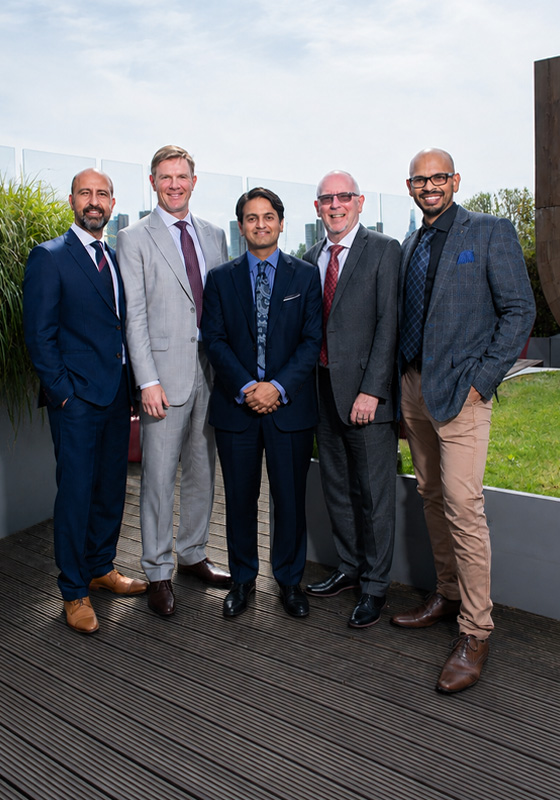
Meet The Clinical Team

Behind every successful outcome is a dedicated team. Meet the clinical team whose expertise and compassion make LCU world-renowned.

Testimonials

We’re proud to have helped patients from across the UK and around the world. Their stories inspire the work we do every day.

Our Locations

Wherever you meet us, you’ll receive the same world-class expertise and compassionate care. Our surgeons work across some of London’s most respected hospitals and private clinics.

Our Locations - London Craniofacial Unit
Great Ormond Street Hospital - London Craniofacial UnitGreat Ormond Street Hospital - London Craniofacial Unit

Great Ormond Street Hospital (GOSH)

Professor David Dunaway and Owase Jeelani lead the world-renowned Craniofacial and Neurosurgery units at GOSH.
The Portland Hospital - London Craniofacial UnitThe Portland Hospital - London Craniofacial Unit

The Portland Hospital

The Portland is the UK’s largest private children’s hospital with a dedicated paediatric intensive care unit.
LCU - 84 Harley StreetLCU - 84 Harley Street

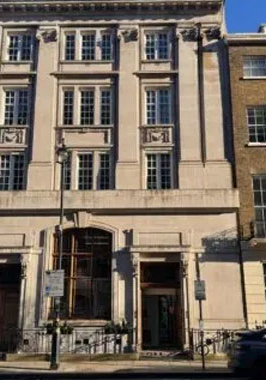
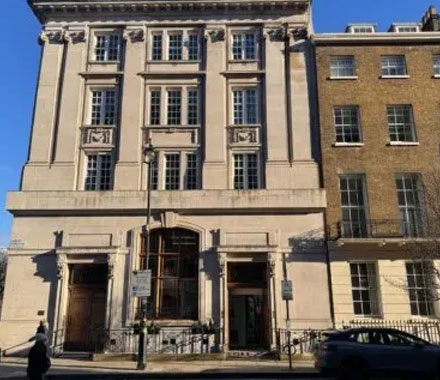
84 Harley Street

LCU take full advantage of this location to consult with patients in a relaxed environment.
LCU - 152 Harley StreetLCU - 152 Harley Street

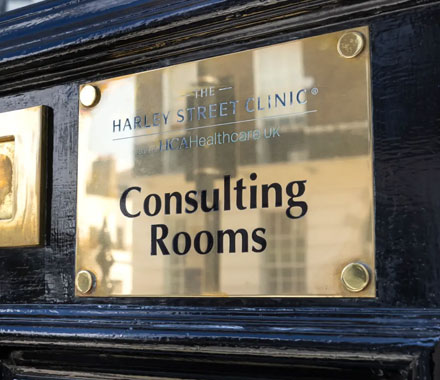
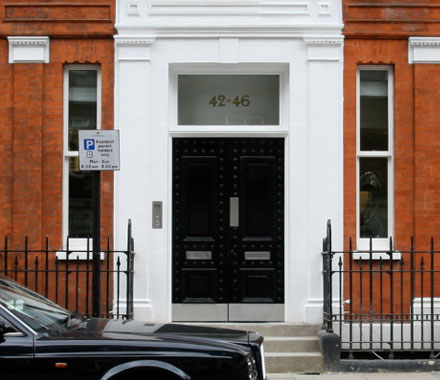
152 Harley Street

Specialist consultations and advanced diagnostics in London’s leading medical district.
LCU - Weymouth Street HospitalLCU - Weymouth Street Hospital

Weymouth Street Hospital

LCU procedures are carried out at Weymouth Street Hospital’s advanced, patient-centred facilities.
LCU - The London ClinicLCU - The London Clinic

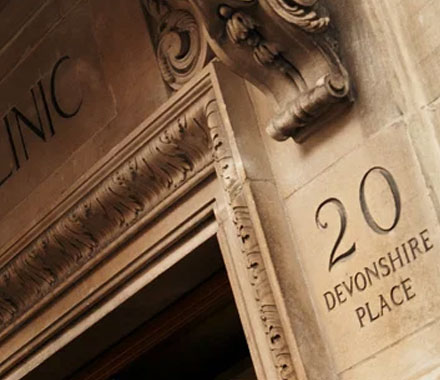
The London Clinic

The London Clinic is one of the UK’s leading private hospitals, located in central London near Harley Street.
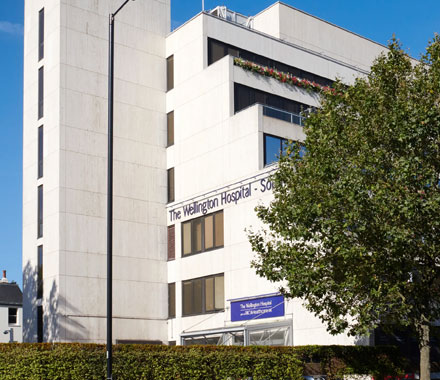
LCU - The Wellington HospitalLCU - The Wellington Hospital

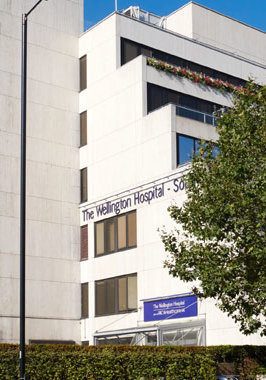
The Wellington Hospital

LCU performs their general anaesthesia adult plastic & reconstructive procedures here.

Download our brochure for more information

The home of LCU — a world-leading centre for complex Craniofacial and Reconstructive Surgery.