Blepharoplasty, commonly known as eyelid surgery, is a procedure designed to refresh and restore the appearance of the eyes. The eye area is often one of the first places to show signs of ageing, with excess skin, puffiness, or heaviness creating a tired or aged appearance. Eyelid surgery can rejuvenate the upper and/or lower eyelids while maintaining natural expression, helping patients look more rested and alert rather than altered.

aesthetic
Eyelids (Blepharoplasty)

The Procedure
What Is Blepharoplasty?
Blepharoplasty is a surgical procedure that improves the appearance and function of the upper and/or lower eyelids by removing or repositioning excess skin, fat, and muscle. In some cases, the procedure can also improve vision if drooping upper eyelid skin obstructs the visual field.
Blepharoplasty may help address:
- Heavy or drooping upper eyelids
- Excess eyelid skin affecting vision
- Under-eye bags or puffiness
- Crepey or loose lower eyelid skin
- A tired or aged appearance around the eyes
Treatment is tailored to the individual’s anatomy, skin quality, and aesthetic goals.
Common Procedures
Blepharoplasty may involve one or more techniques, including:
- Upper Eyelid Blepharoplasty
• Removes or repositions excess skin
• Reduces eyelid heaviness
• Can improve visual obstruction - Lower Eyelid Blepharoplasty
• Reduces under-eye bags or puffiness
• Smooths the transition between eyelid and cheek
• Can be performed through internal or external incisions - Transconjunctival Blepharoplasty
• Accesses lower eyelid fat from inside the eyelid
• Leaves no external scar
• Suitable for patients without excess skin - Fat Repositioning or Fat Grafting
• Redistributes or restores volume
• Reduces hollowing and dark shadows
Who Is a Good Candidate?
You may be a good candidate for blepharoplasty if:
- Your eyes look tired, heavy, or aged
- You have drooping eyelid skin or under-eye bags
- Your vision is affected by excess upper eyelid skin
- You are in good general health
- You have realistic expectations
Age alone is not a deciding factor; eyelid anatomy and skin quality are more important.
Consultation Process
The consultation is personalised and detailed, focusing on both appearance and function. It includes:
- Discussion of concerns and goals
- Examination of eyelid anatomy, skin quality, and eye position
- Assessment of vision and eye health where appropriate
- Review of medical history and medications
- Clinical photography and treatment planning
- Clear explanation of procedure options, recovery, and risks
Recovery and Downtime
Recovery varies depending on the extent of surgery but generally includes:
- Swelling and bruising for 1–2 weeks
- Stitches (if used) removed within 5–7 days
- Most patients return to work or social activities within 10–14 days
- Temporary tightness, dryness, or sensitivity of the eyes
- Gradual improvement as healing progresses
Risks and Benefits
Benefits include:
- Brighter, more rested appearance
- Improved eyelid definition
- Reduction of under-eye bags or heaviness
- Possible improvement in vision
- Natural-looking, long-lasting results
Risks may include:
- Swelling and bruising
- Infection or bleeding
- Dry eyes or irritation
- Asymmetry or scarring
- Rarely, eyelid position issues or need for revision surgery
- General anaesthetic risks
Careful surgical planning and experienced care help minimise risks.
Results and Longevity
Blepharoplasty results are long-lasting and often transformative. While the ageing process continues, improvements to eyelid contour and definition typically last many years. Final results become clearer as swelling resolves, often over several months. Good skincare, sun protection, and healthy habits help maintain results over time.
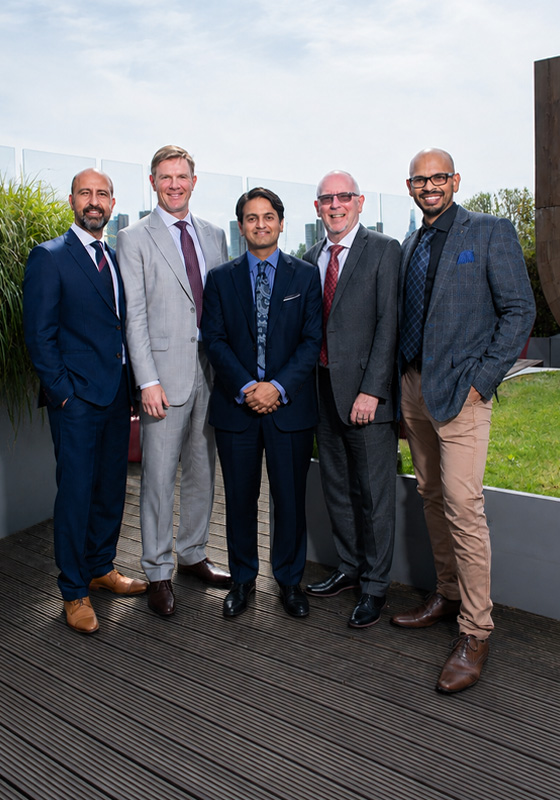
Meet The Clinical Team
Behind every successful outcome is a dedicated team. Meet the clinical team whose expertise and compassion make LCU world-renowned.
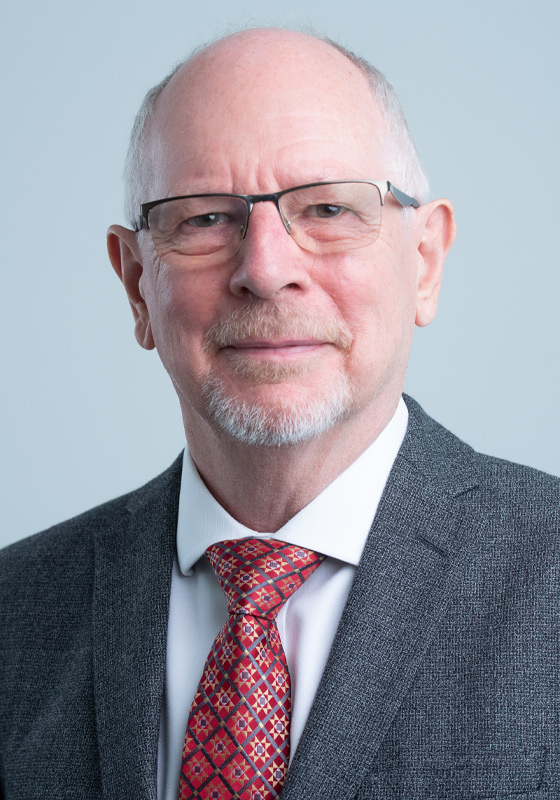
Plastic & Craniofacial Surgeon
Professor David Dunaway
Bringing decades of experience in complex Craniofacial and reconstructive surgery.
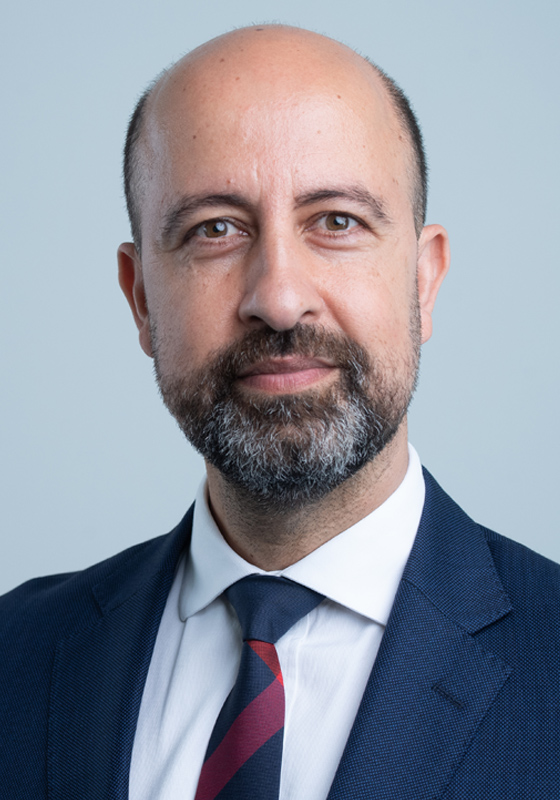
Consultant Paediatric Neurosurgeon
Professor Owase Jeelani
Professor Owase Jeelani is a Consultant Paediatric Neurosurgeon and has worked at Great Ormand Street Hospital for Children (GOSH) part...
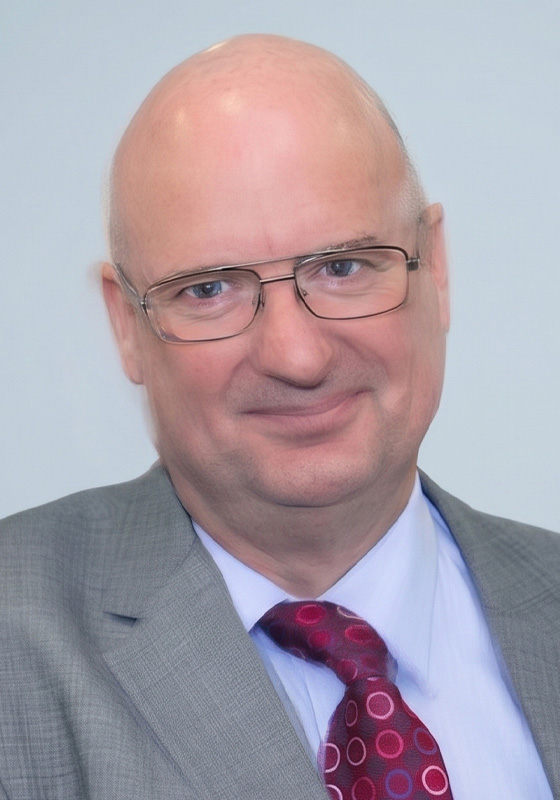
Senior Consultant
Mr Tim Lloyd
Mr Lloyd is the Senior Consultant Craniofacial, Oral and Maxillofacial surgeon at the Eastman Dental Hospital and was appointed at...
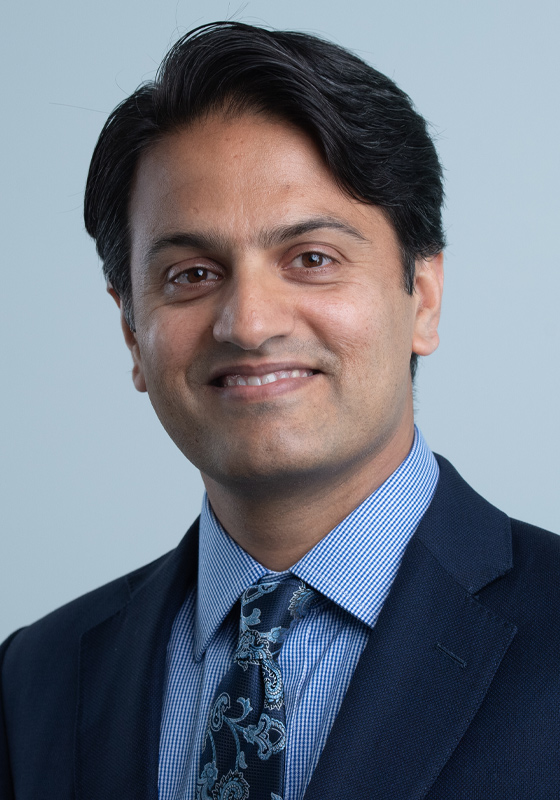
Consultant Paediatric Neurosurgeon
Mr Zubair Tahir
Mr Zubair Tahir is an experienced Consultant Paediatric Neurosurgeon, who is passionate about delivering the highest quality care to all...
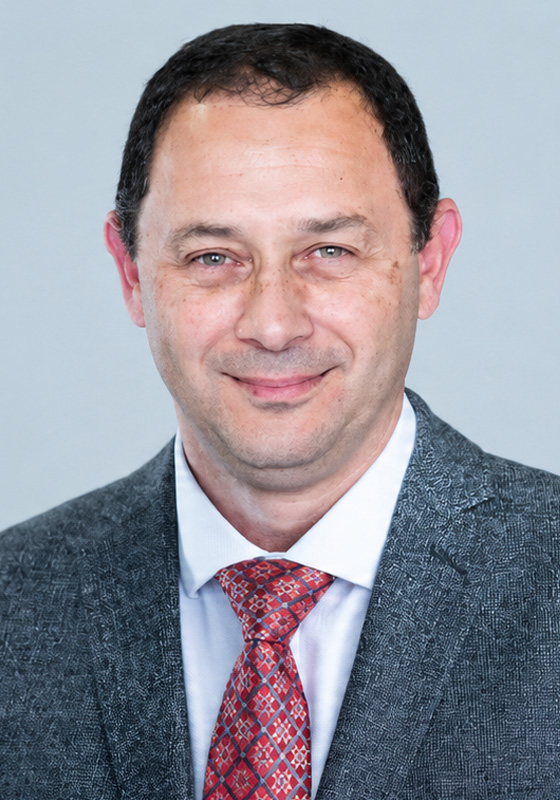
Surgical Lead in Neuro-Oncology
Mr Kristian Aquilina
Mr Kristian Aquilina is the surgical lead for the neuro-oncology department at Great Ormond Street Hospital for Children since 2012....
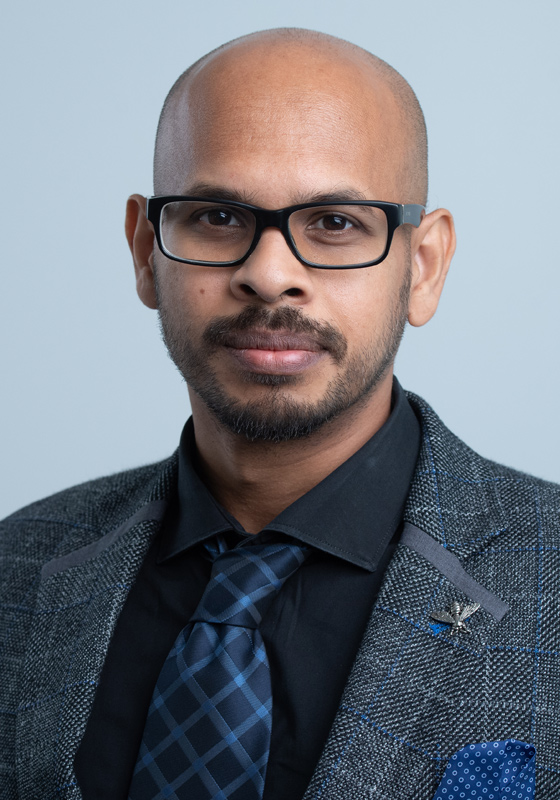
Consultant Paediatric Neurosurgeon
Mr Dulanka Silva
Mr Dulanka Silva is a Consultant Paediatric Neurosurgeon at Great Ormond Street Hospital for Children. In addition to General Paediatric...
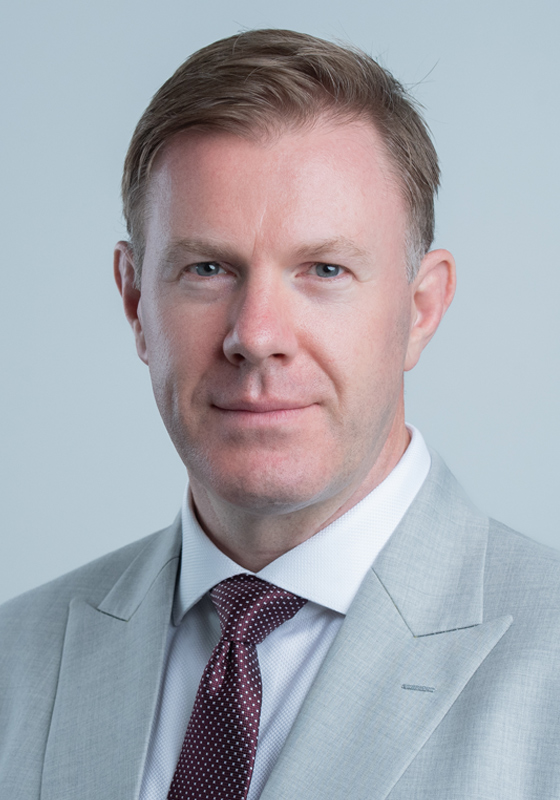
Consultant Plastic, Craniofacial & Aesthetic Surgeon
Mr Graeme Glass
Graeme Glass PhD, FRCS(Plast) MBA is a London trained, internationally respected consultant plastic, craniofacial and aesthetic surgeon.
Consultant Psychiatrist
Dr Justin Shute
Dr Justin Shute is a Consultant Liaison Psychiatrist with over 20 years of experience working within Orthognathic and Craniofacial teams....
Related Treatments
LCU provides precision lead procedures for a wide range of conditions — please view a sample of our expertise.
aesthetic
Face Rejuvenation
Facial rejuvenation is designed to help you look refreshed, rested, and more like yourself — not changed.

aesthetic
Face Shape Change
Facial shape surgery focuses on improving balance, proportion, and harmony between facial features.
aesthetic
Nose (Rhinoplasty)
Rhinoplasty, commonly referred to as nose surgery, is a procedure designed to improve the shape, balance, and function of the...